The traditional salon visit used to rely heavily on guesswork, a handful of glossy magazines, and a stylist interpreting vague descriptions. Today, high-tech tools are reshaping every single step of the hairdressing experience. From artificial intelligence that maps your face shape to ultrasonic styling irons that protect hair integrity, the entire craft is undergoing a massive shift.
Understanding how these digital and physical innovations work helps you get better results in the chair, whether you manage a shop or just want a sharper fade. Here is a breakdown of how modern technology is changing the way we get haircuts.
AI and Augmented Reality Consultations
Miscommunication between clients and stylists causes thousands of bad haircuts every year. You ask for a trim and lose three inches, or you request a specific shade of blonde and walk out with brassy highlights. Augmented reality (AR) and artificial intelligence (AI) apps fix this exact friction point.
Salons now use software platforms that scan a client's facial geometry, hair density, and skin tone. These programs allow you to test out dozens of cuts and colors virtually before the first snip happens.
- Predictive Simulation: You see a 3D rendering of how a fringe or an undercut will look from multiple angles.
- Expectation Management: Stylists use these visual aids to show why certain textures won't hold specific styles, saving time and frustration.
- Formula Customization: Advanced color-mixing devices analyze hair history to dispense precise quantities of dye, reducing chemical waste and guaranteeing color consistency.
Smart Styling and Precision Hardware
The physical tools of the trade have evolved past standard metal shears and basic blow dryers. Modern grooming hardware relies on integrated sensors and digital motors to optimize results.
Next-generation hair dryers use high-velocity digital motors that cut drying time in half while monitoring heat output to prevent thermal damage. Similarly, smart flat irons and curling wands read moisture levels in real time, automatically adjusting their temperature hundreds of times per second.
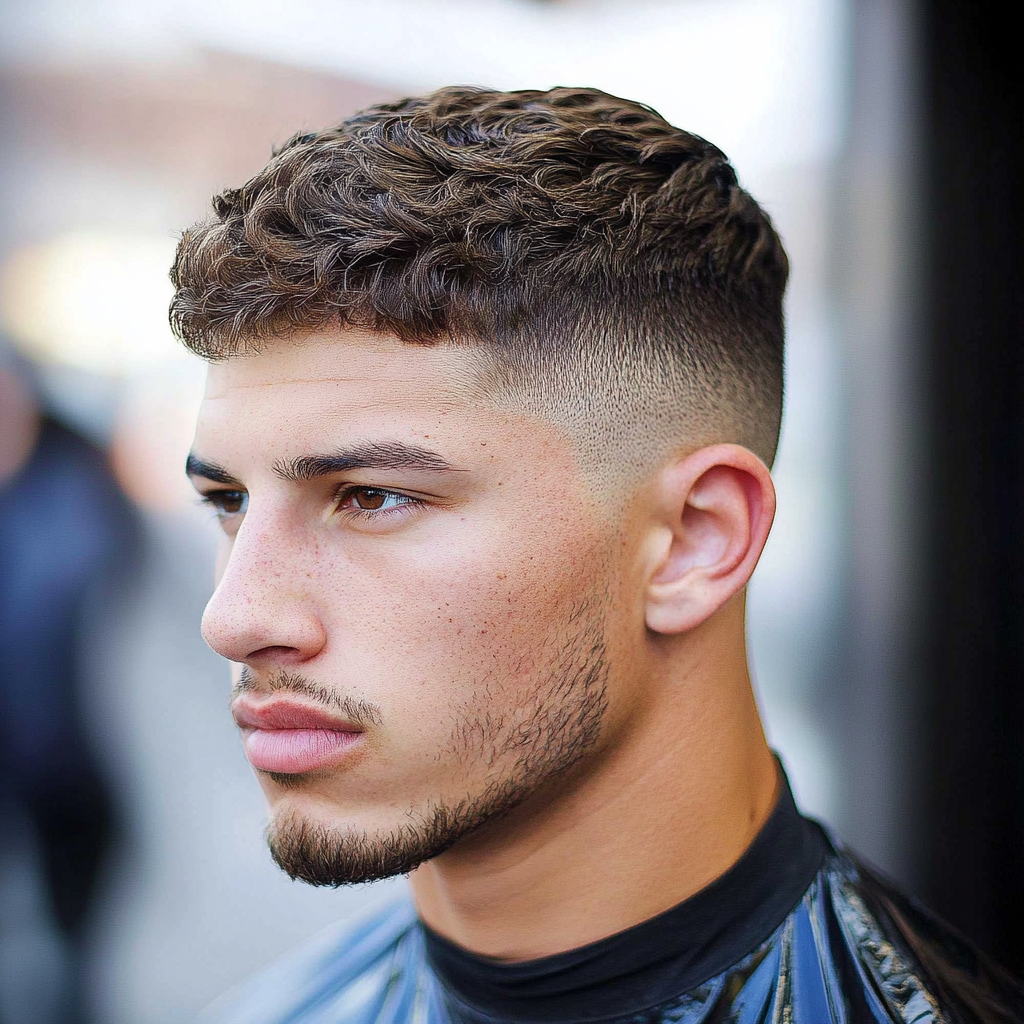
For barbers working with tight fades and intricate geometric cuts, cordless clippers with high-capacity lithium-ion batteries provide consistent torque without the restriction of cords. These hardware updates mean cleaner lines, faster execution, and less physical strain on the stylist over long shifts.
Scalp Diagnostics and Personal Care
Hair health starts at the root, yet traditional visual inspections often miss underlying scalp conditions. High-tech digital scalp analyzers equipped with micro-cameras provide magnified views of the scalp surface.
These devices identify hidden issues like micro-inflammation, clogged follicles, uneven sebum production, and early thinning. Armed with concrete data from a diagnostic screen, stylists can recommend targeted treatments, specialized serums, or specific shampoos rather than guessing off-the-shelf products.
Streamlined Operations and Booking Management
The tech revolution isn't just happening at the styling station; it runs the entire business behind the scenes. Automated booking apps, digital deposits, and CRM software have largely replaced the paper appointment book.
- Reduced No-Shows: Integrated payment platforms require card details or deposits at booking, which protects stylists from lost income.
- Automated Reminders: SMS and email integrations ensure clients remember their slots, cutting down empty chair time.
- Inventory Tracking: Smart management suites track product stock automatically, alerting managers when backbar supplies or retail shelves run low.
You can explore more about how structured digital booking platforms optimize service flows through industry leaders like Fresha. To understand the broader shift toward high-end salon education and systematic cutting techniques, look at professional academies like the Fade Game Course.
Common Pitfalls in Salon Tech Adoption
While technology brings clear advantages, adopting it blindly creates new problems. Salons and clients often run into a few predictable traps:
- Over-Reliance on Gadgets: Some shops treat tech as a gimmick, relying on fancy screens instead of foundational cutting skills.
- Data Privacy Concerns: Facial-mapping apps collect biometric data, which requires transparent consent policies from salons.
- Analysis Paralysis: Giving clients too many digital options during a consultation can overwhelm them, making it harder to commit to a style.
Technology should always serve as an assistant to human creativity, not a replacement for the hands-on artistry of an experienced stylist.
Frequently Asked Questions
Can AR apps accurately predict my hair type response?
AR apps excel at showing color and length changes, but they cannot simulate how your specific curl pattern or cowlicks will react to a physical cut. A skilled stylist remains necessary to adapt the digital preview to your physical hair reality.
Do smart styling tools completely eliminate heat damage?
No tool can completely eliminate heat damage if used incorrectly. Smart irons and dryers reduce risk by regulating temperature based on moisture feedback, but using a thermal protectant spray is still essential.
How do digital color mixers save money?
Traditional manual mixing often leads to excess product waste left in bowls. Automated color dispensers measure down to the gram based on hair length and density, ensuring exact amounts are prepared with zero leftovers.
Are scalp analyzers worth the extra consultation time?
Yes, for clients dealing with persistent dandruff, hair thinning, or sensitive skin. Scalp analyzers remove guesswork by showing exact root conditions, allowing for targeted treatments that deliver visible improvements.