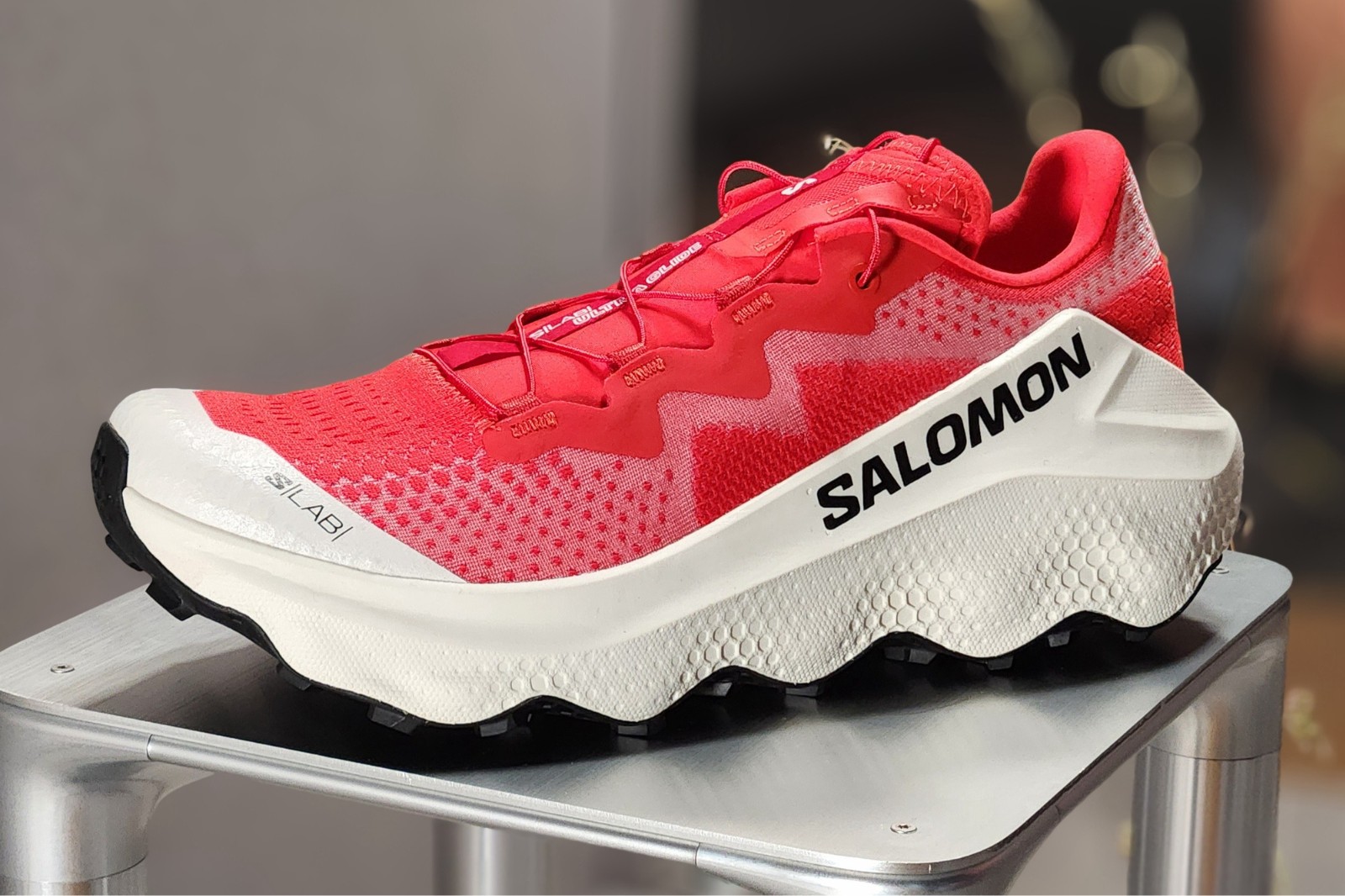
Salomon has built a massive footprint across mountain trails and urban streets alike, but buying a pair requires looking past the hype. Whether you're eyeing their technical trail runners or their fashion-forward lifestyle crossovers, understanding how they actually perform under pressure helps you avoid buyer's remorse.
The short answer is yes, Salomon is a high-performing footwear brand, but their utility depends entirely on your specific activity. They excel at providing aggressive traction, immediate out-of-the-box comfort, and precise structural support. However, long-term durability can vary wildly depending on whether you're logging miles on jagged granite or wearing them casually on pavement.
Understanding the Salomon Lineup
Salomon splits its catalog into distinct categories, and buying the wrong model for your activity is the primary reason customers end up disappointed.
Trail Running and Hiking
Models like the Speedcross and the XA Pro line are engineered for technical terrain. They feature deep rubber lugs, rigid chassis systems, and weather-resistant membranes. If you run on loose dirt, mud, and steep alpine inclines, these shoes offer unmatched footing. For another look on this development, check out the latest update from Reuters.
Sportstyle and Streetwear
The XT-6 and XT-4 models originated as elite endurance racing shoes before migrating into high-fashion streetwear. They retain technical lacing systems and supportive midsoles, making them comfortable daily walkers, though they aren't optimized for heavy technical hiking.
The Core Advantages of Salomon Shoes
When people fall in love with the brand, it usually comes down to three specific engineering choices that set them apart from standard athletic sneakers.
- The Quicklace System: A minimalist Kevlar lace pull allows you to tighten or loosen the shoe with a single motion, tucking the excess neatly into a tongue pocket. It prevents laces from untying mid-activity.
- Contagrip Outsoles: Salomon uses proprietary rubber compounds tailored to specific surfaces. Wet rock, dry gravel, and sloppy mud all have designated lug patterns designed to bite into the ground.
- Precise Foot Wrapping: Unlike roomy running brands, Salomon typically builds shoes with a snug, narrower last. This locks the midfoot in place, preventing your foot from sliding forward on steep descents.
Common Shortcomings and Frustrations
No brand is perfect, and Salomon faces frequent criticisms regarding real-world durability and fit. Knowing these drawbacks beforehand lets you inspect your gear early and protect your investment.
Rapid Tread Wear on Pavement
Salomon designs its soft rubber compounds for maximum grip on natural dirt and rock. If you wear aggressive trail runners like the Speedcross on asphalt or concrete, the soft lugs wear down rapidly. What lasts a year on dirt might wear flat in three months of daily city walking.
Narrow Fit Profiles
If you have wide feet, traditional Salomon models will likely pinch your pinky toes or cause arch compression. While they offer wide variants in select hiking models, their sportstyle line remains notoriously slim.
Upper Material Stress Points
The lightweight mesh and welded overlays that make these shoes breathable can occasionally experience premature wear along high-flex zones near the forefoot. Keeping them clean and treating high-friction areas with preventative shoe care extends their lifespan significantly.
How to Choose the Right Pair
Selecting the right model prevents unnecessary foot fatigue and saves money over time.
- Assess your terrain: Pick dedicated trail runners if you spend 80 percent of your time off-road. Choose lifestyle or hybrid models if you want comfort for urban commuting and light walking.
- Check the weather rating: Look for Gore-Tex variants if you frequently hike in wet, cold environments. Stick to standard breathable mesh versions for hot weather to avoid trapping sweat.
- Size up appropriately: Due to the narrow European last shape and snug athletic fit, many buyers find that going up a half size provides a much more comfortable experience, especially on long outings.
Frequently Asked Questions
Are Salomon shoes waterproof?
Only specific models featuring a Gore-Tex or proprietary waterproof membrane keep water out completely. Standard models use breathable mesh that dries quickly but will let water through in heavy rain or deep puddles.
Can I wear trail running shoes for everyday walking?
You can, but the soft rubber outsoles and aggressive lugs will wear out much faster on hard pavement than they would on soft dirt trails.
What makes the Quicklace system unique?
It replaces traditional fabric laces with a high-tensile aramid cord and a barrel lock, allowing for rapid adjustments that won't loosen or catch on brush while you move.
Are Salomon shoes good for wide feet?
Standard models generally feature a narrow, snug fit. If you have wider feet, you should look specifically for models offered in wide sizes or consider alternative brands with naturally broader toe boxes.