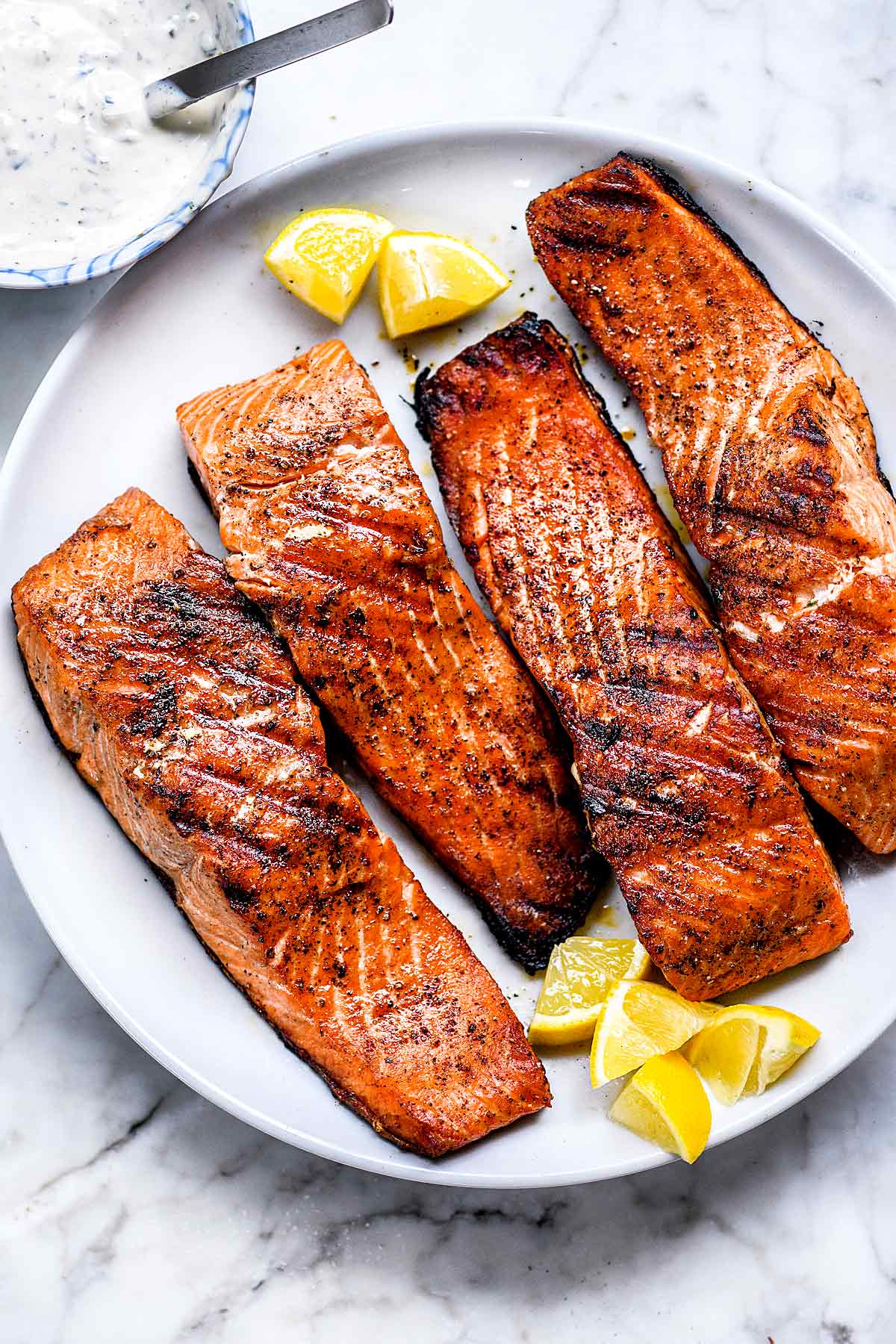
When you order grilled salmon or prep a fillet at home, you probably face a choice: eat the crispy outer layer or leave it on the plate. Many home cooks toss it out without a second thought, assuming it's just a fatty barrier. It's actually a concentrated source of essential nutrients that can upgrade your meal if prepared correctly.
Eating salmon skin gives you a heavy dose of healthy fats, protein, and trace minerals like selenium. Yet, you also have to weigh potential contaminants like mercury or PCBs, depending on whether the fish swam in the wild or came from a fish farm. Let's look at what science says about this crunchy culinary bonus so you can decide whether to keep it on your plate.
The Nutritional Profile of Salmon Skin
Gram for gram, the skin packs a denser punch of vitamins and minerals than the pink flesh underneath. When you eat it, you're consuming a natural shield that protected the fish throughout its lifecycle.
- Omega-3 Fatty Acids: The skin holds a high concentration of EPA and DHA, the healthy fats responsible for reducing systemic inflammation and supporting cardiovascular health.
- Marine Collagen: The dermal layer consists largely of collagen peptides, which support joint function and skin elasticity.
- Vitamins and Minerals: You'll get significant amounts of vitamin D, vitamin B12, niacin, and minerals like iron, phosphorus, and selenium.
Harvard T.H. Chan School of Public Health notes that regular intake of fatty fish and its nutrient-dense parts supports long-term cognitive and heart health. You don't need a massive portion to reap these rewards; even a standard fillet with the skin intact adds meaningful nutritional value to your diet.
Wild vs. Farmed: Does Origin Matter?
Not all fish skin carries the same profile. Where your salmon lived and what it ate changes what ends up on your plate.
Wild salmon swim vast distances and eat a natural diet of smaller fish, krill, and shrimp. This diet yields a favorable ratio of omega-3 to omega-6 fatty acids. However, wild fish can accumulate environmental pollutants like heavy metals over a long lifespan.
Farmed salmon live in enclosed pens and eat manufactured feed pellets. Because of their diet, farmed variants often contain higher total fat content and sometimes higher levels of persistent organic pollutants (POPs) stored directly in the fatty layers, including the skin.
Government food safety agencies monitor these contaminant levels closely. The U.S. Food and Drug Administration provides guidelines on commercial seafood consumption, noting that the health benefits of eating fish typically outweigh the risks of contaminant exposure for most adults. If you want to minimize exposure, you can alternate between wild-caught varieties and responsibly sourced farmed options.
Common Mistakes When Cooking Salmon Skin
If you've ever bitten into rubbery, soggy salmon skin, you know why some people dislike it. Texture is everything, and poor cooking techniques ruin both the flavor and the experience.
- Starting with wet skin: Moisture is the enemy of crispiness. Always pat the fillet completely dry with paper towels before seasoning or cooking.
- Skipping pre-heat: Tossing fish into a cold pan guarantees sticking and tearing. Let your skillet or oven reach the target temperature before the fish goes in.
- Overcrowding the pan: Putting too many fillets in a skillet drops the temperature and traps steam, turning your crispy skin into a soft, chewy layer.
- Flipping too early: Let the skin sear undisturbed for the majority of the cooking time. It releases naturally from the pan once a crisp crust forms.
How to Prepare Crispy Salmon Skin at Home
Getting the texture right transforms the skin from an afterthought into the best part of the meal. Pan-searing remains the fastest and most reliable method for home kitchens.
- Rinse your salmon fillet under cold water and pat it completely dry using clean paper towels.
- Season the flesh side and skin with kosher salt, black pepper, and any preferred spices.
- Place a heavy cast-iron skillet over medium-high heat and add a tablespoon of high-smoke-point oil like avocado or grapeseed.
- Lay the salmon skin-side down in the hot pan, pressing down gently for the first ten seconds to prevent curling.
- Reduce heat to medium and cook undisturbed for 6 to 8 minutes until the skin turns golden-brown and crispy.
- Flip the fillet for the final minute of cooking to finish the flesh side, then transfer it to a plate.
Frequently Asked Questions
Can you eat salmon skin raw?
Eating raw salmon skin is not recommended. Raw fish skin can harbor harmful bacteria like Vibrio or parasites. Always cook salmon thoroughly until the internal temperature reaches 63°C (145°F) to ensure safety.
Does salmon skin cause high cholesterol?
No. The fats found in salmon skin are predominantly monounsaturated and polyunsaturated fats, including healthy omega-3s. These fats help maintain a healthy lipid profile rather than clogging arteries.
Is the scales on salmon skin edible?
Commercial salmon fillets sold in grocery stores are usually scaled before packaging. If you buy whole fish from a market, make sure to descale the skin thoroughly before cooking, as scales create a gritty, unpleasant texture.
Should pregnant women eat salmon skin?
Pregnant women benefit greatly from the omega-3 fatty acids in salmon, but health authorities advise limiting overall intake of certain large predatory fish and monitoring total portions of fatty layers where environmental contaminants can concentrate. Stating within recommended guidelines—typically two to three servings per week—keeps risks minimal while delivering essential prenatal nutrients.


