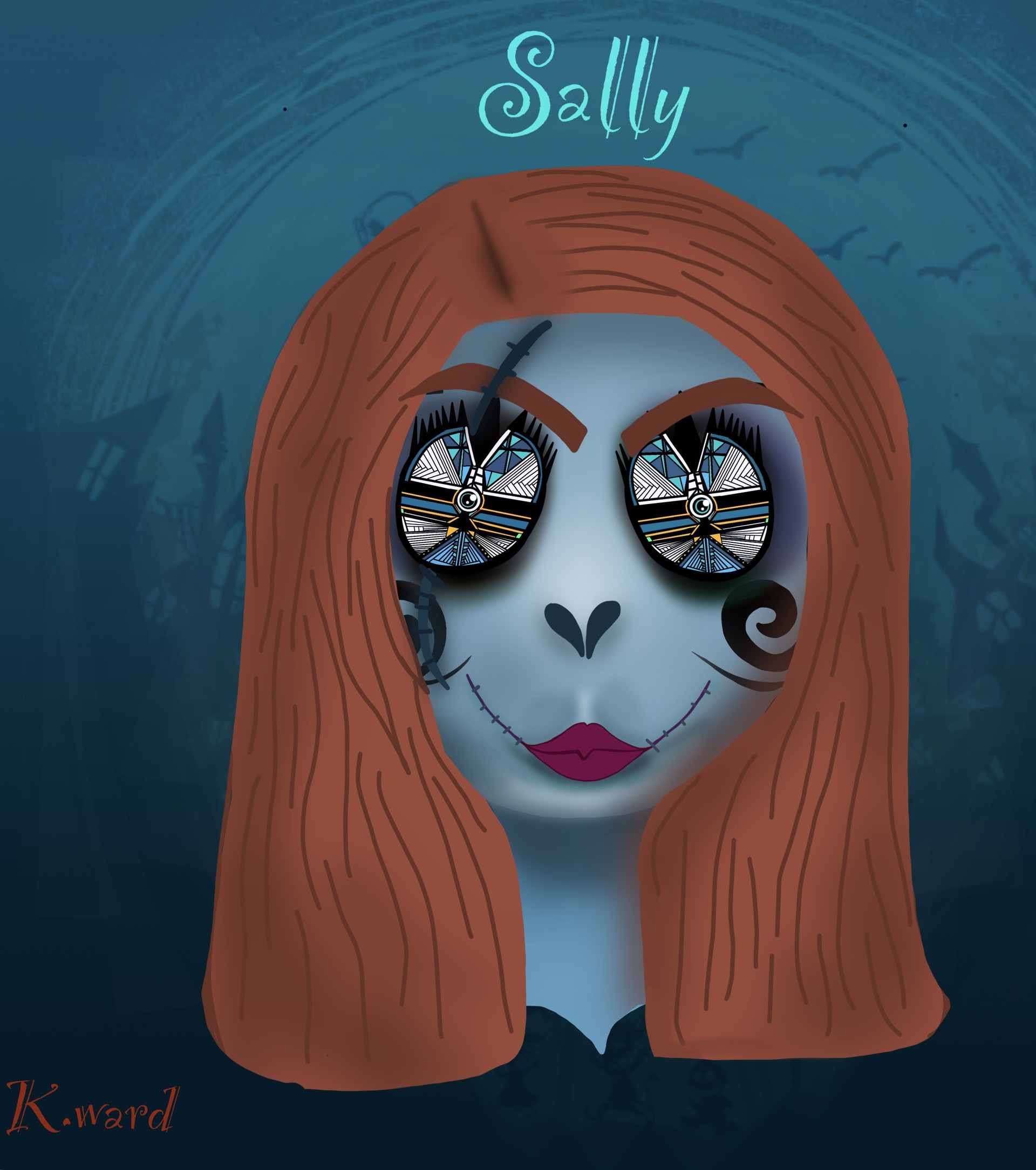
The Sally Skellington costume from The Nightmare Before Christmas remains one of the most recognizable and enduring outfits in stop-motion animation history. Unlike standard seasonal garments, Sally’s patched-together dress is a masterclass in character storytelling, using asymmetrical patterns, mismatched textiles, and exposed stitching to visually communicate her resilience, resourcefulness, and gentle spirit.
Far from a simple Halloween party dress, the iconic patchwork aesthetic represents a meticulous blend of gothic charm and handcrafted artistry. Whether you're looking to build an accurate replica for a convention or studying the mechanics of character-driven costume design, understanding the structural anatomy of Sally's look requires examining its distinct color theory, fabric selection, and assembly techniques.
Anatomy of the Patchwork Dress
The defining feature of the Sally Skellington costume is its multi-patterned dress. The garment consists of various distinct fabric patches sewn together to give the impression that Sally constructed her own clothing out of spare materials.
To replicate or analyze this layout accurately, you need to map out the individual panels:
- The Color Palette: The dress typically utilizes a balanced mix of muted jewel tones, including faded teal, pale pink, mustard yellow, and soft purple, anchored by darker houndstooth or plaid geometric prints.
- Asymmetrical Layout: There is no uniform symmetry on the dress. Different floral, striped, and polka-dot swatches alternate unpredictably across the bodice and skirt.
- Simulated Stitching: The heavy, oversized cross-stitches binding the patches together are just as important as the fabric itself. In professional cosplay and authentic costume design, these stitches are often rendered with thick black embroidery floss or fabric paint to make them pop on camera.
Getting the proportions right is essential. If the patches are too large, the dress loses its delicate, ragdoll charm. If they're too small, the pattern becomes visually cluttered and muddies the iconic silhouette.
Fabric Selection and Texture Contrast
Translating a stop-motion puppet's felt and fabric texture into a wearable human garment requires careful material selection. Cosplayers and designers often run into trouble by choosing overly shiny or stiff synthetic fabrics that ruin the melancholic gothic atmosphere.
Cotton and lightweight linen blends serve as the best base materials for the patches. They breathe well, take fabric dyes easily, and lie flat against the body without adding unwanted bulk. For the black and white striped sections—often found on her sleeves and leggings—a cotton-spandex jersey knit ensures comfortable movement while maintaining crisp lines.
When working on the trims and structural seams, consider using a matte finish rather than satin or gloss. Sally lives in a shadowy, expressionistic world where light is diffused and moody. Flat textures help the costume read more naturally in photographs and under convention hall lighting.
Makeup, Wigs, and Prosthetic Elements
A costume is only as strong as its execution from head to toe. Sally's iconic appearance relies heavily on non-textile elements that complete her transformation into the ragdoll heroine.
- Skin Tone and Stitching: Her pale blue complexion is typically achieved using professional water-activated body paint or buildable cream foundations. Black eyeliner or specialized face paint is then used to draw the signature stitches tracking across her face, neck, and limbs.
- Hair Construction: Sally's vibrant red hair is long, wavy, and parted with a distinct volume at the crown. A high-quality heat-resistant synthetic wig styled with loose, cascading waves captures her silhouette without tangling easily during wear.
- Footwear Integration: While her animated counterpart has simple stitched-on feet, practical cosplay adaptations usually feature dark ankle boots or Mary Janes painted or stitched with matching ragdoll seams to maintain the illusion.
Common Mistakes in Sally Costume Recreation
Creators attempting this look often fall into a few recurring traps that compromise the final result.
The first mistake is over-complicating the patterns. It's tempting to use dozens of different fabrics, but keeping the palette limited to six or seven primary swatches prevents the costume from looking chaotic.
Another common error is ignoring fabric weight. If you mix heavy upholstery velvet with lightweight quilting cotton, the dress will pull unevenly, distorting the seams and making the garment hang awkwardly. Ensure all patch materials share a similar weight and drape.
Finally, relying entirely on printed fabric rather than actual piecing strips strips away the tactile depth of the character. True patchwork—or at least carefully top-stitched appliques—provides the authentic texture that makes the design iconic.
Frequently Asked Questions
What kind of fabric is best for a DIY Sally Skellington dress?
Medium-weight cotton and cotton-blend fabrics work best because they are easy to sew, hold their shape, and can be easily distressed or painted for a weathered look.
How do you get the stitches to look realistic on the costume?
Use a heavy-weight yarn, embroidery floss, or wide fabric marker to draw and stitch thick black X-marks along the seams where different fabric panels meet.
Is the Sally Skellington dress symmetrical?
No. One of the hallmark features of the design is its deliberate asymmetry, with different colored patches arranged haphazardly across the front and back.
What are the best ways to style the red hair for this costume?
A deep auburn or bright red lace-front wig allows you to customize the part and add volume at the crown to match the distinct animated silhouette.