Talking about money makes almost everyone uncomfortable. You sit across from a hiring manager or your current boss, and a strange tension enters the room the moment numbers come up. You worry that asking for too much will cost you the job, while accepting too little leaves money on the table. This anxiety keeps millions of professionals underpaid and hesitant to speak up.
Addressing compensation requires strategy, preparation, and a shift in mindset. Instead of viewing the salary discussion as a confrontation, treat it as a professional evaluation of market value and mutual alignment. When you strip away the emotional weight and replace it with data, the conversation becomes much easier to manage.
Why We Dread the Money Talk
Cultural taboos teach us that discussing earnings is impolite or aggressive. Many professionals grow up believing that hard work alone will naturally lead to financial rewards, making proactive salary requests feel greedy. Stories of stalled careers or awkward employer backlash reinforce these fears.
Employers hold historical information advantages, leaving candidates guessing what a role actually pays. Breaking through this barrier requires understanding why the hesitation exists in the first place. Once you recognize that companies expect candidates to negotiate, you can let go of the guilt and focus on your professional worth.
Do Your Homework Before the Meeting
Entering a compensation discussion without data is like walking into a courtroom without evidence. You need to know what the market actually pays for your exact skill set, location, and experience level.
Start by looking up current job postings that list salary bands. Resources like the Government of Canada Job Bank or industry-specific compensation reports provide realistic baselines. Talk to peers in your network or recruiters who specialize in your sector to calibrate your expectations.
Document your specific achievements over the past year. Keep a running list of projects you led, revenue you generated, or processes you improved. Numbers carry more weight than general statements about hard work. When you can prove that your contributions directly impact the bottom line, your compensation request transforms from an opinion into a business case.
How to Answer Salary Expectations in Interviews
Job applications and early interviews often feature the dreaded question about your salary expectations. If you give a number too soon, you risk boxing yourself into a corner or undercutting your value.
Deflect the question gracefully by turning the focus back on the role's allocated budget. Try a script like this:
"I'm very interested in this role and want to make sure my expectations align with your budget. Could you share the salary range allocated for this position?"
Many hiring managers will share the range. If they press you to give a number first, provide a well-researched range rather than a single fixed figure. Make sure the bottom of your range is still an acceptable number you'd be happy to accept.
Evaluating the Total Compensation Package
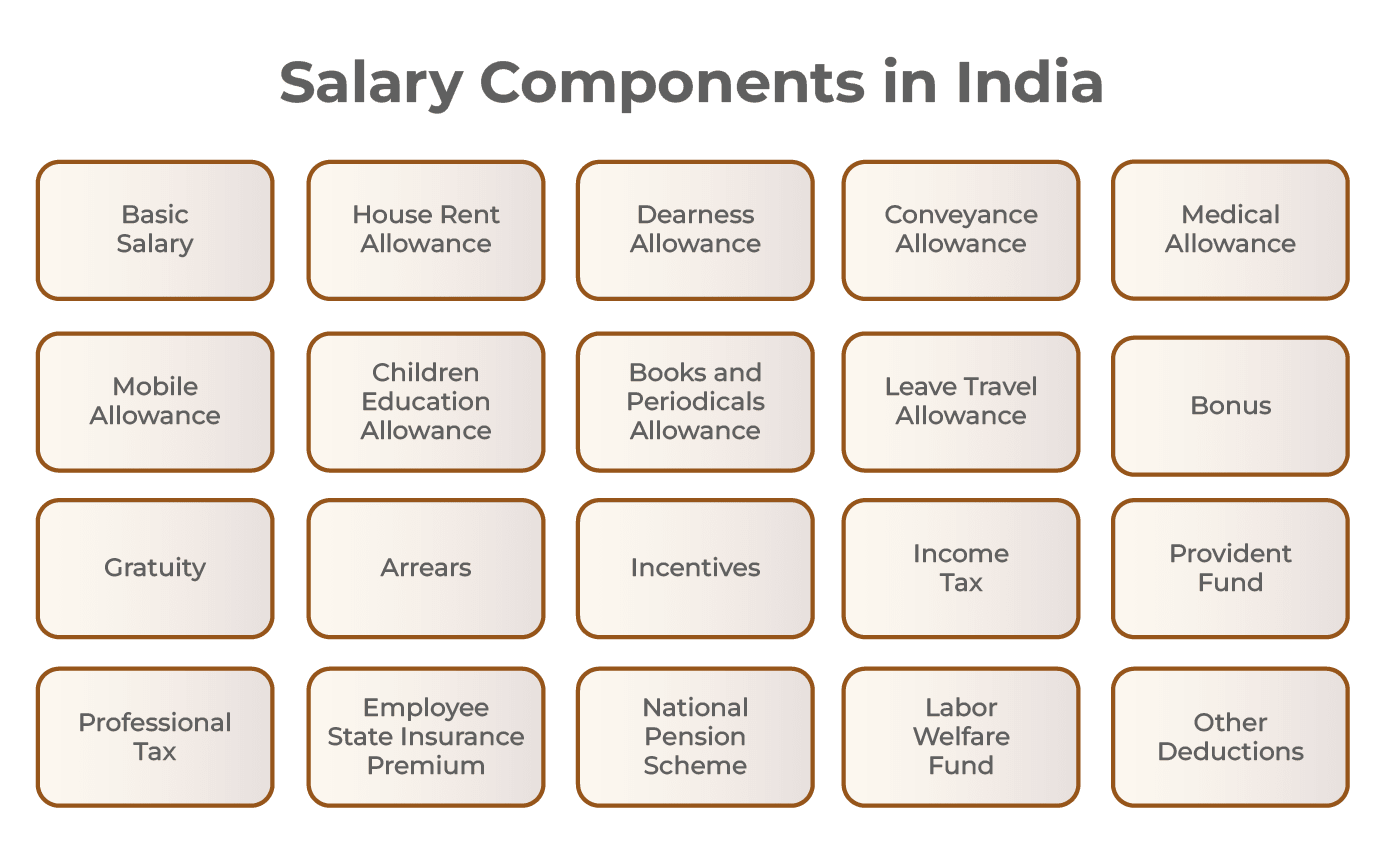
Base salary is only one piece of the puzzle. When evaluating an offer or preparing for a review, look at the entire employment package. Non-monetary benefits often hold substantial financial value and flexibility.
Consider factors such as health and dental benefits, retirement matching programs (like RRSPs or pensions), professional development allowances, and remote work flexibility. If a company cannot meet your exact base salary requirement, you can often bridge the gap by negotiating an extra week of vacation, a signing bonus, or a guaranteed performance review after six months.
Mastering the Delivery
When the time comes to state your case, keep your tone calm, professional, and collaborative. Avoid sounding defensive or apologetic.
Focus your argument on the value you bring to the organization. Connect your growth directly to the company's future goals. Practice the conversation out loud with a trusted friend or mentor so the phrasing feels natural when you sit across from your employer.
Common Mistakes to Avoid
- Sharing your current salary: Revealing what you make now often anchors future offers to your past underpayment rather than your market value.
- Accepting the first offer immediately: Most companies leave a margin for negotiation. Taking the first number without discussion leaves money behind.
- Making it personal: Frame your request around market rates and business value rather than personal financial needs like rent increases or debt.
- Being vague: Saying phrases like "I'm open to whatever you think is fair" signals a lack of confidence and invites a low offer.
Frequently Asked Questions
What if the employer flatly refuses to negotiate?
Ask if there is a timeline for a formal performance and salary review. If the budget is truly locked, evaluate whether the non-monetary perks, learning opportunities, or future career trajectory make up for the current salary limitation.
Should I bring up competing offers?
Yes, if you have them. A competing offer is the strongest piece of market evidence you can possess. Share it professionally by letting the employer know you are excited about their opportunity, but need them to match or improve upon another valid offer on the table.
How do I ask for a raise in my current job?
Schedule a dedicated meeting specifically for career development and compensation review—never spring it on your boss at the end of a casual Friday catch-up. Bring your documented list of accomplishments and market data to show how your responsibilities have grown beyond your initial job description.
Is it acceptable to negotiate after signing an offer letter?
Generally, no. Once you sign an offer, you have accepted the terms. Negotiate all adjustments and amendments before putting pen to paper.



