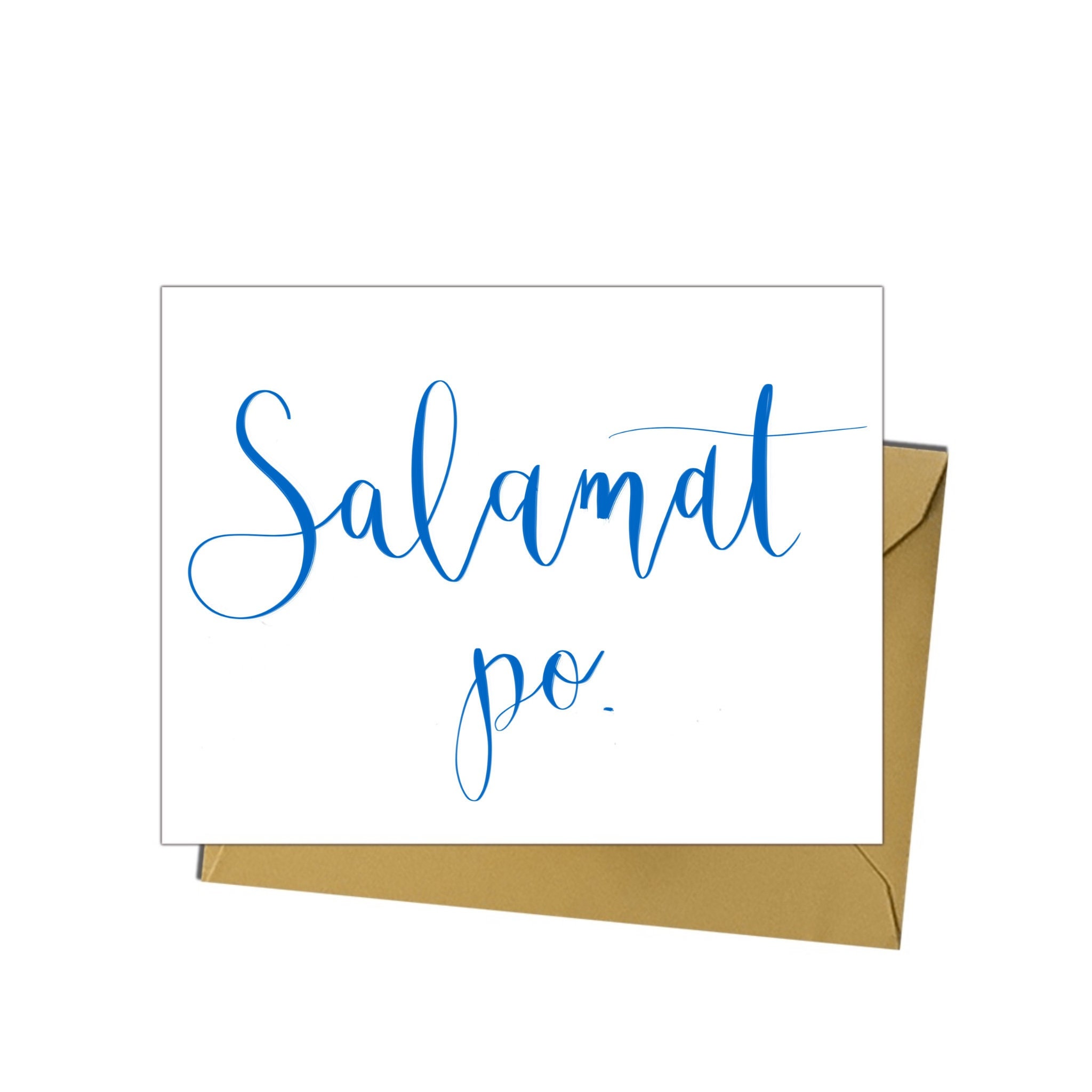
Saying salamat means "thank you" in Tagalog, but adding po transforms a simple acknowledgment into a profound gesture of respect. In the Philippines, salamat po isn't just polite phrasing. It's a linguistic pillar rooted in cultural values of hierarchy, familial reverence, and communal harmony.
To understand this phrase is to understand how Filipinos navigate social relationships. Whether you're traveling through the islands or interacting with Filipino friends, mastering this expression opens a window into a culture where humility and honor matter deeply.
The Anatomy of the Phrase: Salamat and Po
The expression combines two distinct elements: salamat, which means thank you, and po, a particle of respect.
- Salamat: Derived historically through trade and linguistic roots, this core term serves as the standard expression of gratitude across daily life.
- Po: This honorific carries no direct English equivalent. It functions as a linguistic marker of deference, slipped into sentences to signal that you recognize the seniority, age, or authority of the person you're addressing.
When paired together, salamat po tells the listener that your gratitude comes with humility. You aren't just thankful for an action; you respect the person performing it. For an even stronger sentiment, Filipinos say maraming salamat po, meaning "thank you very much".
When and How to Use Salamat Po
Context dictates everything in Filipino social etiquette. Using the right register prevents awkwardness and shows cultural awareness.
- Addressing Elders: Always use po when speaking to grandparents, parents, older relatives, or senior members of a community. Omitting it with older generations can sometimes come across as overly casual or dismissive.
- Service Interactions: When a taxi driver drops you off, a cashier hands you your change, or a waiter brings your food, adding po to your salamat elevates a transactional exchange into a polite human connection.
- Authority Figures: Teachers, employers, government officials, and community leaders warrant the use of po as a standard baseline of professional and social courtesy.
Between close friends of the same age, salamat po can sound too formal, almost like you're joking around. In casual peer settings, drop the po and stick to a simple salamat.
Connected Cultural Values of Respect
Gratitude in the Philippines doesn't exist in a vacuum. It connects directly to other foundational social concepts.
- Paggalang (Respect): Filipino upbringing heavily emphasizes honoring elders and those with wisdom. Language acts as the primary tool to reinforce this hierarchy.
- Utang na Loob (Debt of Gratitude): This principle involves an internal obligation to repay kindness or help received from others. Saying salamat po acts as an initial verbal acknowledgment of that social bond.
- Pagmamano: Beyond words, physical gestures embody this same respect. Younger individuals perform pagmamano by taking an elder's hand and gently pressing it against their own forehead to receive a blessing.
Common Mistakes to Avoid
Language learners and visitors often stumble when trying to apply politeness markers. Keep these practical pointers in mind:
- Overusing it in every single sentence: While politeness is valued, appending po to every micro-statement in a rapid-fire conversation can sound unnatural. Use it naturally on key phrases, greetings, and expressions of gratitude.
- Confusing po and opo: Remember that po is a general honorific modifier that attaches to sentences, whereas opo is the respectful way to say "yes".
- Ignoring body language: Words alone don't carry the message. A soft smile, a nod of the head, and a warm tone make salamat po land genuinely.
You can read more about linguistic nuances and regional studies through resources like the National Commission for Culture and the Arts. To explore broader historical context on Philippine traditions, check out research hosted by the University of the Philippines.
Frequently Asked Questions
What is the difference between salamat and salamat po?
Salamat is the casual, everyday way to say thank you to friends, peers, or younger individuals. Salamat po adds the honorific po, which shows formal respect to elders, strangers, and people in authority.
Can foreigners use salamat po?
Yes. Filipinos deeply appreciate when visitors make an effort to use local polite expressions. Using salamat po correctly demonstrates cultural awareness and goodwill.
Is po used only in Tagalog?
While po originates from Tagalog (and forms the basis of the national language, Filipino), speakers of other regional languages in the Philippines often adopt po and opo when speaking Tagalog or interacting in mixed-language environments.
What should I say if someone says salamat po to me?
The standard and most natural response to expressions of gratitude is walang anuman, which loosely translates to "you're welcome" or "it's nothing".



