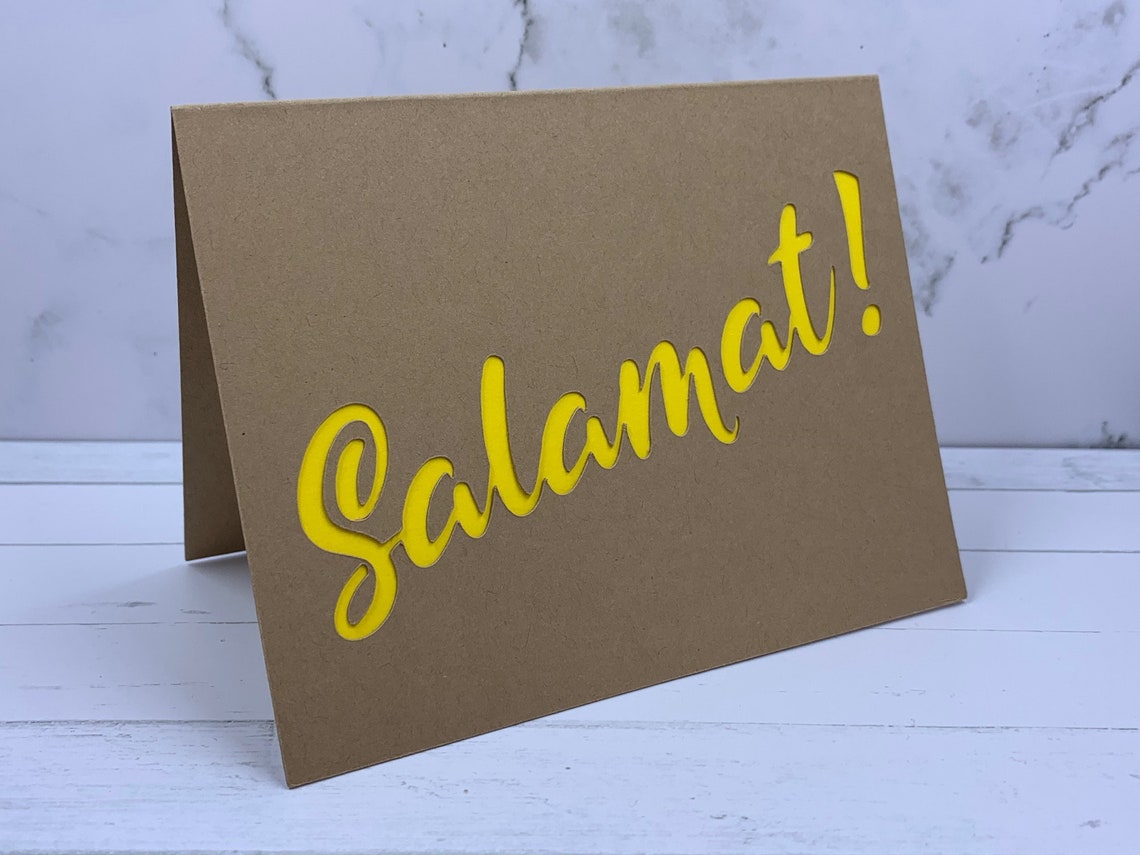
Language isn't just about exchanging information. Sometimes, a single word carries an entire worldview. When you hear someone in the Philippines say salamat po, they aren't just checking off a polite box. They are engaging in a centuries-old tradition of deep respect, community bonding, and humility.
Understanding this phrase unlocks how human relationships work across thousands of islands. Let's break down what salamat po really means, where it comes from, and why it matters in daily life.
Decoding Salamat Po: The Core Meaning
At its simplest, salamat means "thank you" in Tagalog and several other Philippine languages. It comes from the Arabic word salāmat, meaning peace, safety, or health, which entered the region via trade through Southeast Asia centuries ago.
Then you add po. As discussed in latest articles by Reuters, the effects are notable.
Po is a politeness marker. It doesn't have a direct equivalent in English. You can't translate it as "sir" or "ma'am" because it functions differently. It attaches to sentences, pronouns, and greetings to signal that you recognize who you are talking to. It acknowledges age, social hierarchy, and most importantly, relational distance.
When you combine them into salamat po, you elevate a casual nod of appreciation into a deliberate act of reverence. You are saying thank you, but you are also saying, "I see you, I respect you, and I humble myself before you."
The Cultural Architecture Behind the Word
You can't separate salamat po from the social frameworks that govern Filipino society. It functions as a linguistic anchor for several foundational cultural values.
Paggalang (Respect for Elders and Authority)
From toddlerhood, children are taught to use po and its sister word opo (yes) when speaking to parents, grandparents, aunts, uncles, teachers, and strangers older than them. Failing to use these markers isn't just seen as casual; it's often viewed as insolence. Salamat po is the primary verbal tool kids use to practice paggalang, embedding respect into their muscle memory.
Utang na Loob (Reciprocity and Debt of Gratitude)
Filipino culture places immense weight on utang na loob, which translates roughly to an internal debt of gratitude. When someone helps you out during a crisis or extends unexpected kindness, you don't just say thanks and move on. You carry an emotional obligation to return the favor when the time comes. Salamat po acts as the initial acknowledgment of this profound social contract. It marks the moment a bond forms.
Pakikisama and Hiya (Social Harmony and Propriety)
Life in tight-knit Philippine communities relies heavily on pakikisama (getting along with others) and hiya (a sense of appropriate shame or modesty). Using polite language prevents friction. By softening interactions with po, speakers remove the threat of arrogance. It's a way of saying, "I am not above you; we are equal in this space."
When and How to Use Salamat Po
Knowing when to deploy the phrase matters just as much as knowing what it means. Context dictates everything.
- Intergenerational exchanges: Always use it with older family members, even if you are close to them. Dropping it with an uncle or grandmother feels jarring.
- Customer service interactions: If a jeepney driver hands back your change, or a cashier bags your groceries, a quick salamat po transforms a transactional moment into a warm human connection.
- Receiving gifts or hospitality: When someone invites you into their home and feeds you—which happens constantly in the Philippines—salamat po is mandatory, often accompanied by a broader expression of gratitude for their generosity (maraming salamat po).
- Formal settings: Professional emails, community meetings, and public speeches almost always incorporate the phrase to set a respectful tone.
Common Mistakes Outsiders Make
People visiting or moving to the Philippines often stumble over politeness markers. Avoiding these errors makes your interactions much smoother.
- Forgetting the po entirely: Saying just salamat to an elder isn't necessarily offensive if they know you're a foreigner, but it sounds abrupt and overly casual.
- Overusing it with peers: Throwing po at someone your own age can create awkwardness or ironic distance. It implies a rigid hierarchy where none exists among friends.
- Treating it like a magic spell: Saying the words while rolling your eyes or looking at your phone defeats the purpose. The phrase requires sincerity, eye contact, or a polite nod to land correctly.
FAQ
Is salamat po exclusively Tagalog?
While salamat and po stem from Tagalog grammar, the concept of using honorific politeness markers exists across almost all major Philippine languages, such as Ilokano (agyamanak paired with respectful pronouns), Cebuano (salamat with maayong or respectful suffixes), and Hiligaynon.
Can you use salamat po in text messages?
Yes. Filipinos frequently type salamat po or shorthand versions like salamat po uli (thanks again) in group chats, text messages, and work emails to maintain warmth in digital spaces.
What is the difference between po and ho?
Po is the standard marker of respect. Ho is a slight variant that feels a bit more colloquial, often used among peers who are slightly older or in slightly more relaxed settings, though po remains the gold standard for formal respect.
How do children learn when to use it?
Parents and older siblings correct children immediately if they drop the honorific. It's drilled in through constant repetition until using po and opo becomes an automatic reflex rather than a conscious choice.



