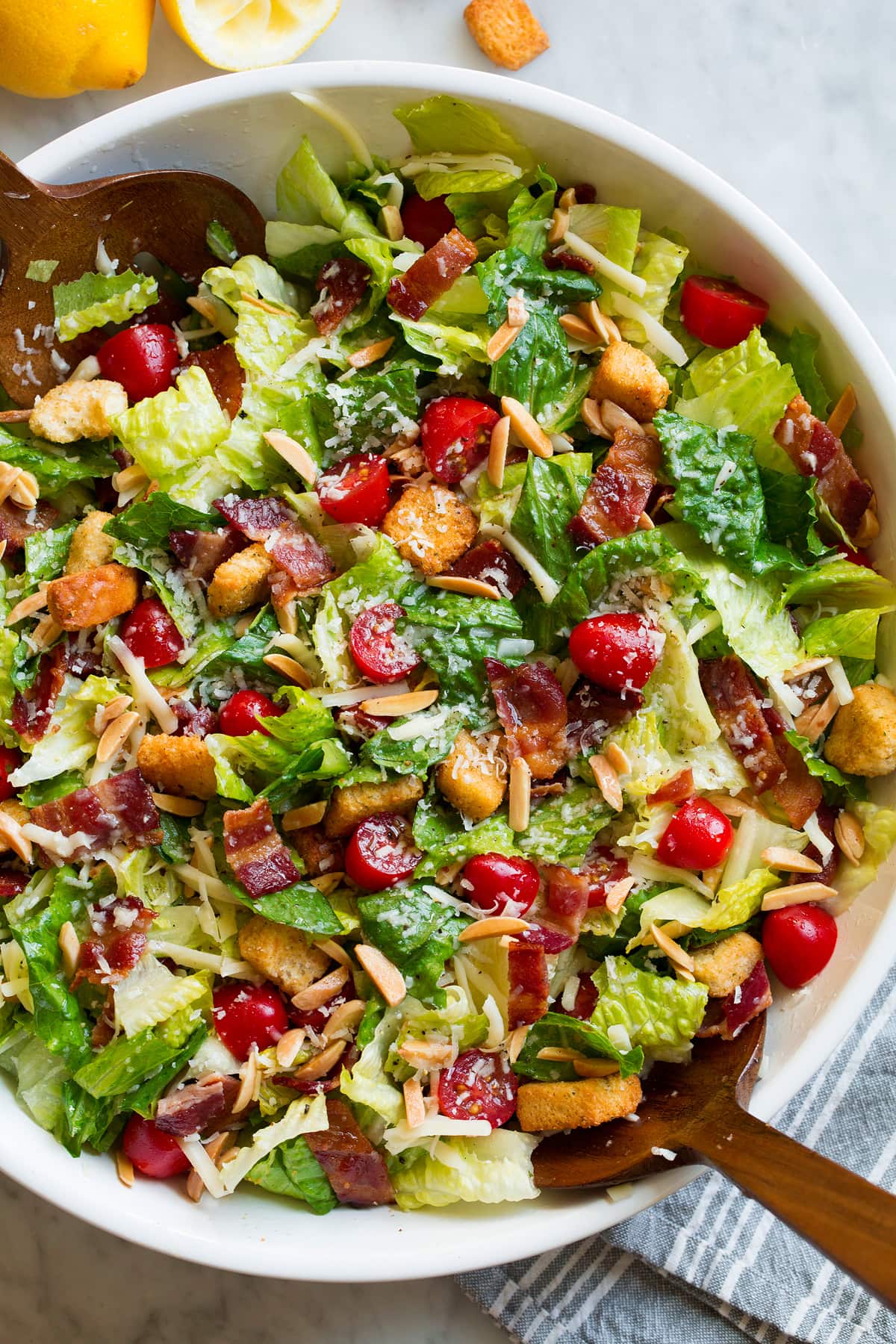
We think ordering a salad automatically means making a smart choice for weight control. But that bowl of greens can easily outpace a cheeseburger in total energy load. The misconception comes from assuming that because vegetables are healthy, the meal itself is low in calories. In reality, heavy dressings, rich cheeses, and dense toppings shift a light plate of leaves into a calorie-heavy meal.
Understanding how these meals stack up requires looking past the vegetable base. A leafy foundation provides high volume and fiber with minimal energy, but what we add on top completely changes the equation. Let's break down where the energy hides and how to build a genuinely light bowl without sacrificing satisfaction.
The Real Baseline of Salad Greens
Leafy vegetables are mostly water and fiber. They give you physical volume in your stomach for very little energetic cost. Shredded romaine lettuce or iceberg lettuce sits at around 10 calories per cup, while raw spinach registers about 7 calories for the same measure. Arugula brings a peppery kick for roughly 5 calories per cup.
These numbers create a false sense of security. You finish a large bowl and assume you've barely consumed anything. But greens are just the canvas. The actual caloric weight comes from everything that touches them after they leave the crisper drawer.
Where the Hidden Calories Accumulate
Dressings and fat-based additions do the heavy lifting when it comes to calorie counts. We don't always measure our pours, and standard restaurant portions are often double or triple what a nutrition label considers a serving.
- Creamy dressings: Ranch, blue cheese, and Caesar options pack 150 to 250 calories into just two tablespoons. Pouring four tablespoons over a bowl adds up to 500 calories before you've even added protein.
- Vinaigrettes: Even oil and vinegar blends aren't innocent. Olive oil contains about 120 calories per tablespoon. A heavy hand with the cruet turns a light dressing into a dense pool of fat.
- Cheese additions: Cheddar, feta, and goat cheese add rich flavor, but they also contribute roughly 100 to 130 calories per ounce. It's easy to drop three ounces onto a bowl without noticing.
- Crunchy toppings: Croutons, tortilla strips, and candied nuts introduce refined carbohydrates and added sugars. A quarter-cup of croutons adds up to 120 calories of pure processed wheat and oil.
When you combine a heavy cream dressing, multiple cheeses, and fried toppings, your meal can easily reach 800 to 1,000 calories. According to the USDA FoodData Central, understanding individual ingredient energy densities is the only reliable way to track what you're actually eating.
Restaurant Salads vs. Homemade Bowls
Pre-packaged grocery store options and restaurant menu items are notorious for hiding extra energy. Commercial kitchens use generous amounts of oil to prevent wilting and enhance flavor. Fried chicken strips, crispy bacon bits, and glazed walnuts turn a vegetable base into a heavy plate.
If you're dining out, asking for dressing on the side is your best defense. It puts you back in control of the pour. Swapping fried proteins for grilled alternatives and limiting cheese to a single sprinkle cuts hundreds of unnecessary calories from your lunch.
For a deeper look into dietary guidelines and energy balance, check out the Dietary Guidelines for Americans published by the federal government.
Practical Steps for Building a Lighter Meal
You don't have to eat dry leaves to keep your intake in check. Smart assembly lets you enjoy a satisfying meal without blowing past your daily targets.
- Load the base: Start with a generous foundation of spinach, kale, or mixed greens. You get fiber and micronutrients right away.
- Choose lean protein: Opt for grilled chicken breast, boiled eggs, or tofu instead of breaded or fried meats.
- Control the fat: Measure your oil-based dressing to one tablespoon, or use fresh lemon juice and herbs for a zero-calorie flavor boost.
- Mind the extras: Pick one dense topping, like a small handful of pumpkin seeds or a single ounce of feta, rather than piling on multiple cheeses and nuts.
For more evidence-based guidance on food safety and nutrition science, visit the CDC Nutrition Page.
Frequently Asked Questions
Are all salad dressings high in calorie content?
No, but creamy options and heavy oil-based vinaigrettes definitely are. Low-calorie alternatives include salsa, mustard-based dressings, or fresh citrus juice mixed with herbs and vinegar.
Why do I feel hungry an hour after eating a large salad?
If your meal lacks sufficient protein and healthy fats, it digests too quickly. Adding a palm-sized portion of lean protein or a small amount of avocado helps stabilize digestion and keeps you full longer.
Is it possible for a restaurant salad to have more calories than a burger?
Yes. Large restaurant salads featuring fried chicken, cheese, nuts, dried fruit, and creamy dressings routinely exceed 900 calories, which often surpasses a standard fast-food burger.
Do raw vegetables have fewer calories than cooked ones?
The calorie count per weight doesn't change drastically, but cooking reduces volume. It's much easier to eat two cups of cooked spinach than two cups of raw spinach, which changes how much energy you consume in one sitting.


