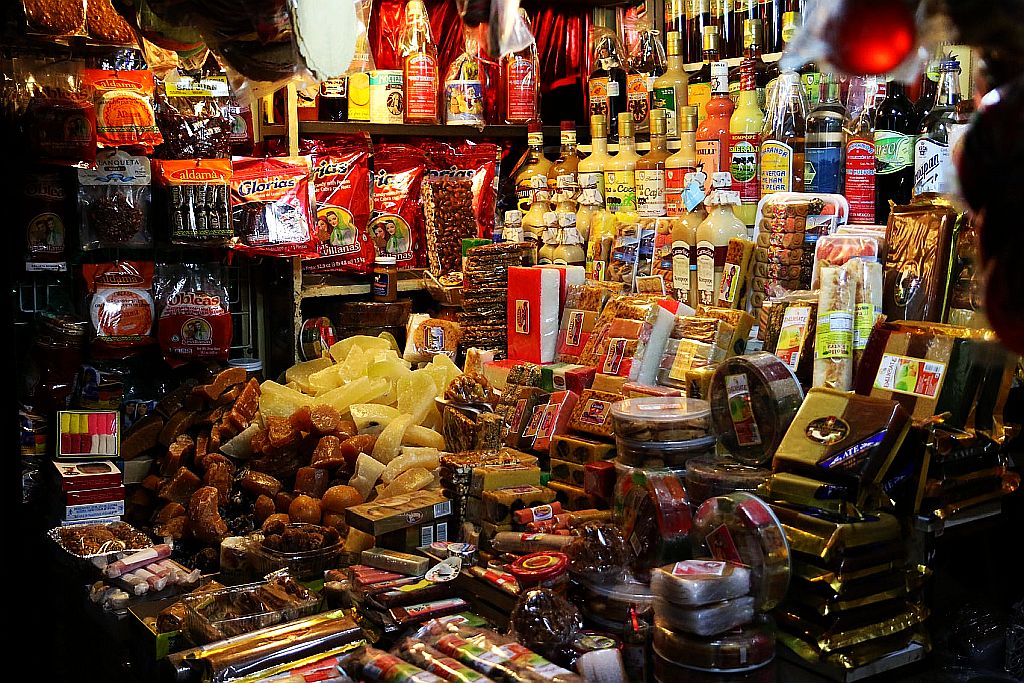
Saginaw's local economy is shifting away from fast consumerism toward a resilient, community-driven used goods market. From neighborhood thrift shops along Gratiot Road to digital neighborhood exchanges, residents are embracing pre-owned items to cut waste and stretch household budgets.
This local movement isn't just about scoring a bargain. It's a fundamental restructuring of how people in the Great Lakes Bay Region acquire clothing, furniture, and household essentials. By keeping items out of local waste streams, the community is building a functional circular economy from the ground up.
The Economic Drivers Behind Saginaw's Secondhand Boom
Inflation and rising retail costs forced many households to rethink how they spend money. Buying new furniture or apparel often comes with steep price tags and long shipping delays. Secondhand options offer immediate availability at a fraction of the cost.
At the same time, shifting consumer values play a massive role. Younger demographics and budget-conscious families prefer items with character and history over mass-produced goods that wear out quickly. When you buy a solid-wood dresser from a local estate or a neighborhood store, you're getting durability that modern flat-pack furniture rarely matches. Additional information on this are covered by Associated Press.
- Lower upfront costs: Essential household goods and clothing become accessible to families on tight budgets.
- Retained local value: Money spent at independent thrift stores and local markets stays within the Saginaw economy rather than flowing to corporate headquarters.
- Waste reduction: Diverting usable items from landfills eases the burden on municipal waste management systems.
Key Hubs of the Local Resale Network
Saginaw's used goods infrastructure relies on a mix of nonprofit storefronts, independent antique vendors, and peer-to-peer digital networks. Each sector serves a different part of the community.
Nonprofit Thrift Outlets and Community Support
Nonprofit shops anchor the local resale scene. Stores like AbleLight Thrift Shop on Gratiot Road and Underground Railroad Resale on State Street turn donated clothing, books, and housewares into funding for vital community services. Shoppers find reliable everyday items while directly supporting developmental disability programs or crisis intervention services.
Independent Antiques and Specialty Malls
For unique home decor and vintage goods, locations like the Antique Warehouse on Tittabawassee Road pool inventory from dozens of independent vendors. These spaces function as micro-economies where small-scale pickers and collectors sell curated items, giving mid-century furniture and retro housewares a second life.
Digital Peer-to-Peer Exchanges
Online platforms like Facebook Marketplace bridge the gap between individual buyers and sellers without the overhead of a brick-and-mortar storefront. Residents clear out garages and basements, listing everything from lawnmowers to winter coats. This digital layer removes traditional logistical barriers, allowing fast local transactions that keep functional goods moving between neighbors.
Environmental Impact and the Circular Economy
A true circular economy minimizes waste by keeping materials in use for as long as possible. Manufacturing new goods demands raw resources, water, and extensive carbon emissions for global shipping.
When a Saginaw resident buys a pre-owned appliance or a vintage coat, they bypass the manufacturing footprint of a new product. Local organizations, including regional groups working to divert reusable furniture from landfills, highlight how small community actions add up. Every couch rehomed or jacket reworn reduces the physical volume heading to local disposal sites.
Common Pitfalls When Buying and Selling Used Goods
Navigating the secondhand market requires a different approach than traditional retail shopping. Avoiding common mistakes saves time and prevents wasted money.
- Failing to inspect items thoroughly: Always check electronics for frayed cords, furniture for structural stability, and upholstered items for odors or stains before buying.
- Ignoring return policies: Most thrift stores and peer-to-peer sellers operate on a strict final-sale basis. Test items on the spot whenever possible.
- Underestimating transport logistics: Buying heavy furniture online or at a thrift store can backfire if you don't have a truck or reliable muscle to move it safely.
- Overlooking safety recalls: Never buy second-hand cribs, expired car seats, or outdated helmets that fail current safety standards.
Frequently Asked Questions
What types of items are most in demand in Saginaw's thrift market?
Solid-wood furniture, small kitchen appliances, children's clothing, and books move the fastest. Buyers look for items that offer high utility and durability compared to modern budget-retail alternatives.
How do local charities benefit from the secondhand economy?
Many resale shops operate as fundraising arms for nonprofits. Revenue from donated goods directly funds local shelter operations, disability support programs, and community outreach initiatives.
Are prices negotiable at local Saginaw thrift stores?
Traditional nonprofit thrift stores and antique malls generally have fixed pricing, though many offer recurring discount days for seniors, students, or specific color tags. Peer-to-peer digital marketplaces, however, almost always allow room for reasonable negotiation.
How can I ensure donated items are actually accepted?
Most local donation centers publish explicit guidelines detailing what they can and cannot accept. Items must be clean, unbroken, and functional. Avoid dropping off heavily stained textiles, broken electronics, or recalled safety equipment, as disposal fees strain nonprofit resources.


