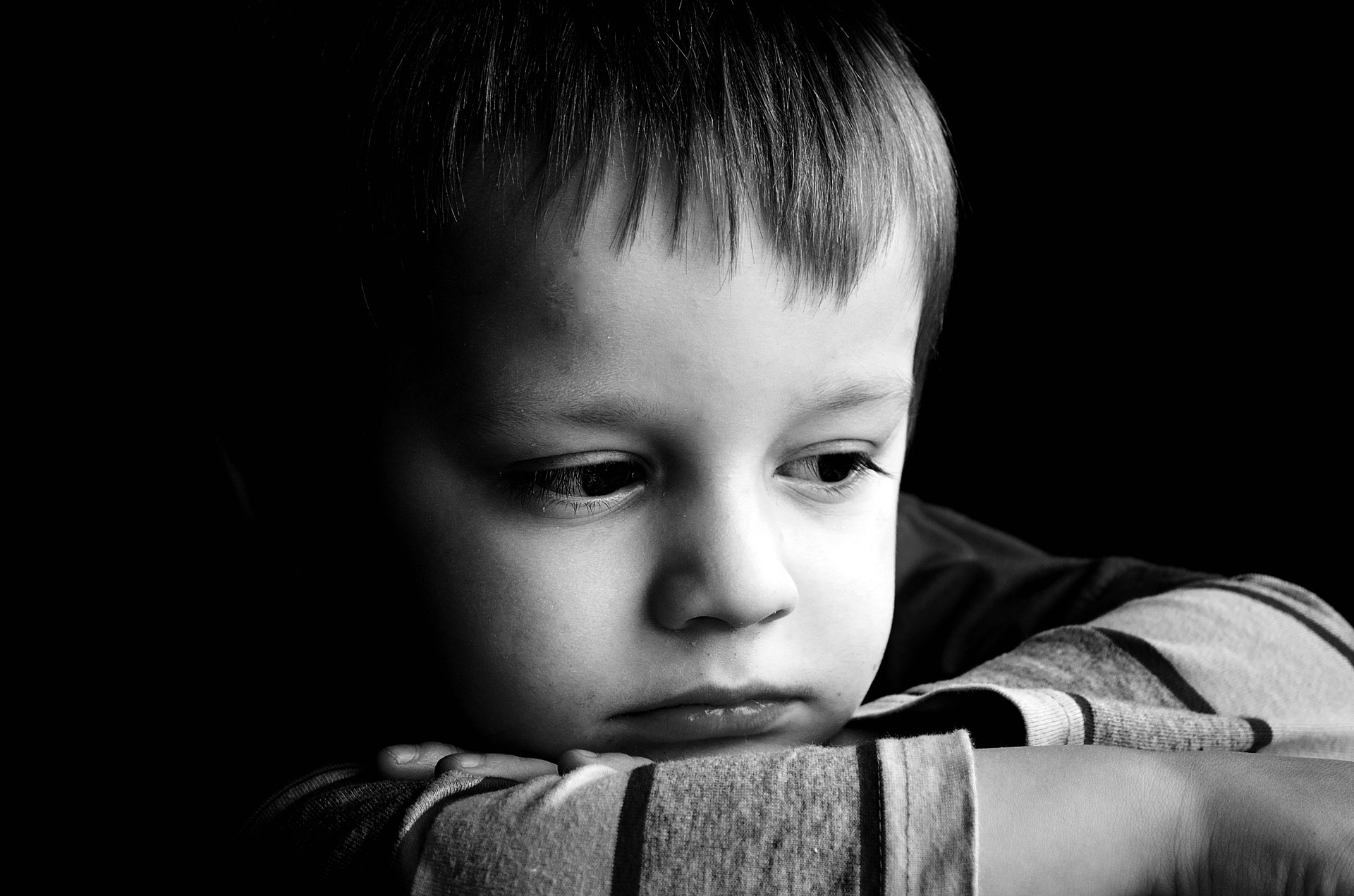
When you log onto your favorite platform and see a friend swap their smiling selfie for a somber illustration, a black-and-white portrait, or a crying cartoon character, your immediate reaction might be concern. These visual choices act as quiet distress signals in digital spaces where vulnerability often feels risky. People adopt sad profile pictures to communicate emotional pain without typing a single word, inviting empathy from their networks when offline support feels out of reach. Yet, this phenomenon opens a window into the darker side of online interaction, where performative sorrow, emotional avoidance, and digital fatigue often replace genuine human connection.
Understanding why people use somber avatars requires looking at how digital environments shape modern communication. Social media platforms reward emotional visibility, but they also create high-pressure environments where expressing weakness directly can feel like a social failure. Changing an image becomes a low-stakes compromise. It broadcasts distress while maintaining a protective barrier, allowing users to test the waters of support without exposing themselves to direct judgment. However, beneath this surface-level cry for help lies a complex cycle of psychological coping mechanisms and digital detachment that affects both the person posting the image and the followers observing it.
The Psychology Behind Somber Digital Avatars
Digital self-representation is an active extension of personal identity. When life feels overwhelming, changing a profile picture provides an immediate sense of control over an otherwise chaotic online persona. Clinical psychologists note that visual symbols serve as shorthand for internal states that users might struggle to articulate verbally.
For many individuals, adopting a melancholic avatar functions as a quiet plea for validation. It signals to peers that someone is going through a difficult period, hoping that friends will reach out via direct message. This behavior taps into what researchers call participatory empathy, where online communities rally around shared expressions of vulnerability.
At the same time, this form of expression can stem from emotional exhaustion. Maintaining a cheerful, highly curated online presence requires significant mental energy. When real-life stress builds up, keeping up appearances becomes impossible. Swapping to a dark or sad image acts as an honest admission of fatigue, dropping the mask of constant positivity that platforms like Instagram and Facebook routinely encourage.
Why Users Choose Avatars Over Direct Conversation
Opening up about depression, anxiety, or personal heartbreak is difficult in face-to-face settings, and it can feel even more intimidating in public digital feeds. Sad profile pictures offer a middle ground between total silence and complete transparency.
- Fear of Burdening Others: Many people worry that expressing their struggles directly makes them a burden to friends and family. A passive visual cue lets people choose whether to engage.
- Avoiding Direct Confrontation: Posting a somber image bypasses awkward conversations. It lets users signal pain without having to explain the root cause repeatedly to acquaintances.
- Testing Social Support: Changing an avatar serves as a subtle litmus test for relationships, revealing which friends notice subtle shifts in digital behavior and care enough to check in.
Relying entirely on passive signals can backfire. When followers respond with sympathy, it provides a quick dopamine hit, but it rarely solves the underlying emotional distress. Over time, users might find themselves trapped in a cycle where they broadcast their pain online rather than seeking professional help or confiding in trusted confidants.
The Dark Side: Performative Empathy and Digital Fatigue
While these visual cues often stem from genuine pain, they also highlight toxic dynamics within modern online culture. Platforms thrive on emotional engagement, and public displays of sadness frequently generate higher interaction rates than neutral updates. This dynamic can inadvertently encourage performative vulnerability, where users exaggerate or prolong their sorrow online because it yields attention and care.
Furthermore, constant exposure to other people's distress takes a heavy toll on followers. Compassion fatigue occurs when individuals feel overwhelmed by the continuous stream of negative emotional displays across their feeds. Friends might feel compelled to offer support constantly, leading to burnout and emotional withdrawal.
The Pew Research Center has extensively documented how digital communication impacts social relationships, noting that heavy platform use often correlates with feelings of isolation rather than true community. When digital interactions substitute for deep, in-person conversations, relationships can become superficial. People exchange digital sympathy likes instead of offering real-world help, leaving both parties feeling empty.
Recognizing Healthy Boundaries in Digital Spaces
Navigating emotional expression online requires balance. Recognizing when an online gesture helps versus when it avoids real problems is crucial for maintaining mental well-being.
- Assess your motivations: Ask yourself whether changing your avatar invites meaningful support or simply seeks temporary validation from strangers.
- Prioritize direct communication: Reach out to one or two trusted friends directly when you're struggling, rather than relying on public hints.
- Limit passive scrolling: Take breaks from feeds when emotional displays from acquaintances begin draining your own mental energy.
- Encourage real-world connections: Translate digital empathy into tangible offline support, such as a phone call or a coffee meetup.
Mental health resources like Mental Health America emphasize that true emotional healing happens through authentic connection and professional guidance, not through algorithmic engagement. Recognizing the limits of digital communication helps users protect their mental health from the hidden pressures of social media culture.
Frequently Asked Questions
What does it mean when someone changes their profile picture to something sad?
It typically signifies that the person is experiencing emotional distress, stress, or grief. It serves as a non-verbal way to communicate vulnerability and invite support from their online network without having to write a detailed explanation.
Are sad profile pictures a sign of attention-seeking behavior?
While critics sometimes dismiss them as attention-seeking, psychologists view them more accurately as connection-seeking behaviors. People use them to cope with feelings of isolation and to look for reassurance from their peers.
Can posting sad content online worsen mental health?
Yes, excessive focus on negative emotions online can reinforce feelings of depression. Seeking validation through digital reactions often provides only temporary relief and can delay addressing the root causes of distress.
How should I respond if a friend updates their profile picture to something somber?
A simple, private message checking in on them can make a big difference. Avoid commenting publicly on the post, as this can make the person feel exposed or put on the spot. A private check-in shows genuine care without forcing public performance.


