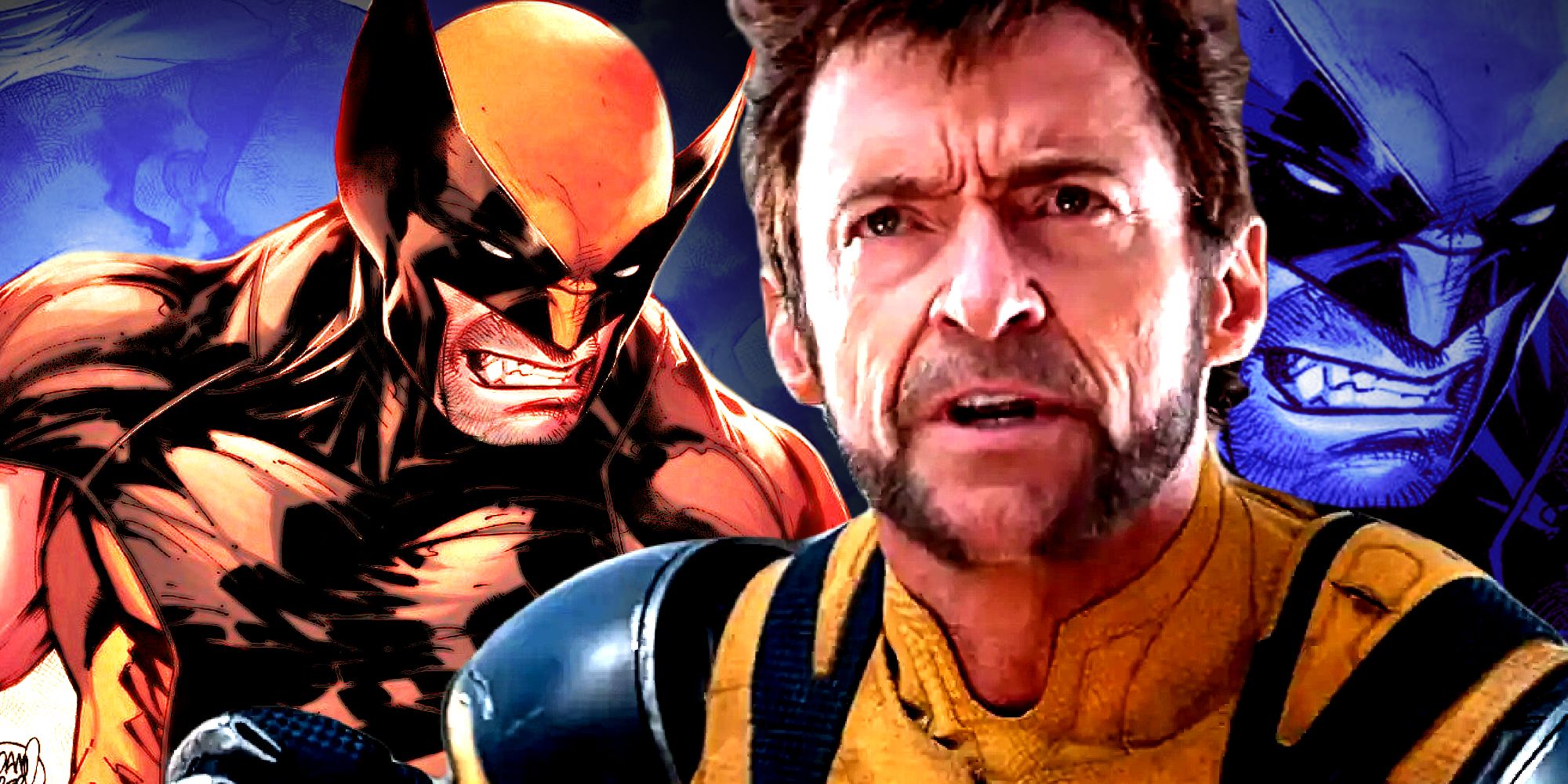
Victor Creed, better known as Sabretooth, stands as one of Marvel's most recognizable apex predators. Defined by his feral instincts, rapid healing factor, and deep-seated rivalry with Wolverine, his path through the X-Men franchise explores the boundary between wild animalism and human intellect. From his debut in the pages of Iron Fist to complex eras of forced reform and brutal resistance, Creed represents a specific kind of threat within comic book history—one driven by raw, unapologetic violence.
Understanding Sabretooth requires looking beyond his standard role as a simple henchman. His narrative explores what happens when a mutant embraces pure, unbridled savagery while those around him strive for societal integration or moral redemption.
Origins and Early Publication History
Created by writer Chris Claremont and artist John Byrne, Sabretooth first appeared in Iron Fist #14 in August 1977. Initially introduced as a ruthless serial killer and mercenary, his design and personality cemented him as a dark mirror to Logan. Both shared accelerated healing factors, enhanced senses, and retractable claws, but where Wolverine wrestled with his inner demons, Creed reveled in them.
Early comic runs kept his backstory murky, often hinting at government mind-wiping experiments like the Weapon X Program. Later writers fleshed out a bleak childhood in the Canadian wilderness, establishing a pattern of abuse and trauma that shaped his merciless worldview. This history transformed him from a generic heavy into a psychological foil, particularly through his grim tradition of tracking Wolverine down on his birthday just to inflict pain.
Powers, Physiology, and Combat Style
Creed's mutant physiology makes him a formidable combatant. His primary traits include:
- Regenerative Healing Factor: He recovers from gunshot wounds, slashed tissue, and broken bones in minutes, granting him virtual immunity to conventional toxins and fatigue.
- Superhuman Senses: His sight, hearing, and smell match or exceed those of top-tier tracking animals, allowing him to hunt prey across vast distances.
- Natural Weaponry: Elongated canines and razor-sharp retractable claws allow him to tear through armored steel and human flesh with equal ease.
- Feral Agility: Despite his massive physical build, his joints and musculature provide fluid, cat-like reflexes that catch opponents off-guard during close-quarters brawls.
Unlike disciplined martial artists, Sabretooth relies on uninhibited street fighting and predatory ambush tactics. He treats combat as a hunt, using psychological warfare to unnerve targets before closing in for the kill.
Evolution Through the X-Men Eras
Sabretooth's alignment shifted dramatically across different decades of Marvel publication. While he spent years as a core member of the Brotherhood of Evil Mutants and the Marauders, participating in cataclysmic events like the Mutant Massacre, subsequent storylines forced him into stranger alliances.
During the AXIS storyline, a magical inversion altered his moral compass. Wracked with guilt over past atrocities, Creed attempted to walk a heroic path, joining the Avengers Unity Division. This phase tested whether a creature born of pure malice could genuinely choose rehabilitation. Later, during the Krakoan era of mutant sovereignty, his recurring inability to follow human laws led to brutal punishments, including permanent exile into the mutant pit, highlighting the ongoing friction between mutant survival and individual accountability.
Common Misconceptions About Sabretooth
Readers often conflate different versions of the character across media. A frequent point of confusion involves his relationship with Wolverine. While the cinematic adaptations firmly established them as half-brothers, mainstream comic continuity left their exact familial ties ambiguous for decades, favoring a dynamic built on mutual torment and shared clandestine history.
Another misconception views Creed as a mindless beast. In reality, he possesses sharp tactical intelligence, often running criminal networks or manipulating allies when it suits his survival. His savagery is a choice and a philosophy, not a complete lack of cognitive function.
Frequently Asked Questions
Who created Sabretooth?
Chris Claremont and John Byrne created the character, introducing him in Iron Fist #14 in 1977.
Does Sabretooth have an Adamantium skeleton like Wolverine?
In main comic continuity, no. Unlike Wolverine, Creed's bones are entirely natural, though certain alternate timelines or weapon programs have experimented on him with artificial enhancements.
Is Sabretooth always a villain?
While primarily depicted as an antagonist and serial killer, specific storylines—such as his magic-induced inversion during AXIS—temporarily pushed him toward heroic teams like the Avengers Unity Division.
How does Sabretooth's healing factor compare to Wolverine's?
Both possess rapid regeneration, but Wolverine's healing is bolstered by his heavy Adamantium-laced skeleton, which prevents his body from shifting naturally. Creed's organic skeleton allows for slightly different physical agility, though both recover from lethal trauma at comparable rates.