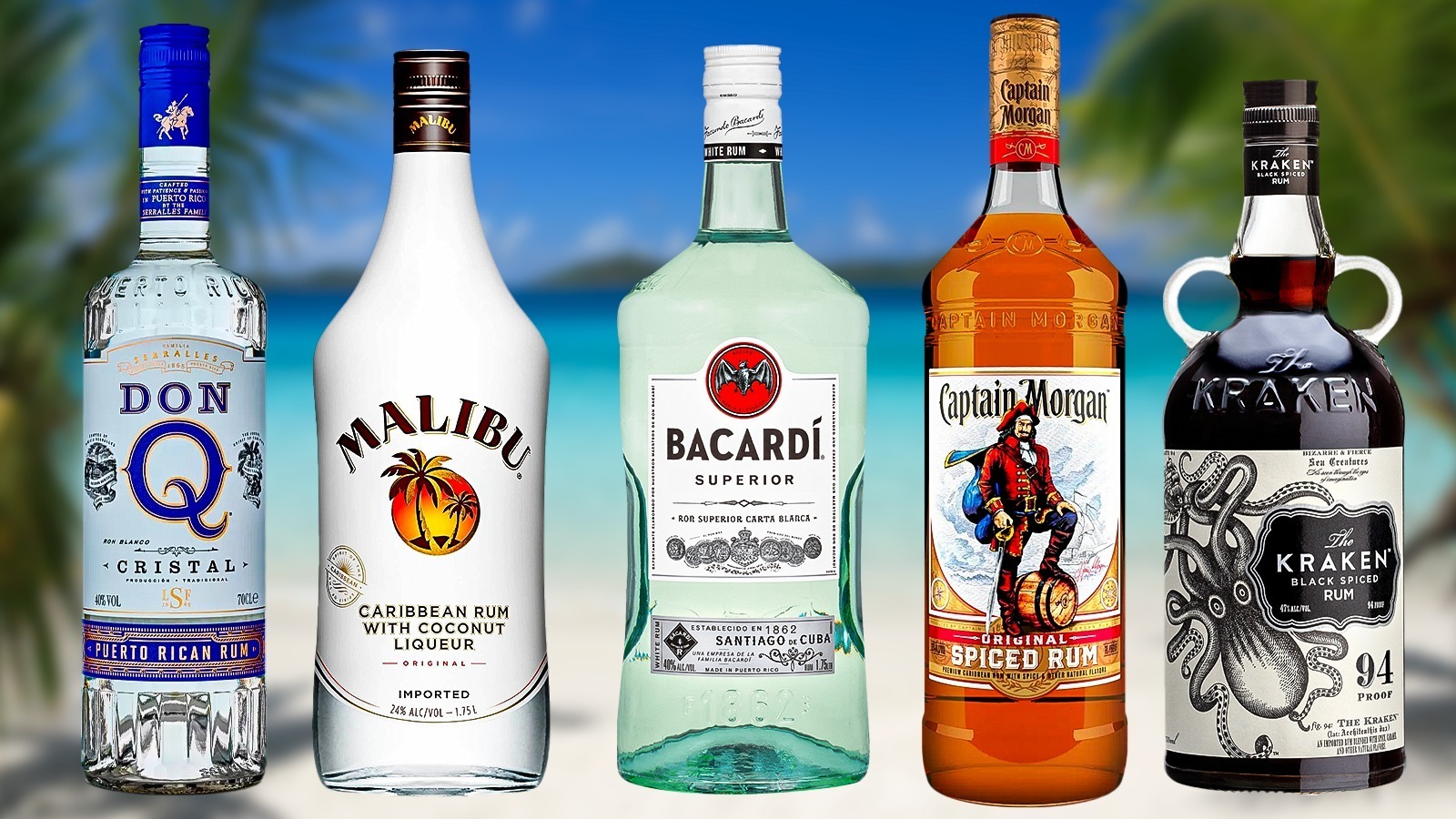
When you line up standard bottles of rum and whiskey, they look almost identical on paper. Both typically sit at 40% alcohol by volume, or 80 proof, because commercial regulations and consumer expectations established this baseline decades ago. Yet, looking past the standard retail labels reveals massive variations in strength. Overproof rums and cask-strength whiskies push boundaries far past that baseline, changing how these spirits interact with your palate and your body.
Understanding the real difference between these two spirits requires looking past marketing terms and examining how proof, distillation, and aging affect what's actually in your glass. Let's break down how rum and whiskey measure up against each other.
How Alcohol Content is Measured: ABV vs. Proof
Before comparing specific spirits, you need to understand how countries regulate bottle labels. Alcohol by Volume, or ABV, measures the exact percentage of pure ethanol present in a liquid at 20 degrees Celsius. If a bottle holds 750 milliliters of liquid at 40% ABV, 300 milliliters of that volume is pure alcohol.
Proof is simply a legacy scale used to calculate that percentage. In the United States, the proof number is double the ABV. An 80-proof spirit contains 40% alcohol, while a 151-proof rum contains 75.5% alcohol.
Historically, this term originated in the British Royal Navy. Sailors tested the strength of rum by dousing gunpowder with it; if the gunpowder still burned, the rum was "proven" to have a high enough alcohol content and hadn't been watered down. Today, it's just a straightforward multiplier, but understanding it helps you track exactly how much alcohol you're pouring.
Standard Bottlings: The Baseline Comparison
For standard commercial releases, rum and whiskey share a identical starting line. Most mass-market bottles target the legal minimums or traditional consumer standards set by governing bodies like the Alcohol and Tobacco Tax and Trade Bureau.
- Standard Rum: Most white, gold, and dark rums produced for global distribution are bottled at 40% ABV (80 proof).
- Standard Whiskey: Bourbons, blended scotches, and Irish whiskeys are similarly anchored at 40% ABV, though many craft and heritage brands routinely bottle at 43% or 45% ABV to preserve richer flavor compounds.
At standard proof, a standard 1.5-ounce pour of either spirit delivers roughly the same amount of ethanol. That means an old fashioned made with standard bourbon packs the exact same alcoholic punch as a daiquiri made with standard white rum.
Where They Diverge: Overproof Rums and Cask-Strength Whiskies
While standard bottles match up evenly, specialty releases push these spirits into entirely different territories. This is where casual drinkers often misjudge their drinks.
The High-End Reach of Rum
Rum production methods allow for extreme concentration during distillation. While standard bottles sit at 40%, the category includes heavy or overproof expressions designed for specific cocktail traditions or Tiki mixology.
- Overproof and Navy Strength: Many traditional rums are bottled at 57% ABV (114 proof) or higher to replicate historical naval standards.
- Extreme Concentrations: Certain commercial rums, such as infamous overproof bottling variants, scale all the way up to 75.5% ABV (151 proof) or higher. These extreme liquids demand careful dilution when mixed.
The Power of Cask-Strength Whiskey
Whiskey doesn't scale quite as high as rum on the absolute maximum end, but un-diluted barrel releases pack a severe punch. Most whiskey is pulled from the barrel at high proofs and then cut with pure water before bottling to reach that standard 40% to 45% range.
- Cask Strength / Barrel Proof: Some distillers skip the water addition entirely. These bottles go straight from the oak barrel into the glass.
- Typical Ranges: Cask-strength bourbons, ryes, and single malt scotches routinely range from 55% to 65% ABV (110 to 130 proof), retaining intense concentrations of congeners and wood tannins.
How Alcohol Strength Impacts Flavor and Aroma
Ethanol acts as a solvent. It carries flavor molecules, volatile organic compounds, and aromatic oils straight to your olfactory receptors. This chemistry explains why a higher proof bottle tastes vastly different from a watered-down version, even if they come from the same barrel batch.
At 40% ABV, water and commercial additives soften the sharp burn of the alcohol, making the spirit approachable for neat sipping. However, that dilution also mutes subtle tasting notes.
When you drink a cask-strength whiskey or a high-proof rum, the high ethanol content can initially overwhelm your tastebuds with heat. Adding a few drops of water or a single large ice cube breaks the surface tension, releasing trapped aromatic compounds and opening up complex notes of caramel, spice, oak, or molasses that remain hidden at lower proofs.
Standard Drinks and Metabolism
No matter whether you prefer rum or whiskey, your liver processes pure ethanol at a relatively fixed rate. Health guidelines measure consumption by standard drinks rather than the volume of liquid.
In the United States, a standard drink contains roughly 0.6 fluid ounces of pure alcohol. Because standard rum and whiskey are both 40% ABV, a standard drink equates to precisely 1.5 fluid ounces for both spirits.
Problems arise when people pour high-proof variants. Downing a 1.5-ounce pour of a 120-proof cask-strength whiskey actually delivers 1.5 standard drinks worth of alcohol in a single glass. Miscalculating proof leads to faster intoxication because you're consuming significantly more ethanol per sip than you realize.
Common Mistakes When Comparing Rum and Whiskey Strength
- Assuming color dictates strength: Many drinkers assume dark rum or dark whiskey is automatically stronger than clear spirits. Color comes from aging in charred oak barrels or the addition of caramel coloring, not alcohol content.
- Ignoring cocktail dilution: A heavy pour of overproof rum mixed into a sweet fruit juice goes down easily, masking high ethanol levels until it's too late.
- Skipping label checks: Never assume a bottle is 40% ABV. Always scan the label for the exact proof before mixing or serving neat pours to guests.
Frequently Asked Questions
Does rum or whiskey give you a worse hangover?
Hangovers depend primarily on total ethanol consumption, hydration levels, and congeners—chemical byproducts of fermentation and aging. Darker, heavily aged spirits like dark rum and bourbon contain higher amounts of congeners, which can worsen hangover symptoms compared to clear spirits, but total alcohol volume remains the primary culprit.
Why is some rum 151 proof while whiskey rarely is?
Rum is distilled from sugarcane molasses or juice, which can be fermented and distilled to exceptionally high purity levels before aging or bottling. Whiskey is distilled from grain mashes, which inherently capture more complex grain oils and congeners that distillers prefer to preserve at lower proofs to maintain rich grain flavors.
Can you substitute rum for whiskey in recipes?
You can substitute them in many cocktails, but the flavor profile shifts drastically due to the underlying ingredients—sugarcane versus fermented grains. From an alcohol content perspective, substituting standard-proof rum for standard-proof whiskey keeps the drink's strength identical.
How does ice change the alcohol content?
Ice doesn't change the absolute alcohol content of the bottle, but as it melts in your glass, it adds water and dilutes the ABV of your drink. This lowers the effective proof per sip, softening the burning sensation of high-proof spirits.


