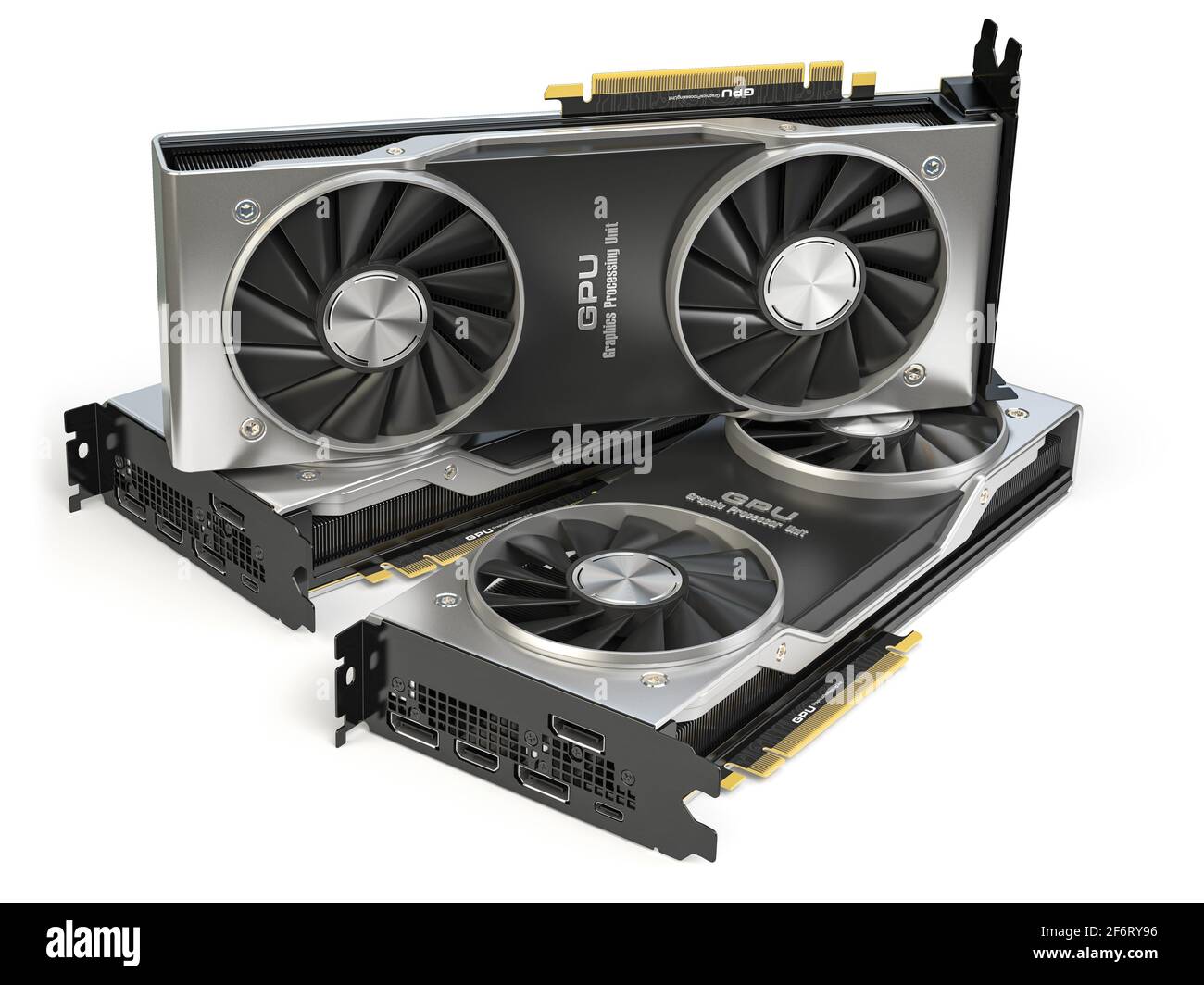
Choosing between an older, high-tier card and a newer, mid-range architecture defines modern PC building compromises. If you're weighing an upgrade or a used market deal, the RTX 3070 Ti and the RTX 5060 Ti represent two totally different eras of efficiency, memory capacity, and pricing. The RTX 3070 Ti relies on brute force and a high power draw from the Ampere generation, whereas the RTX 5060 Ti brings Blackwell architecture, lower power consumption, and options for up to 16GB of VRAM.
The RTX 5060 Ti is the better buy for most users because it offers superior generational efficiency, significantly lower power draw, access to advanced scaling features, and a 16GB variant that avoids the aging 8GB bottleneck plaguing older cards. However, if you find a heavily discounted used RTX 3070 Ti and only play at 1080p, raw rasterization performance remains competitive. Let's break down how these two graphics processors actually stack up in day-to-day gaming, productivity, and system requirements.
Architectural Shifts: Ampere vs. Blackwell
The underlying silicon tells the real story of why these cards behave so differently under load. Released during a period of massive hardware demand, the RTX 3070 Ti uses the GA104 chip built on Samsung's 8nm process. It packs 8GB of GDDR6X memory across a 256-bit bus, which gives it solid raw bandwidth but traps it inside a rigid 8GB capacity limit. That memory ceiling forces compromises in modern titles running high-resolution textures.
By contrast, the RTX 5060 Ti utilizes the Blackwell architecture built on an advanced TSMC process. It comes in both 8GB and 16GB configurations, utilizing faster memory types while operating on a narrower 128-bit bus. While a 128-bit bus sounds restrictive on paper, cache architectural improvements bridge the gap. More importantly, the 16GB model gives your system enough breathing room for modern texture packs and heavy modding without running out of frame buffer.
Raw Performance and Gaming Benchmarks
In traditional rasterized games at 1080p and 1440p, the two cards trade blows depending on the title. The RTX 3070 Ti still punches hard thanks to its wide memory bus and high core count, matching or slightly edging out the 8GB variant of the newer card in specific legacy titles. Yet, once you factor in architectural optimizations, the RTX 5060 Ti pulls ahead by roughly 5% to 15% on average across a modern suite of games.
Where the newer card completely separates itself is feature support. The Blackwell architecture unlocks next-generation upscaling capabilities that aren't fully supported or optimized on Ampere cards. When turning on demanding ray tracing settings, the RTX 5060 Ti maintains higher average frame rates because its dedicated ray tracing cores handle complex light bounce calculations far more efficiently than first-generation implementation.
For a deeper dive into official manufacturer specifications and feature sets, you can check out NVIDIA's official site.
Power Consumption and Thermal Realities
Power efficiency is where the age gap becomes glaring. The RTX 3070 Ti is a notoriously power-hungry card, carrying a Total Board Power rating of 290W. It demands a robust power supply unit—typically 750W minimum—and generates substantial heat inside your chassis, requiring aggressive fan curves and solid case airflow to stay cool.
The RTX 5060 Ti flips this script entirely. Operating at a fraction of that wattage, it typically draws around 180W under full gaming loads. This massive reduction in thermal output means your PC runs quieter, your room stays cooler during long sessions, and you don't need to panic about upgrading your existing power supply if you are transitioning from an older mid-range setup.
To look at independent technical breakdowns and comprehensive hardware validation metrics, visit TechPowerUp.
System Requirements and Upgrading Costs
When calculating the total cost of ownership, look beyond the sticker price of the card itself:
- Power Supply Unit: Upgrading to a 3070 Ti often forces a PSU upgrade if you're currently running a 500W or 600W unit. The 5060 Ti can comfortably run on modest power supplies.
- Case Clearance: The 3070 Ti often launched as a bulky triple-slot card with heavy heatsinks. Many 5060 Ti variants feature compact dual-slot designs that fit easily into smaller form-factor cases.
- PCIe Scaling: The 5060 Ti uses a PCIe 5.0 x8 interface structure. While it works fine on older PCIe 4.0 motherboards with negligible performance loss, it's worth noting for vintage system builders.
Frequently Asked Questions
Is 8GB of VRAM enough if I choose the cheaper model?
For pure 1080p gaming with settings dialed to medium-high, an 8GB card still functions fine. However, modern releases at 1440p routinely exceed 8GB of VRAM usage when texture settings are maxed out. If you want longevity, skip the 8GB versions and look toward the 16GB variant of the 5060 Ti.
Can my 600W power supply handle the RTX 3070 Ti?
Technically, a high-quality 600W unit can boot a system with a 3070 Ti, but voltage spikes under heavy gaming loads can trigger over-current protection shutdowns. NVIDIA recommends a 750W PSU for the 3070 Ti to maintain system stability.
Does the RTX 5060 Ti support older motherboards?
Yes. Even though the card is wired for PCIe 5.0, it is fully backward compatible with PCIe 4.0 and PCIe 3.0 slots on older motherboards. You might lose a tiny fraction of bandwidth, but the impact in actual games is minimal.
Which card is better for video editing and rendering?
The RTX 5060 Ti 16GB model wins decisively for creative workloads. Software like Blender, Premiere Pro, and DaVinci Resolve heavily favor larger frame buffers. Having 16GB of VRAM prevents crashes when working with 4K timelines and complex 3D scenes.



