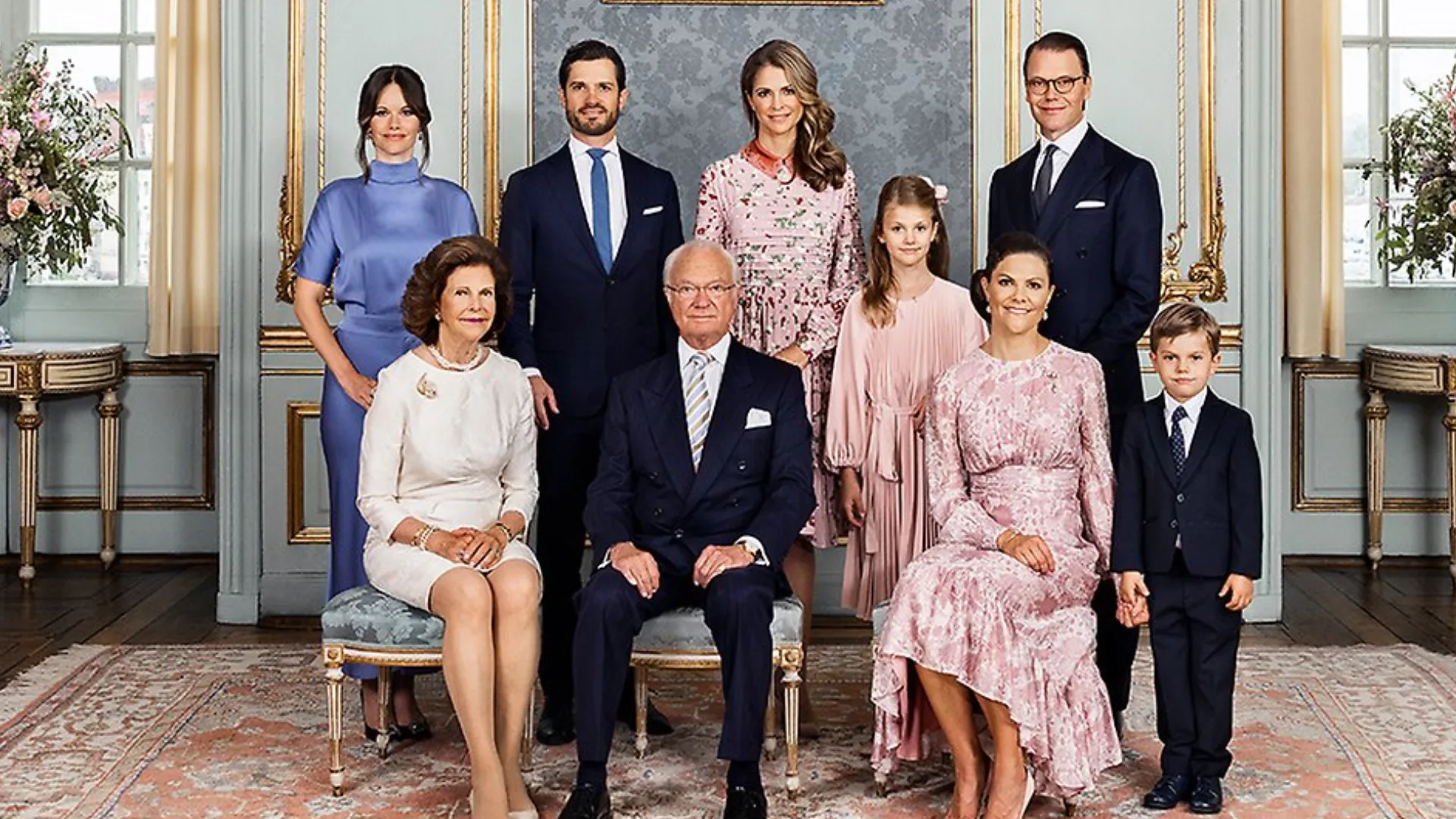
The royal family dance is a codified system of movement, physical positioning, and court protocol designed to project institutional authority. When monarchs and their relatives appear at state banquets, garden parties, or ceremonial processions, every step, bow, and wave follows centuries of strict precedent. Far from being random social customs, these choreographed interactions dictate hierarchy, enforce deference, and maintain the mystique of the crown without a single spoken word.
Understanding this hidden choreography requires examining how European courts transformed basic movement into political leverage. From the strict spatial hierarchy of the Palace of Versailles to the modern carriage processions in London, physical proximity to the sovereign has always represented proximity to power. Today, contemporary royals balance these rigid historical traditions with the demands of modern public relations, creating a carefully managed public performance that preserves stability in an era of intense media scrutiny.
The Evolution of Court Etiquette and Movement
The roots of modern royal protocol stretch back to Renaissance and Baroque European courts, where physical grace and spatial awareness were essential political currency. In absolute monarchies, the court was a theater where nobles competed for the monarch's favor through precise positioning and stylized movement.
During the reign of Louis XIV at Versailles, court life operated like a grand ballet. Every noble had a designated place in the daily routine, known as the étiquette. Where one stood during the king's awakening, known as the lever, or who held the candlestick during the evening coucher, was governed by rigid rules.
- Spatial Proximity: The closer a courtier stood to the monarch, the higher their political standing. Stepping out of turn or occupying an unauthorized space disrupted the entire social order.
- The Minuet as Diplomacy: Formal dances like the minuet served as physical negotiations. The order in which courtiers were invited to dance reflected their standing in the royal favor.
- Bowing and Curtesying: The depth of a bow or curtsy quantified respect, signaling absolute submission to the royal prerogative.
These historical movements established a clear visual language. Over time, as absolute monarchies yielded to constitutional models, the physical display shifted from asserting dominance to projecting continuity, national unity, and accessible dignity.
Public Ceremonies and the Mechanics of State Protocol
Modern public appearances by the royal family rely on precise choreography to ensure security, dignity, and smooth television broadcasts. Events like the State Opening of Parliament or Trooping the Colour function with military-grade precision, where every participant knows their exact timing and placement.
The public-facing choreography relies on several distinct elements:
- The Processional Walk: The measured, deliberate pace used when entering a venue or walking down a red carpet. Royals walk at a controlled speed to allow crowds to see them while maintaining an unhurried air of authority.
- The Controlled Wave: Often called the royal wave, this movement involves keeping the wrist relatively stationary while rotating the forearm. It minimizes fatigue during long processions and avoids overly casual gestures.
- Seating Precedence: At state banquets, seating arrangements follow strict genealogical and diplomatic order. The monarch sits at the center of the head table, with foreign heads of state placed according to international protocol guidelines established by the Royal Household.
These elements ensure that public events reinforce institutional stability. Observers watching a procession witness a seamless display where individual personality is deliberately subdued in favor of collective tradition.
Private Realities Versus Public Performance
Behind closed doors, the rigid choreography of the court softens, giving way to domestic life. However, even private moments within royal residences are influenced by the surrounding institutional framework.
Anthropologists note that growing up in a royal household exposes children to protocol before they fully understand its political implications. Learning how to stand correctly, greet visiting dignitaries, and navigate formal dining rooms begins at an early age. When members of the family interact informally—such as during casual outings or family holidays—they navigate a unique tension between personal affection and public duty.
Modern generations have altered this dynamic by introducing greater informality. Candid photographs, casual clothing during designated engagements, and direct engagement on social media platforms represent an evolution in the royal dance. Rather than abandoning protocol entirely, younger royals use calculated moments of informality to demonstrate relatability while preserving the core structures of the institution.
Frequently Asked Questions
Is there a written rulebook for royal protocol?
There is no single codified rulebook that governs every aspect of royal behavior. Instead, protocol is a vast body of unwritten custom, historical precedent, and institutional memory maintained by officials like the Master of the Household and the Lord Chamberlain's Office.
Do foreign dignitaries have to curtsy or bow to the British monarch?
No rule forces foreign citizens or leaders to bow or curtsy to the British monarch. Protocol is traditionally dictated by custom and personal choice. Many international visitors choose to offer a simple head nod or handshake out of respect for the office.
How do royals learn these complex movements?
Royal children learn protocol through observation and practice from a young age, guided by senior family members and private staff. As they take on official duties, they receive formal briefings on state occasions, diplomatic etiquette, and spatial awareness from experienced courtiers.
Why do royal couples often stand at a distance during public events?
Maintaining slight physical distance during official engagements is a traditional aspect of public protocol. It preserves formal boundaries, ensures clear visibility for photographers and crowds, and keeps the focus on the institutional nature of the event rather than private intimacy.



