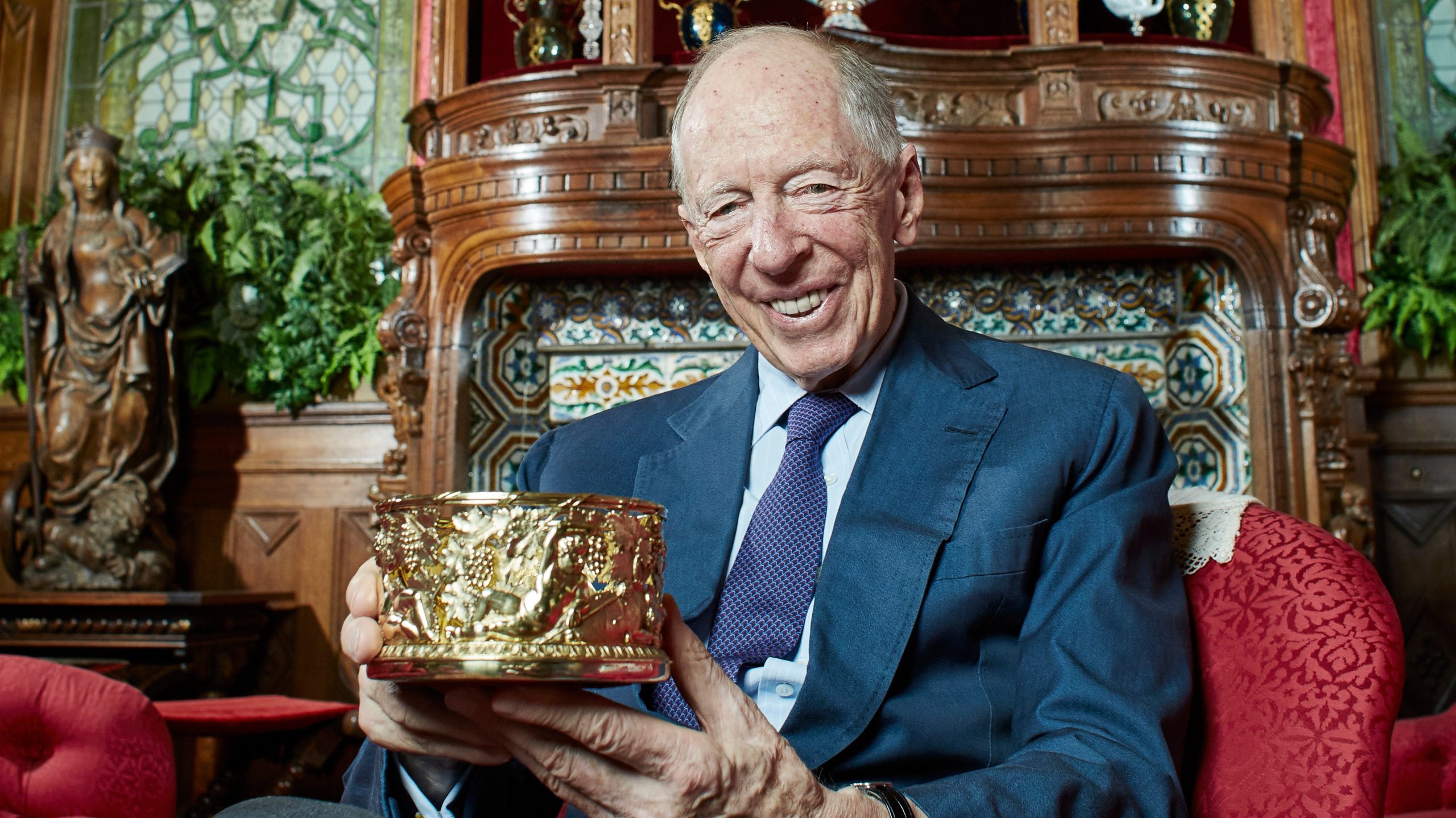
The collective net worth of the Rothschild family is estimated to be around $400 billion, though exact figures remain difficult to pin down due to centuries of fragmented trusts, diverse private holdings, and generational distribution. Rather than operating as a single unified corporation or holding entity owned by one individual, the dynasty functions as a decentralized network of private banks, investment firms, real estate portfolios, and philanthropic foundations.
Understanding how this multi-century financial empire built its fortune requires looking past modern internet myths and examining actual historical records, institutional structures, and surviving business ventures.
Origins of the Rothschild Banking Empire
The foundation of the dynasty was laid in the late 18th century by Mayer Amschel Rothschild in the Frankfurt ghetto. Starting as a coin dealer and merchant, Rothschild built a sophisticated banking business and eventually secured a pivotal position as a court factor to Wilhelm IX, Landgrave of Hesse-Kassel.
Mayer Amschel strategically placed his five sons into the financial centers of Europe—Frankfurt, London, Vienna, Naples, and Paris. This international network allowed the family to move capital, execute cross-border arbitrage, and transmit political and financial intelligence faster than anyone else of their era.
The Five Branches and the Napoleonic Wars
The family's rise to international prominence accelerated during the Napoleonic Wars. Nathan Mayer Rothschild, operating out of London, coordinated the financing of British military campaigns across Europe. By establishing an advanced courier network, the London branch managed to move gold and funds through blockades and war zones with unprecedented efficiency.
By the mid-19th century, the family functioned essentially as a private central bank for European sovereigns, funding national debts, railway networks, and large-scale industrial projects like the Chemin de Fer du Nord and the Rio Tinto mining enterprise.
How the Wealth is Distributed Today
Modern estimates placing the family fortune at hundreds of billions of dollars account for descendants spread across multiple branches, marriages, and jurisdictions. Because the wealth has been divided among hundreds of heirs over more than two centuries, no single individual holds the entire sum.
Rothschild and Co and Private Banking
The operational core of the modern financial footprint is anchored by Rothschild & Co, a multinational financial services firm specializing in investment banking, restructuring, and private wealth management. Unlike publicly traded Wall Street giants with massive retail banking operations, Rothschild institutions focus on advisory roles for corporations, governments, and ultra-high-net-worth individuals.
Vineyards and Real Estate
Beyond financial services, the family maintains substantial physical assets. The Edmond de Rothschild Group manages multi-billion-dollar private equity and asset management funds. Furthermore, various family members own historic European estates, art collections, and prestigious winemaking properties, including Château Lafite Rothschild in Bordeaux, which remains one of the most valuable agricultural and commercial wine portfolios in the world.
Common Misconceptions Regarding the Dynasty
Popular media and internet forums frequently inflate the family's financial standing, sometimes claiming net worths in the tens of trillions or alleging secret control of global monetary policy. These claims misinterpret how modern finance functions.
- Fragmented Ownership: The original banking houses split into distinct British and French branches, among others, which often operated independently or competed against each other.
- Client Assets vs. Family Wealth: Large asset management figures associated with the family's firms represent capital managed for institutional investors and clients, rather than personal bank accounts belonging to family members.
- Regulatory Oversight: Modern Rothschild financial entities operate under strict international banking regulations, anti-money laundering laws, and public financial disclosures where applicable.
Frequently Asked Questions
Is the Rothschild family still the richest in the world?
No. While they remain among the wealthiest historical dynasties, modern wealth rankings compiled by publications like Forbes place contemporary technology founders, modern industrialists, and sovereign wealth funds far ahead of historic banking families.
Who leads the Rothschild banking group today?
Leadership is distributed across various branches. For instance, Ariane de Rothschild serves as the CEO of the Edmond de Rothschild Group, while other family members manage philanthropic trusts and advisory boards.
What happened to the American branch of the family?
While individual family members have lived or invested in the United States, the core banking operations remained historically rooted in European capitals like London and Paris. American expansion occurred primarily through strategic partnerships rather than establishing dominant retail banks in the US.



