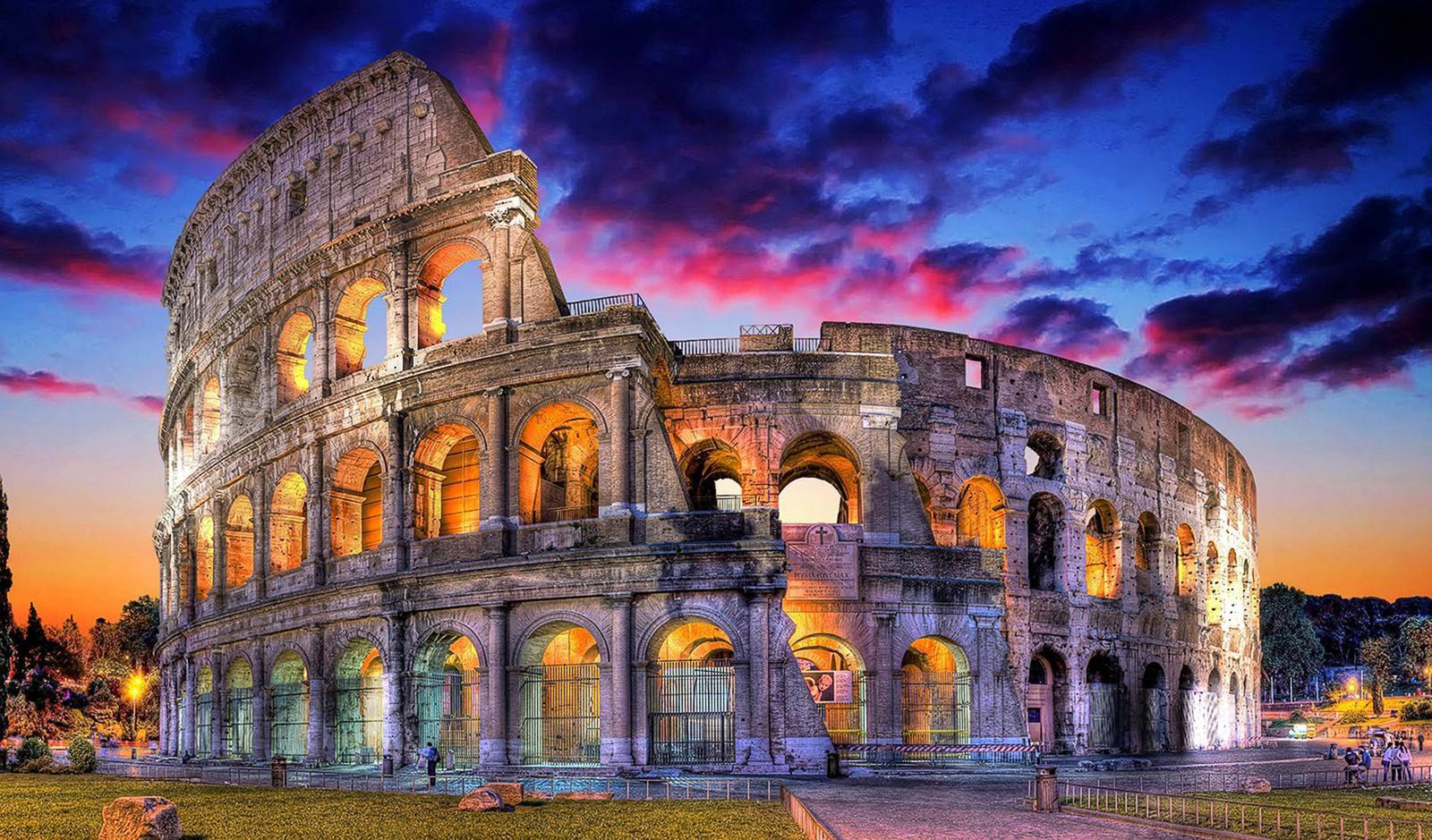
Rome isn't just a city; it's a living archive where every piazza, cobblestone alley, and ancient ruin tells a story spanning nearly three millennia. As the capital of Italy, it bridges a monumental past with the pulse of modern European life. Whether you're navigating the sprawling ruins of the Roman Forum or sipping an espresso at a neighborhood café, understanding Rome requires looking past the tourist brochures and grasping how ancient foundations shape daily life today.
The Foundation: Ancient History and Monumental Architecture
The story of Rome begins on the Palatine Hill, where legend and archaeology intersect. Founded according to tradition in 753 BCE, the settlement grew from a cluster of hilltop villages into the heart of the Roman Republic and later the vast Roman Empire. This empire at its peak dictated law, engineering, and culture across three continents.
Physical remnants of this dominance still define the city's skyline. The Colosseum, originally known as the Flavian Amphitheatre, stands as the ultimate symbol of imperial engineering and public entertainment. Completed in 80 CE, it seated over 50,000 spectators who gathered for gladiatorial games and public spectacles. Just a short walk away, the Roman Forum served as the political, religious, and commercial hub of the ancient world. Walking among these broken marble columns and triumphal arches offers a tangible sense of the scale that once commanded the Mediterranean.
Engineering triumphs extended far beyond the city center. The Colosseum archaeological site official information details how ancient builders utilized concrete and the arch to create enduring structures like the Pantheon, which boasts the world's largest unreinforced concrete dome. These innovations weren't just architectural; they were statements of permanence designed to outlast empires.
The Papal Legacy: Vatican City and Renaissance Rome
As the Roman Empire faded, a new power structure emerged to shape the city's destiny: the Papacy. Rome transformed from the political capital of the ancient world into the spiritual epicenter of Catholicism. This transition brought a second wave of monumental architecture and artistic mastery, heavily defining the city's aesthetic during the Renaissance and Baroque periods.
Inside Rome sits Vatican City, an independent microstate and the headquarters of the Roman Catholic Church. The Vatican houses immense cultural treasures, notably St. Peter's Basilica and the Vatican Museums. Michelangelo's ceiling frescoes in the Sistine Chapel and Raphael's rooms represent the pinnacle of High Renaissance art. To plan a visit to these sites, consult the Vatican Museums official portal for ticketing and conservation guidelines.
The Baroque era further reshaped Rome's urban landscape through grand piazzas and theatrical fountains. Gian Lorenzo Bernini and Francesco Borromini competed to design landmarks like the Trevi Fountain and the Piazza Navona, turning public spaces into outdoor galleries. This layering of medieval fortifications over ancient foundations, capped by Renaissance and Baroque facades, gives Rome its distinct visual complexity.
Neighborhoods and Modern Daily Life
Beyond the historic monuments, Rome is a bustling metropolis of nearly three million residents distributed across diverse neighborhoods, or rioni. Life here moves at a pace dictated as much by modern commuting and commerce as by historical reverence.
- Trastevere: Located on the west bank of the Tiber River, this neighborhood retains a village-like atmosphere with ivy-draped townhouses, narrow alleys, and a vibrant nightlife scene centered around Piazza di Santa Maria in Trastevere.
- Testaccio: Known as the historic working-class heart of Rome and the birthplace of traditional Roman cuisine, Testaccio features bustling food markets and a gritty, authentic urban energy.
- Prati: Situated near the Vatican, Prati offers a grid-like contrast to the winding medieval center, featuring upscale shopping streets like Via Cola di Rienzo and elegant 19th-century residential architecture.
- Monti: Tucked between the Colosseum and the Via Nazionale, Monti blends bohemian artisan shops, vintage boutiques, and traditional trattorias with a hip, community-focused vibe.
Public transportation relies on an extensive network of buses, trams, and two main metro lines (Line A and Line B), complemented by a growing push toward pedestrian zones in the historic center. Daily life revolves around the rhythm of the bar, where locals stand at the counter for a quick espresso and a cornetto, and the evening passeggiata—the traditional stroll through the piazza before dinner.
Culinary Traditions: The Pillars of Roman Cuisine
Roman food is deeply rooted in cucina povera—peasant cooking that relies on simple, high-quality ingredients, offal, and seasonal vegetables. Far from heavy cream sauces, authentic Roman cooking is defined by precise technique and bold flavors.
The city's culinary identity rests on four iconic pasta dishes:
- Carbonara: A rich blend of guanciale (cured pork cheek), pecorino romano cheese, fresh eggs, and black pepper. No cream ever touches a traditional carbonara.
- Cacio e Pepe: Minimalism on a plate, requiring only pecorino romano, black pepper, and starchy pasta water emulsified into a creamy sauce.
- Amatriciana: Tomato sauce flavored with crispy guanciale, pecorino, and a touch of chili.
- Gricia: Essentially carbonara without the eggs, or Amatriciana without the tomatoes.
Beyond pasta, dishes like Carciofi alla Giudia (Jewish-style fried artichokes) and Saltimbocca alla Romana (veal cutlets with sage and prosciutto) highlight the multicultural influences that have shaped Rome's kitchen over centuries.
Common Mistakes to Avoid When Visiting Rome
Travelers often stumble when encountering Rome's unique rhythms and unwritten rules. Avoiding these common missteps ensures a smoother experience:
- Rushing the itinerary: Trying to see every church and museum in two days leads to burnout. Rome demands slow exploration on foot.
- Dining near major tourist traps: Restaurants directly facing the Colosseum or the Trevi Fountain often charge high prices for mediocre, reheated food. Walk three blocks away into side streets for authentic local spots.
- Ignoring local dining hours: Lunch typically runs from 1:00 PM to 3:00 PM, and dinner rarely starts before 8:00 PM or 8:30 PM. Showing up at 6:00 PM means eating alone or finding locked doors.
- Dressing inappropriately for churches: Both men and women must cover their shoulders and knees when entering religious sites like St. Peter's Basilica, or security will turn you away.
Frequently Asked Questions
What is the best time of year to visit Rome?
Spring (April to May) and autumn (September to October) offer pleasant weather with manageable crowds. Summer temperatures often exceed 35°C (95°F), and many local businesses close in August for annual holidays.
Do I need to rent a car to get around Rome?
No. Renting a car in Rome is generally discouraged due to restricted traffic zones (ZTL), aggressive local driving habits, and scarce parking. The historic center is remarkably walkable, and the public transit network covers longer distances effectively.
Is tap water safe to drink in Rome?
Yes. Rome's public water supply is clean, cold, and entirely safe. The city features thousands of public drinking fountains known as nasoni (big noses), where travelers can freely refill water bottles.
How many days are needed to see Rome properly?
A minimum of four to five days allows you to cover major historical sites, explore distinct neighborhoods, and enjoy the local food culture without rushing.



