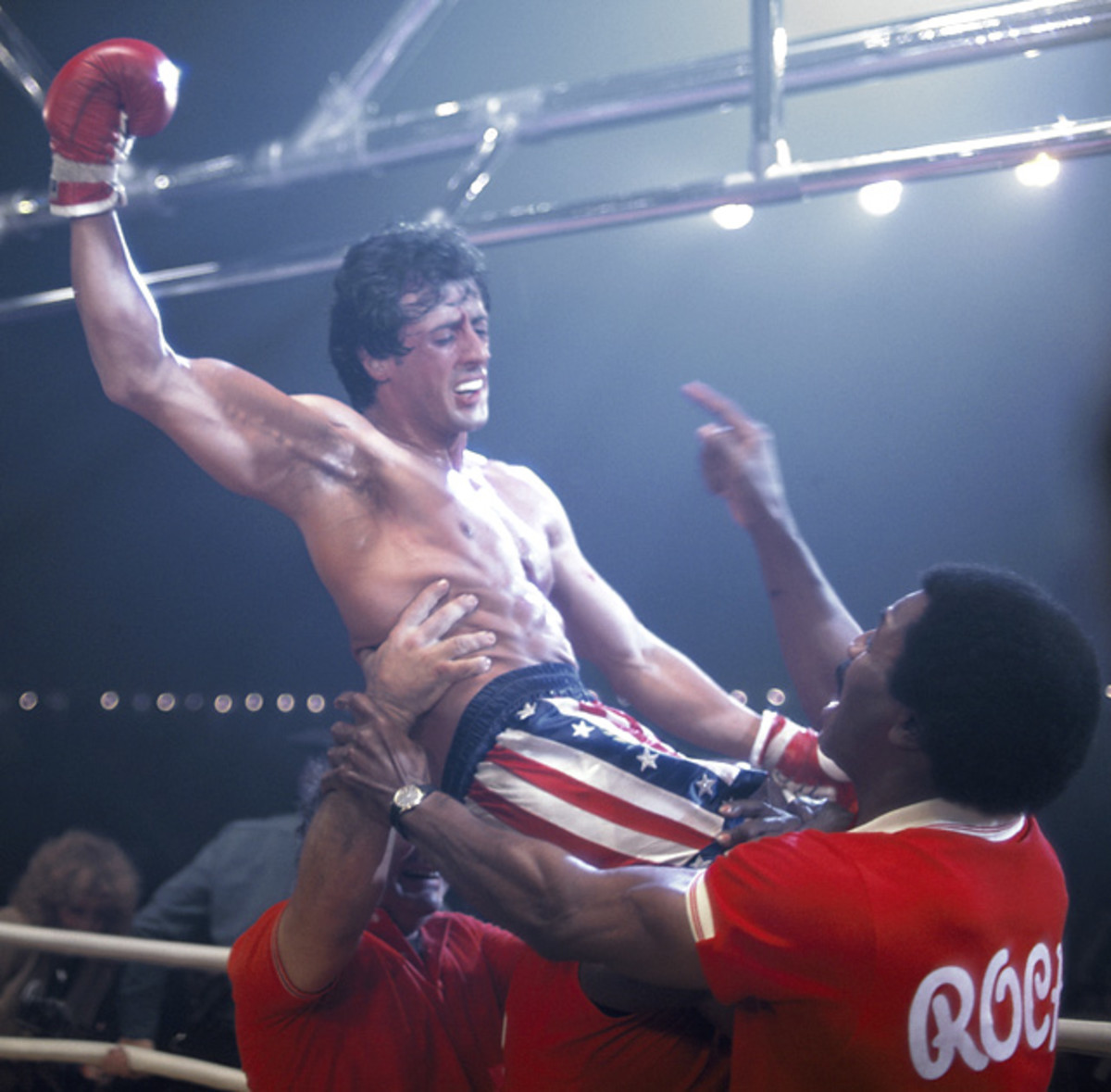
When Sylvester Stallone wrote an underdog boxing script in the mid-1970s, Hollywood had no idea it was launching one of the most enduring cinematic properties in history. The franchise spans multiple decades, capturing the raw grit of Philadelphia streets, international Cold War showdowns, and the modern torch-passing of the Creed series. Organizing this extensive collection requires looking past simple release dates to understand how the character's narrative evolved across generations.
The Foundation: The Original Rocky Era (1976-1985)
The initial run of films established the template for sports drama cinema.
- Rocky (1976): A low-budget character study written by and starring Stallone as a small-time debt collector and club fighter. When heavyweight champion Apollo Creed (Carl Weathers) grants him an exhibition shot, Rocky aims simply to go the distance.
- Rocky II (1979): Following his narrow loss, Rocky struggles with domestic life and financial reality before accepting a grueling rematch against Creed, culminating in a dramatic late-round shift.
- Rocky III (1982): Wealth and complacency take a toll after several title defenses. Following a devastating loss to the ferocious Clubber Lang (Mr. T) and the tragic loss of his trainer Mickey (Burgess Meredith), Rocky learns to regain his primal hunger with unexpected help from Apollo.
- Rocky IV (1985): A stylistic peak defined by Cold War tensions. After powerhouse Soviet amateur Ivan Drago (Dolph Lundgren) kills Apollo in an exhibition bout, Rocky journeys to Siberia for a brutal Christmas Day retribution match in Moscow.
Transition and Revival: Later Chapters (1990-2006)
As Stallone aged, the series shifted from bombastic spectacle back toward grounded character reflection.
- Rocky V (1990): A sudden financial ruin forces Rocky out of retirement and back to his old neighborhood in South Philadelphia. He takes on a young, ungrateful protégé, Tommy Gunn, exploring the dangerous cost of neglecting one's own family for boxing glory.
- Rocky Balboa (2006): Widely seen as an artistic redemption for the series after a long hiatus. An aging, widowed Rocky runs a local Italian restaurant in Philadelphia and steps into the ring for one final, bittersweet exhibition bout against the reigning heavyweight champion, Mason Dixon.
The Modern Era: The Creed Spin-off Series (2015-2023)
Rather than letting the property fade, filmmakers successfully shifted focus to the next generation while keeping the emotional anchor intact.
- Creed (2015): Directed by Ryan Coogler, this entry follows Adonis Johnson, the illegitimate son of Apollo Creed. Adonis travels to Philadelphia to convince an older Rocky to step out of retirement and train him, bridging the legacy gap.
- Creed II (2018): Adonis faces the ultimate test when he battles Viktor Drago, the son of Ivan Drago, forcing both Creed and Balboa to confront generational trauma tied directly to the events of Rocky IV.
- Creed III (2023): Marking Michael B. Jordan's directorial debut, this chapter focuses on Adonis confronting a childhood friend and former boxing prodigy fresh out of prison, testing whether the protagonist can outrun his past without stepping back into the ring.
Common Pitfalls When Organizing a Rocky Watch Party
When assembling these films for a marathon or building a digital archive, viewers often run into predictable roadblocks.
- Ignoring the transition to Creed: Some viewers stop after Rocky Balboa, missing how organically the Creed trilogy extends the central universe. The thematic development doesn't end with Stallone hanging up his gloves; it evolves through his role as a trainer and mentor.
- Confusing the chronological and release order: Fortunately, the release order and chronological timeline match up perfectly. You don't have to worry about complex prequels or flashbacks disrupting the narrative flow; watching them by release year preserves every character evolution naturally.
- Overlooking aspect ratio and format changes: Older entries transition from 1970s grainy 1.85:1 aesthetics to glossy 1980s studio blockbusters, and finally to modern digital cinematography in the Creed films. Expect visual shifts as you move through the decades.
Frequently Asked Questions
Should I watch the director's cuts of Rocky IV?
Sylvester Stallone released Rocky vs. Drago: The Ultimate Director's Cut in 2021, altering several scenes, trimming comedic elements, and restructuring the narrative tone of the 1985 classic. For first-time viewers, the original theatrical cut represents the cultural phenomenon as it aired, while the director's cut offers a tighter, more modern pacing favored by Stallone himself.
Is Rocky V considered canon?
Yes. Despite initial mixed reactions from fans and critics regarding its plot choices, Rocky V remains part of the official timeline. Subsequent films like Rocky Balboa and the Creed series explicitly reference events, injuries, and emotional scars stemming from this entry.
Why isn't Clubber Lang featured in the Creed sequels?
While Ivan Drago returns through his son Viktor in Creed II, Mr. T's character Clubber Lang does not appear in the modern spin-offs. His storyline concluded cleanly in Rocky III after his defeat, and the narrative focus shifted toward legacy characters tied directly to Apollo Creed's lineage.
How long does it take to watch all the movies back-to-back?
If you marathon all nine feature films—spanning the original six Rocky entries and the three Creed movies—you'll need roughly 18 to 20 hours of continuous screen time. Planning a weekend viewing schedule is usually necessary to absorb the full scope of the narrative.



