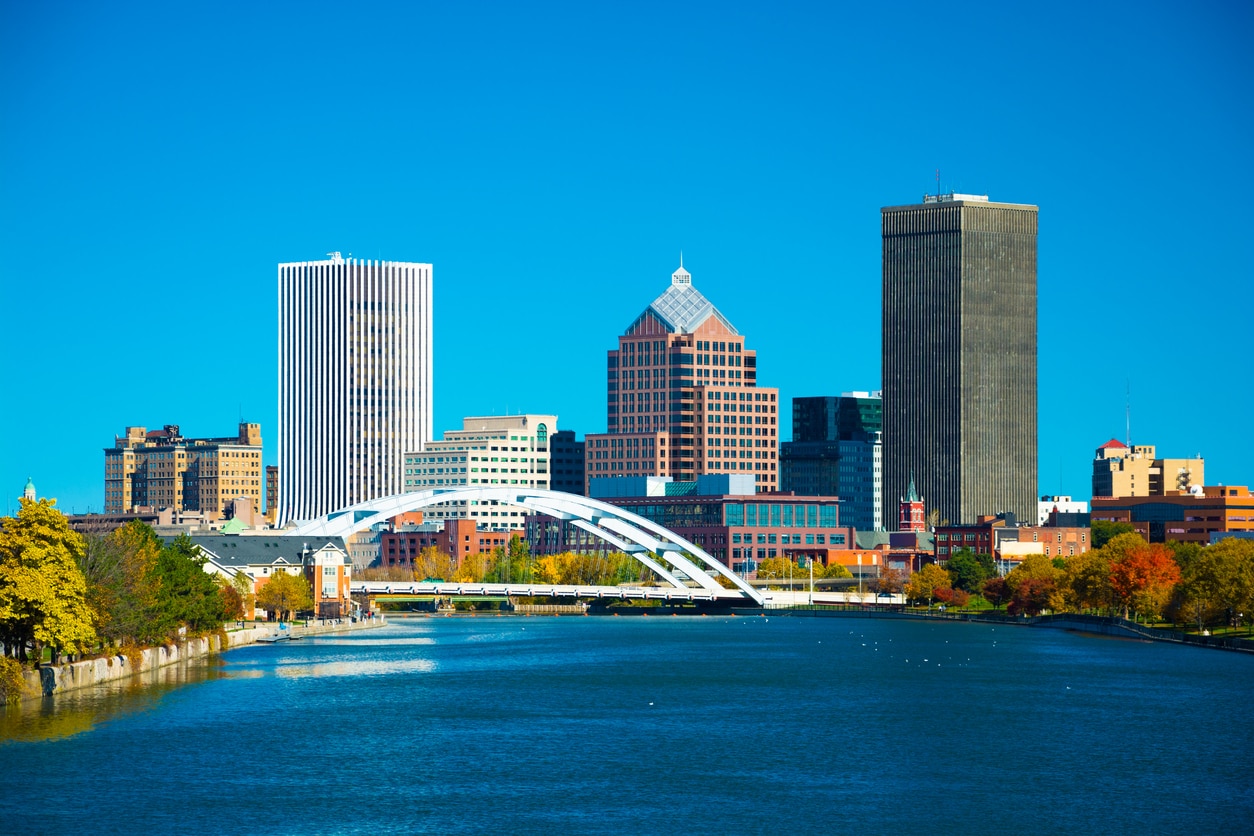
The food culture in New Hampshire's Seacoast region has long been defined by coastal seafood shacks and historic Portsmouth taverns. Inland hubs like Rochester often sat quietly in the background, known more for mill heritage than high-end gastronomy. That landscape is shifting quickly. A new wave of culinary establishments is redefining what local diners expect from a night out, turning the Lilac City into an unexpected destination for food enthusiasts.
At the heart of this evolution is a deliberate move away from generic menus toward hyper-local sourcing, creative cocktail programs, and thoughtful atmosphere design. Downtown Rochester is seeing independent operators breathe new life into historic brick storefronts, bringing concepts that used to require a trip to Portsmouth or Portland right to Main Street. If you haven't checked out the local dining options lately, you'll find a scene that prioritizes craftsmanship and community over cookie-cutter comfort food.
The Shift Toward Elevated Local Dining
For decades, dining out in inland Strafford County usually meant reliable comfort food, classic steakhouses, or casual pizza joints. While those neighborhood staples still hold a cherished place in the community, diner expectations have matured. Diners want to know where their ingredients come from, how their spirits are distilled, and how a chef interprets regional New England traditions through a modern lens.
This shift isn't about replacing casual eateries with stuffy, white-tablecloth restaurants. Instead, it's about elevation. Places like The Scenic Lounge in downtown Rochester demonstrate this balance by offering curated craft cocktails and elevated small plates inside a polished, vintage-inspired atmosphere. Diners are looking for spaces that offer an experience—a place where a Tuesday night drink feels just as intentional as a weekend celebration. For another angle on this event, refer to the latest coverage from Reuters.
Key Drivers of the Rochester Culinary Revival
Several distinct factors explain why Rochester's food scene is punching above its weight class. Independent restaurateurs are recognizing that diners are willing to travel for quality, provided the value matches the experience.
- Historic Architecture Reuse: Downtown Rochester features classic 19th-century brick commercial buildings. Creative operators are converting these spaces into moody cocktail dens, intimate bistros, and open-kitchen concepts that rival urban dining rooms.
- Farm and Coast Partnerships: Chefs across the Seacoast maintain close ties with Seacoast growers and regional fisheries, ensuring seasonal menus that shift dynamically throughout the year.
- Beverage Integration: Craft beer culture in New Hampshire is robust, but local spots are pairing regional brews with bespoke cocktail programs, utilizing house-made syrups, fresh citrus, and top-tier spirits.
- Community-First Hospitality: Unlike saturated tourist markets on the coast, Rochester establishments build fiercely loyal local followings, allowing chefs to take creative risks on experimental menu features.
What Defines the New Seacoast Dining Standard
Redefining fine dining isn't just about charging high prices or plating food with tweezers. In modern New England, true culinary leadership is measured by execution, sourcing transparency, and atmosphere. When a kitchen makes its dough from scratch using local craft beer or infuses simple bar bites with complex, global flavor profiles, it elevates the entire local ecosystem.
Guests are seeking authenticity. They want to talk to bartenders who understand cocktail provenance and sit in dining rooms where the lighting, acoustics, and service work in harmony. This attention to detail bridges the gap between casual neighborhood pubs and high-end gastronomic destinations.
Navigating the Evolving Local Food Landscape
Exploring a growing food scene requires a slightly different approach than visiting established metropolitan dining hubs. Because many of these newer spots operate independently, hours can fluctuate seasonally, and reservations or call-ahead seating options are often essential.
If you're planning an evening out in the area, look beyond standard review aggregates. Follow local kitchens on social media to catch unannounced seasonal menu drops, specialty chef pairings, or limited cocktail releases. Engaging directly with the staff is often the best way to understand what's fresh and inspired on any given night.
Frequently Asked Questions
Is Rochester, NH becoming a major dining destination?
While it won't replace Portsmouth as the primary coastal tourist hub, Rochester has emerged as an exciting inland culinary pocket. It offers lower overhead for creative chefs, which translates to inventive menus without the downtown coastal price inflation.
What kind of cuisine dominates the area?
The culinary identity blends traditional New England comfort staples—like fresh seafood and hearty grill items—with modern American small plates, artisan pizza, and craft cocktail lounge offerings.
Do I need reservations for fine dining or upscale lounges in Rochester?
It depends on the day of the week. While casual spots accommodate walk-ins easily, newer downtown cocktail lounges and popular weekend seating times fill up fast. Utilizing call-ahead seating or booking online when available is strongly recommended.
How does Rochester's food scene compare to Portsmouth's?
Portsmouth remains the heavy hitter for high-end dining on the Seacoast, but Rochester offers a more relaxed, neighborhood-centric atmosphere. You get high-caliber culinary creativity without the parking hassles and dense crowds.



