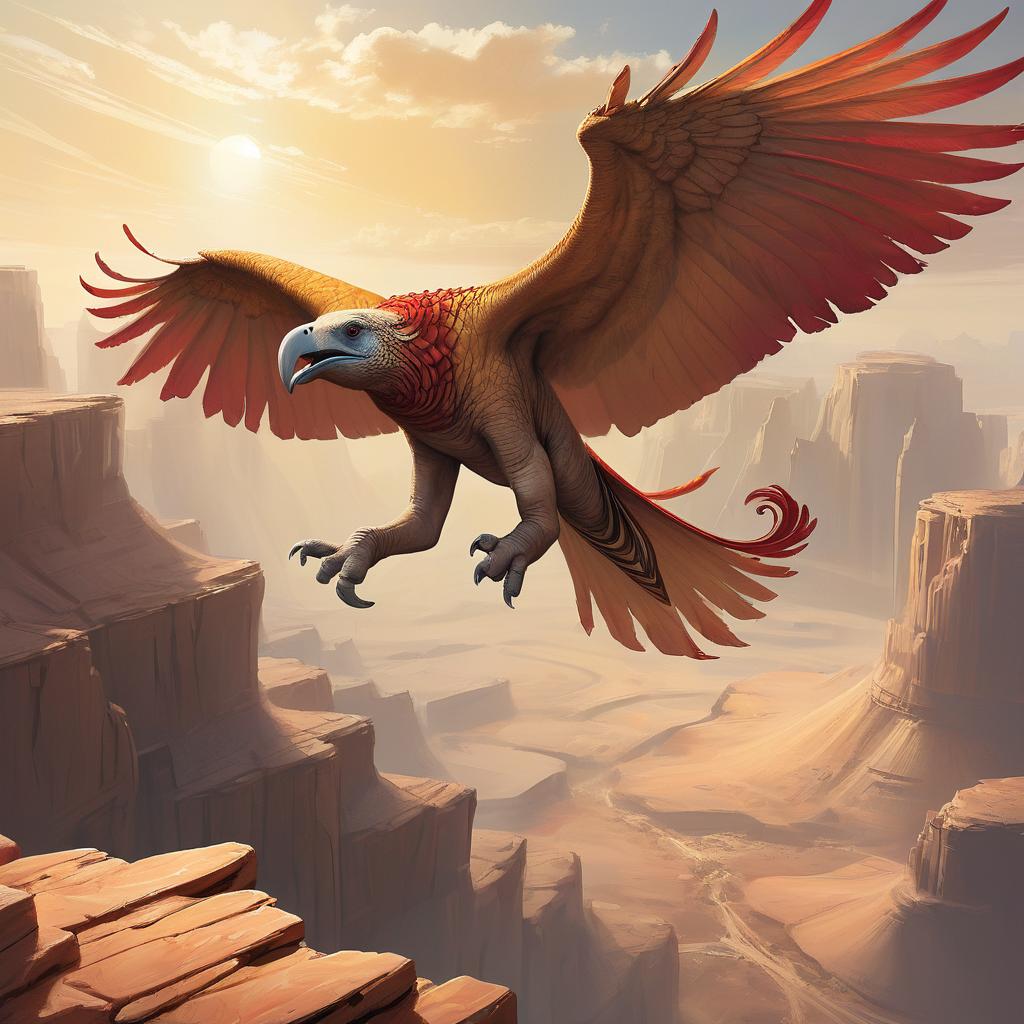
Roc and Shay represent a shift in digital media, combining technical discipline with creative storytelling. Their work addresses a common challenge in modern design: how to maintain genuine artistic expression while using advanced software and distributed workflows.
Modern digital creation often favors speed over substance, leaving audiences with repetitive visual templates. Roc and Shay counter this by treating every project as an exploration of narrative depth, blending structural precision with open-ended experimentation. This approach influences how independent creators build collaborative pipelines today.
The Foundations of Modern Digital Artistry
True digital craftsmanship requires more than surface-level familiarity with editing tools or generative suites. It demands an understanding of composition, color theory, and historical context translated into pixel-based mediums.
When creators rely solely on presets, their work lacks distinction. Roc and Shay focus on custom-built assets and iterative design phases. This ensures that every visual output carries a unique signature. More journalism by Bloomberg explores similar views on this issue.
- Technical Rigor: Mastering software architecture, vector mathematics, and color profiles before breaking rules.
- Conceptual Clarity: Establishing the core message of a piece before opening any design application.
- Iterative Refinement: Discarding initial drafts to find the strongest underlying structure.
Unmatched Collaboration Models
Traditional creative teams often struggle with silos, where illustrators, developers, and writers work in isolation. Roc and Shay operate under a shared-vision framework that breaks down these traditional boundaries.
By integrating their skill sets early in the production cycle, they avoid the friction typical of hand-off workflows. One partner typically anchors the conceptual direction while the other drives technical execution, yet their roles frequently overlap during critical phases.
"Collaboration isn't about dividing tasks; it's about merging perspectives until the final piece reflects neither individual fully, but something entirely new."
This dynamic allows them to handle complex multimedia projects efficiently. Studios looking to replicate this success must foster open communication channels and establish mutual trust across different creative disciplines.
Workflow Strategies for Creators
Adopting a vision-driven approach to digital media requires specific operational shifts. Creators can implement several practical steps to elevate their output:
- Define Core Constraints: Set strict visual and thematic boundaries at the start of a project to prevent scope creep and unfocused aesthetics.
- Cross-Train Continuously: Designers should learn basic scripting or motion principles, while technical artists should study core design principles.
- Establish Feedback Loops: Share work-in-progress drafts at regular intervals with trusted peers to catch conceptual flaws early.
- Prioritize Original Assets: Build custom textures, brushes, and vectors rather than relying on stock libraries.
Common Mistakes in Digital Art Partnerships
Many creative partnerships fail because they lack clear operational guidelines. Understanding these pitfalls helps teams build resilient workflows:
- Vague Role Divisions: Assuming shared responsibility without defining accountability leads to missed deadlines and creative stagnation.
- Ignoring Technical Limits: Pushing hardware or software past practical thresholds without a backup plan causes project delays.
- Chasing Algorithmic Trends: Mimicking viral styles sacrifices long-term brand identity for short-term visibility.
For deeper insights into how digital creators navigate copyright and decentralized ownership models, explore the Algorand Foundation Governance guide or read about creative industry shifts on TechCrunch. To understand how visual standards evolve across modern platforms, review guidelines from Adobe.
Frequently Asked Questions
What makes Roc and Shay's approach different from traditional design teams?
They utilize a highly integrated workflow where technical execution and conceptual vision happen simultaneously, rather than in sequential hand-offs. This reduces miscommunication and results in cohesive media output.
How can independent creators build better collaborative habits?
Focus on transparent communication, establish clear boundaries for decision-making, and ensure both parties have editorial input across all stages of production.
Why is custom asset creation emphasized over stock libraries?
Custom assets ensure that the final piece has a distinct visual identity, preventing the generic aesthetic common in projects that rely heavily on pre-made templates.
How do creators balance technical mastery with artistic intuition?
Technical mastery provides the tools to execute an idea cleanly, while intuition guides the emotional resonance of the piece. Creators must practice both deliberately to grow.



