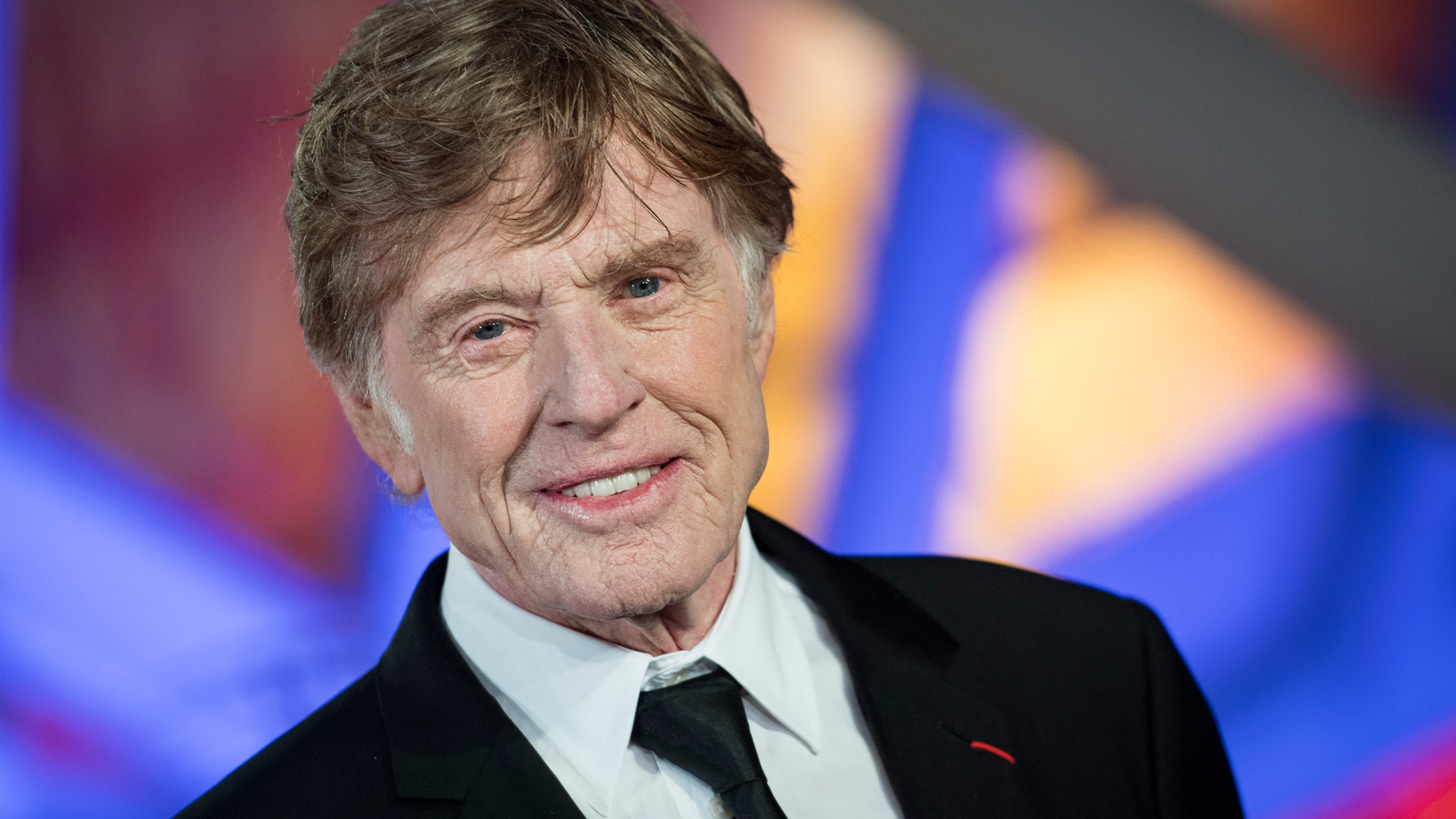
Robert True Houghton reshaped modern conservation by bridging rigorous ecological science with practical land management. His work fundamentally challenged how humanity approaches habitat restoration, resource allocation, and long-term ecological balance. Instead of viewing conservation as a reactive measure, Houghton argued that environmental frameworks must integrate economic realities and scientific data from the ground up.
Understanding Houghton's philosophy requires examining how twentieth-century conservation shifted from aesthetic preservation toward systematic environmental management. His core contributions continue to influence global policies today, offering critical lessons for modern ecological challenges.
The Evolution of Conservation Philosophy
Mid-century conservation efforts frequently focused on isolated wilderness protection rather than systemic ecological health. National parks and wildlife reserves were established to preserve scenic beauty, yet they often functioned independently of surrounding industrial pressures. Houghton recognized that protecting patches of land meant nothing if the underlying ecological systems remained fractured.
He argued that nature isn't a static museum exhibit. Instead, ecosystems function as dynamic networks where human activity, climate cycles, and biological diversity continuously interact. This perspective forced scientists and policymakers to re-evaluate how land use policies impact regional water sheds, soil composition, and migratory corridors.
Bridging Theory and Applied Science
A central tenet of Houghton's thought was the rejection of abstract environmentalism divorced from field realities. He famously noted that science without practical application remains mere curiosity.
To move from theory to action, Houghton championed several key operational shifts:
- Evidence-Based Metrics: Emphasizing quantitative data over emotional appeals when arguing for land protections.
- Interdisciplinary Collaboration: Bringing engineers, ecologists, and economists into the same planning room before initiating large-scale land developments.
- Long-Term Monitoring: Establishing multi-year tracking systems to measure the actual recovery rates of degraded habitats.
These methods laid the groundwork for modern environmental impact assessments, ensuring that development projects account for cumulative ecological degradation rather than immediate aesthetic disruption.
Adaptive Management and Resource Allocation
Houghton's framework introduced early iterations of adaptive management. He recognized that natural systems are inherently unpredictable, meaning rigid, static conservation plans often fail when confronted with climate shifts or unexpected industrial stress.
Instead, he advocated for iterative evaluation. Conservation strategies had to be treated as ongoing experiments where policies adapt dynamically based on empirical monitoring outcomes. If a specific wetland restoration project failed to hit its biological targets within a defined window, the management team was expected to alter the approach rather than double down on a failing protocol.
Addressing Economic Realities
One reason earlier conservation movements struggled to gain traction with industrial leaders was their tendency to alienate economic stakeholders. Houghton addressed this friction by reframing conservation not as an obstacle to progress, but as a prerequisite for sustainable economic survival.
He demonstrated that depleted fisheries, exhausted agricultural soils, and deforested watersheds ultimately destroy the economic engines dependent upon them. By framing environmental protection as asset management, he helped bridge the gap between corporate planners and conservationists.
Lasting Impact on Modern Environmental Frameworks
The legacy of Robert True Houghton endures in the structural frameworks governing modern conservation. Contemporary initiatives dealing with biodiversity loss and climate resilience frequently rely on the exact integration of empirical science and adaptable policy that he championed decades ago.
Agencies and organizations seeking to build effective sustainability programs often look back to these foundational principles to avoid common pitfalls:
- Failing to align short-term political goals with long-term ecological realities.
- Neglecting baseline data collection before launching restoration projects.
- Isolating environmental policy from the communities whose livelihoods depend on local natural resources.
By treating ecological preservation as an exact, evolving science, Houghton ensured that modern environmentalism moved past mere sentimentality into the realm of actionable, systemic strategy.
Frequently Asked Questions
What was Robert True Houghton's primary contribution to conservation?
He successfully bridged the gap between theoretical ecology and practical land management, pioneering frameworks that relied on empirical data, adaptive management, and economic integration.
Why did Houghton emphasize adaptive management?
He recognized that ecosystems are dynamic and unpredictable, meaning static conservation plans frequently fail when faced with environmental changes or unexpected stressors.
How did Houghton influence modern environmental impact assessments?
His insistence on quantitative metrics and long-term monitoring helped establish the structural baseline for evaluating how industrial projects impact regional ecosystems over time.
Why is interdisciplinary collaboration important in Houghton's framework?
Houghton believed that effective conservation requires input from ecologists, economists, and engineers simultaneously to ensure environmental protection plans remain viable and realistic in the real world.



