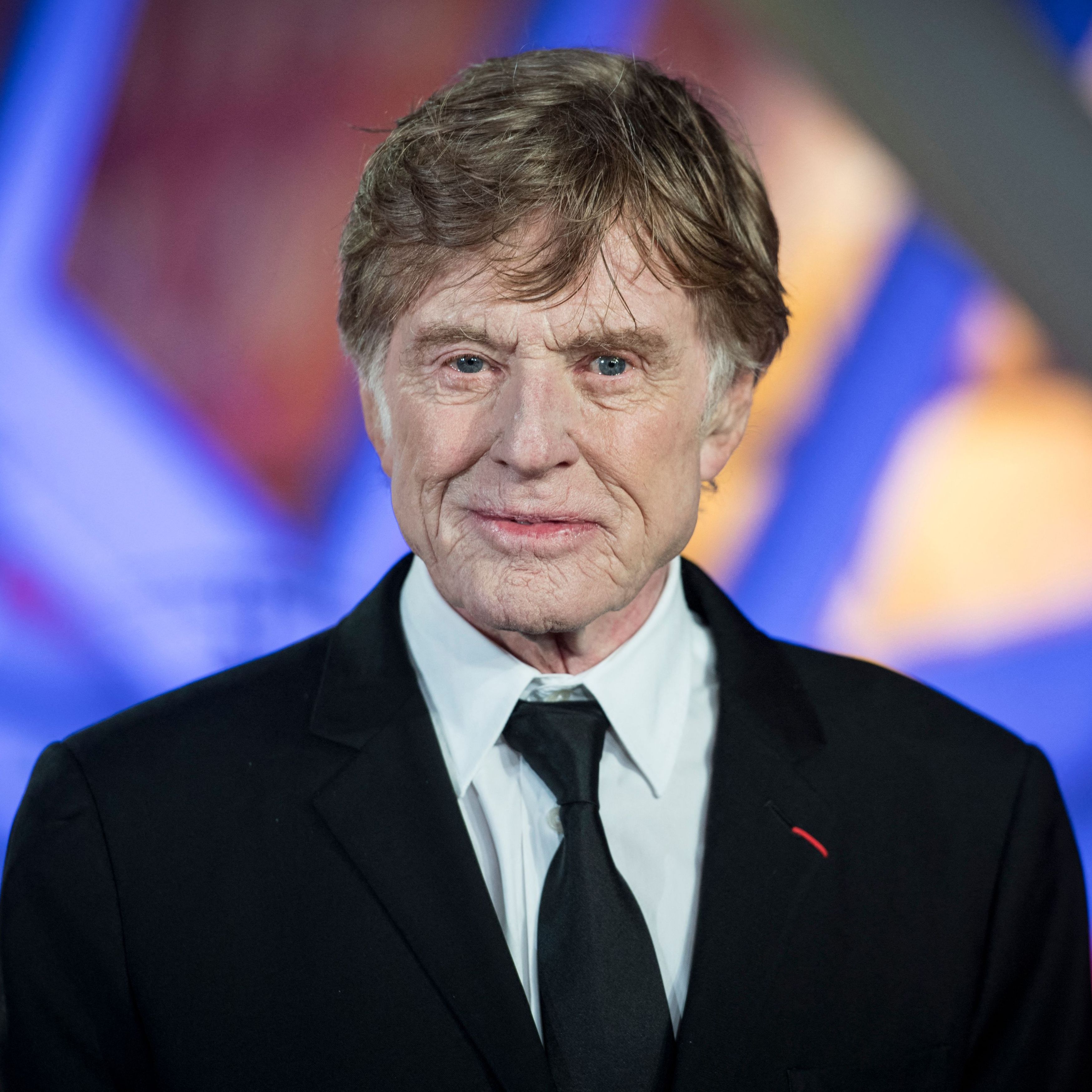
Robert Reed is permanently etched into television history as Mike Brady, the architectural patriarch of The Brady Bunch. Yet reducing Reed to a single sitcom dad ignores a complex, classically trained dramatic actor whose career spanned serious legal dramas, Shakespearean theater, and guest turns across four decades of American television. Behind the wholesome suburban facade was an actor torn between commercial success and high artistic standards.
Born John Robert Rietz Jr. in Highland Park, Illinois, Reed developed a passion for performance early. After studying drama at Northwestern University and spending time at the Royal Academy of Dramatic Art (RADA) in London, he immersed himself in stage work, joining New York's Shakespearewrights. This classical foundation defined his screen presence, setting him apart from many television contemporaries who relied on naturalistic charm rather than rigorous technical training.
Breaking Out with The Defenders
Long before moving into the split-level house on television, Reed earned critical respect co-starring in The Defenders from 1961 to 1965. He played Kenneth Preston, a young, principled attorney working alongside his father, played by E.G. Marshall. The CBS legal drama tackled controversial social issues of the era, including abortion, civil rights, and conscientious objection.
Reed's performance required gravitas and intellectual rigor. Working opposite Marshall allowed Reed to hone his craft under intense weekly pressure, delivering sharp legal arguments with authentic emotional weight. The series cemented his status as a serious dramatic actor capable of carrying complex network television. While starring in the show, Reed also made his Broadway debut in 1964, taking over the role of Paul Bratter in Neil Simon's Barefoot in the Park. Further insights on this are explored by GQ.
The Conflict of The Brady Bunch
In 1969, Reed accepted the role that would define his public identity: Mike Brady in Sherwood Schwartz's blended-family sitcom The Brady Bunch. The series ran until 1974, portraying an idealized suburban household that later achieved massive cultural longevity through syndicated reruns.
However, Reed's relationship with the show was famously fraught. Trained in classical theater and serious dramatic television, he frequently clashed with producers over scripts that he viewed as silly or unrealistic. He wanted the show to reflect genuine domestic struggles, while Schwartz prioritized lighthearted family comedy. This tension led to Reed being written out of the final-season episode "The Bruno File" and being excluded from The Brady Bunch Variety Hour in 1976, though he later returned for various television movie reunions, including A Very Brady Christmas in 1988 and the short-lived spin-off series The Bradys in 1990.
Despite his personal frustrations with the sitcom format, Reed's portrayal of Mike Brady established the blueprint for the supportive, calm television father. He brought architectural drafting tables, blueprints, and steady ethical guidance to millions of viewers every week.
Versatility in Prime-Time Television
Concurrent with and following his time on The Brady Bunch, Reed maintained a remarkably active career across network television. He appeared in recurring roles and guest spots that showcased his range far beyond comedy.
From 1968 to 1975, he played Lieutenant Adam Tobias in the detective drama Mannix, appearing in over twenty episodes as a steady police contact for private investigator Joe Mannix. He also earned an Emmy nomination in 1976 for his supporting role in the landmark miniseries Roots, playing Dr. William Reynolds. His television credits stretched across major hits of the era, including Medical Center, Hawaii Five-O, The Streets of San Francisco, and Murder, She Wrote.
He returned to series television lead roles in the 1981 medical drama Nurse, starring alongside Tyne Daly. Though critically praised, the show struggled in the ratings and lasted just one season. Throughout his later years, Reed balanced television work with teaching theater arts at UCLA, passing down his rigorous classical training to a new generation of actors.
Legacy and Personal Life
Off-screen, Reed maintained strict boundaries between his public persona and private life. Operating during an era when Hollywood was hostile to openly gay performers, Reed kept his personal life intensely private. He was briefly married to Marilyn Rosenberg in the 1950s, with whom he shared a daughter, Karen. He passed away in May 1992 at the age of 59, leaving behind a body of work that demonstrated how classical theatrical discipline could elevate American television.
Frequently Asked Questions
Did Robert Reed really hate working on The Brady Bunch?
Yes. In various interviews later in life, Reed expressed frustration with the simplistic writing and juvenile plots of the sitcom, often feeling constrained by the wholesome dad persona that overshadowed his classical training.
What was Robert Reed's first major television role?
Reed's first major television breakthrough was playing lawyer Kenneth Preston in the acclaimed 1960s legal drama The Defenders, starring alongside E.G. Marshall.
Did Robert Reed have any children?
Yes, he had one daughter, Karen Rietz, born in 1956 from his marriage to Marilyn Rosenberg.
How many Emmy nominations did Robert Reed receive?
Reed received multiple Primetime Emmy nominations throughout his career, notably in 1976 for his work in the miniseries Roots and for a guest appearance on Medical Center.


