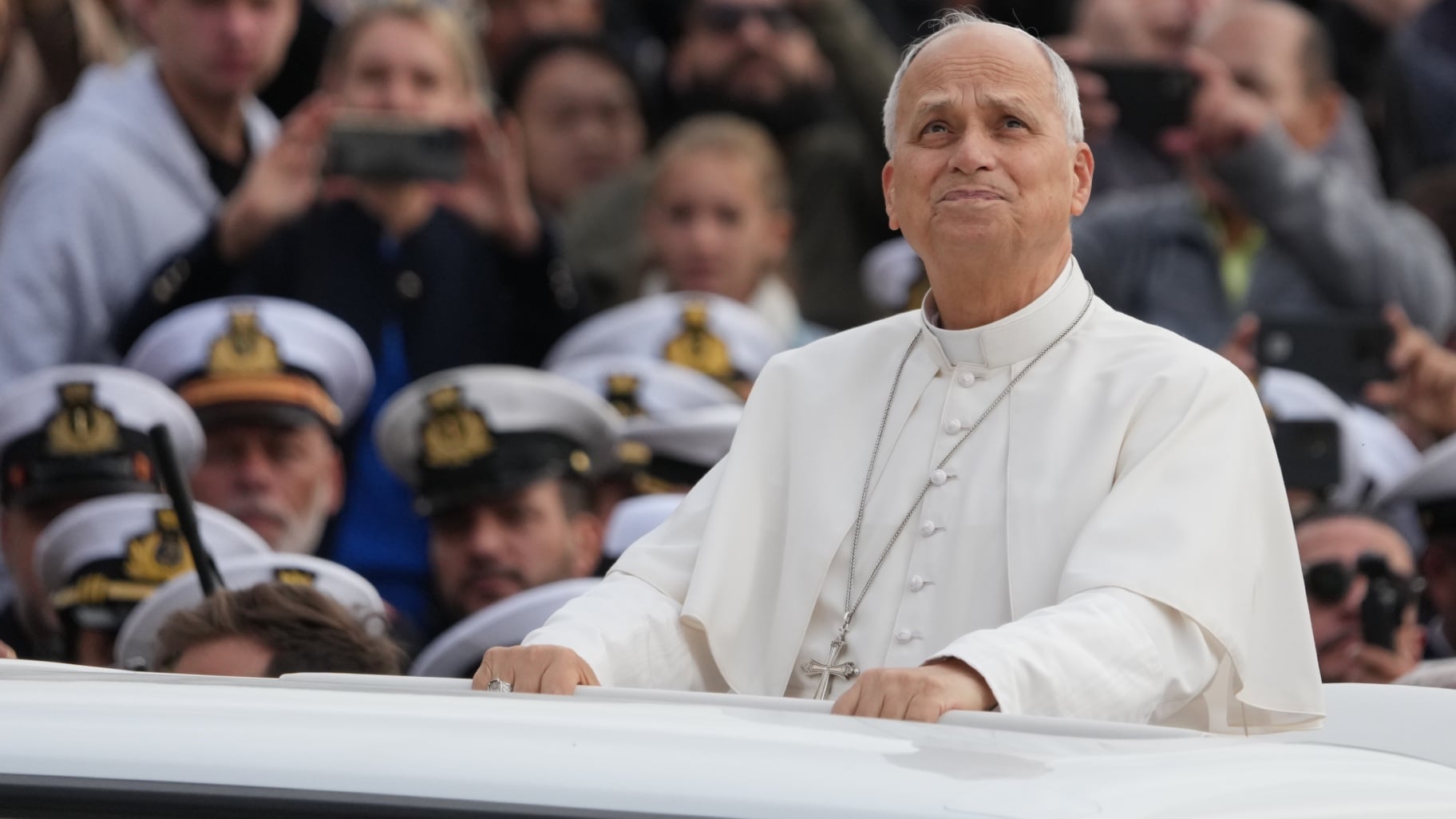
When Robert Francis Prevost took the name Pope Leo XIV, observers immediately started mapping his ideological coordinates. Secular media outlets and Catholic commentators alike scrambled to categorize the new pontiff. Labels like "liberal reformer" or "dogmatic conservative" get tossed around easily, but applying these binary political categories to the head of the Vatican misses how the church operates.
Prevost doesn't fit neatly into secular political boxes. His background spans decades as an Augustinian friar, missionary work in Peru, administrative roles inside the Roman Curia, and a unique relationship with his predecessor, Pope Francis. To understand where Leo XIV actually stands, we have to look past left-versus-right talking points and examine his record on governance, social teaching, and church reform.
The Problem with Secular Political Labels in the Vatican
Secular politics relies on a rigid spectrum. You are either on the left advocating for progressive social change or on the right defending traditional structures. The Catholic Church doesn't function on a parliamentary system. Theological positions rarely align cleanly with modern political platforms.
A bishop might support aggressive government action on climate change—a position often labeled liberal in North America—while fiercely defending traditional church teachings on abortion and ordination, which aligns with conservative platforms. Prevost is a prime example of this complex overlap. Trying to label him as strictly conservative or liberal ignores the theological framework that guides his decisions. His choices are rooted in Catholic social teaching and canon law rather than a partisan handbook.
The Francis Legacy: Continuity, Not a Radical Pivot
Pope Francis appointed Prevost as the prefect of the Dicastery for Bishops in 2023, placing him in one of the most influential administrative seats in Rome. In that role, Prevost helped vet and select episcopal candidates worldwide. Francis chose him because he wanted a pastor with grassroots missionary experience rather than a career bureaucrat from the Roman Curia.
Because of this direct alignment, many analysts initially framed Prevost as a progressive heir to Francis. Yet, viewing him merely as a clone misses his distinct administrative style. While he embraces the synodal process and a collaborative approach to church governance, he approaches discipline with the precision of a trained canon lawyer.
- Commitment to Synods: He supports wider listening and participation among laypeople and clergy, mirroring the collaborative vision championed by Francis.
- Institutional Governance: His doctorate in canon law from the Pontifical University of St. Thomas Aquinas gives him a deep respect for church law and order, which appeals to traditionalists who value administrative stability.
- Global Perspective: His years in Peru shaped an acute awareness of poverty, structural injustice, and migration issues, aligning his social outlook with global south priorities rather than Western partisan debates.
Rooted in Augustinian Tradition and Social Teaching
To understand Prevost's worldview, you have to look at his formation in the Order of Saint Augustine. Augustinian spirituality emphasizes community, the search for truth, and viewing authority primarily as a form of service.
When he chose the papal name Leo, he explicitly invoked Pope Leo XIII, the author of the 1891 encyclical Rerum novarum. That foundational document launched modern Catholic social teaching by defending worker rights, fair wages, and the dignity of labor against both unchecked capitalism and state socialism. By signaling a connection to Leo XIII, the pope anchored his pontificate in economic justice and human dignity. These themes defy simple left-right categorization. They challenge free-market orthodoxies while maintaining strict adherence to traditional moral theology.
Navigating Church Reforms and Global Crises
Since taking office, Leo XIV has faced immediate tests that clarify his governance style. Rather than forcing abrupt ideological shifts, he has focused on internal reconciliation and pastoral care.
When handling internal disciplinary matters, he relies on established canonical structures while keeping channels open for dialogue. His approach to international diplomacy reflects a similar balance. He has openly criticized the impacts of modern warfare and economic inequality, putting him at odds with various nationalist political figures. These stances earn him praise from those focused on social justice, yet his unwavering defense of core church doctrines keeps him firmly outside the progressive wing of secular politics.
Frequently Asked Questions
Is Pope Leo XIV considered a conservative or a liberal?
Neither label fits accurately. While he shares Pope Francis's pastoral focus and commitment to the global poor, he also possesses a deep grounding in canon law and traditional church governance. Observers inside the Vatican often describe him as a centrist bridge-builder who avoids ideological extremes.
What was Robert Prevost's role before becoming pope?
He served as an Augustinian friar, a missionary and bishop in Chiclayo, Peru, and most notably as the prefect of the Dicastery for Bishops in Rome, where he advised the pontiff on appointing new bishops worldwide.
Why did he choose the papal name Leo?
He selected the name to honor Pope Leo XIII, whose landmark 1891 encyclical Rerum novarum established modern Catholic social teaching, particularly regarding labor rights, fair wages, and the responsibilities of the state toward the working class.
How does his background influence his view on church administration?
With a doctorate in canon law, Prevost balances a desire for pastoral outreach and synodal listening with a strong respect for institutional order and legal clarity.