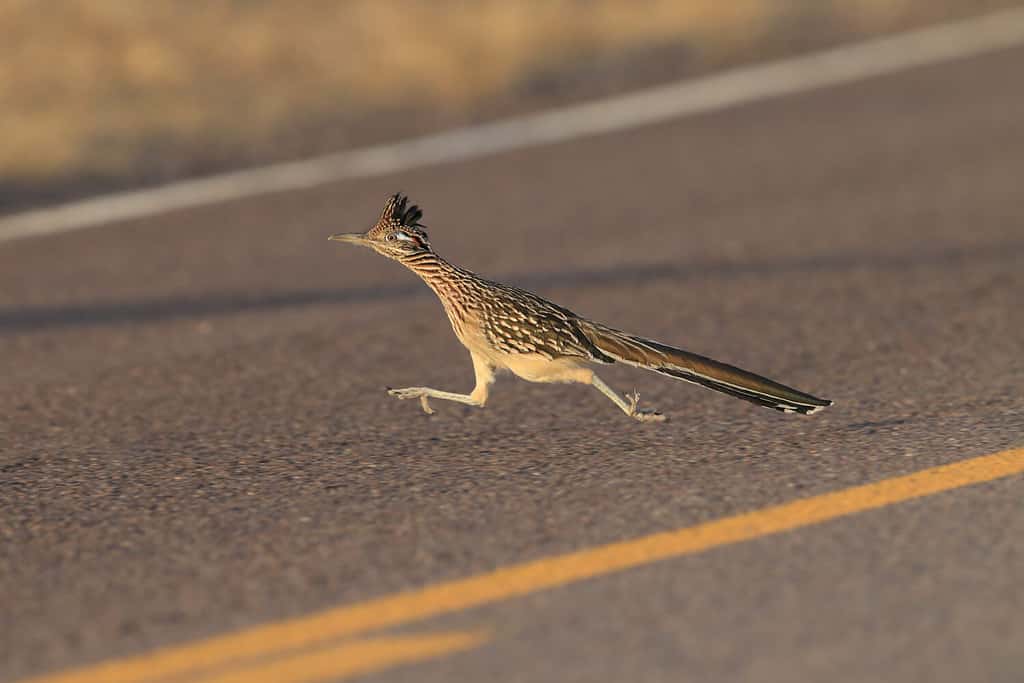
The standard translation for roadrunner in Spanish is correcaminos, a descriptive compound noun formed from corre (runs) and caminos (roads or trails). If you're looking for how Spanish speakers refer to this iconic ground-dwelling bird across different regions, correcaminos is universally understood. Whether you're talking about desert wildlife or pop culture references, this single term dominates everyday speech, nature documentation, and media dubbing.
While correcaminos is the direct and most common term, understanding how the word functions in daily conversation, scientific contexts, and regional dialects reveals a deeper picture of Hispanic vocabulary. Let's break down the translation, linguistic nuances, and cultural footprint of the famous desert sprinter.
Linguistic Breakdown of Correcaminos
To understand why correcaminos works so well, it helps to examine its structure. In Spanish, compound nouns that combine a verb and a noun are common.
- Corre: Derived from the verb correr (to run), conjugated in the third-person singular present tense.
- Caminos: The plural noun for roads, paths, or trails.
Literally translating to "road-runner," the term mimics English compounding structures like scarecrow or turnkey. While a literal word-for-word translation of the English phrase might technically be corredor de caminos (road runner), native speakers prefer the compressed, punchy compound correcaminos. It rolls off the tongue easily and captures the animal's most defining behavior in a single, memorable word.
Scientific and Regional Names
In ornithology and formal biology, the roadrunner belongs to the genus Geococcyx, specifically the Greater Roadrunner (Geococcyx californianus) and the Lesser Roadrunner (Geococcyx velox).
When scientists or wildlife experts discuss these species in Spanish-language literature, they use specific binomial nomenclature alongside regional common names:
- Ave del desierto: A general descriptive term used in some nature articles to describe desert-dwelling birds.
- Paisano: In parts of northern Mexico and the southwestern United States, locals frequently refer to the roadrunner as el paisano (the compatriot or fellow countryman). This affectionate regional nickname stems from the bird's habit of walking alongside or sharing the dusty trails used by rural travelers.
- Faisán: In certain localized rural dialects, people mistakenly call them faisanes (pheasants) due to their long tails and ground-dwelling habits, though ornithologically they belong to the cuckoo family (Cuculidae).
Cultural Impact and Media Influence
Much of the global familiarity with the roadrunner stems from American animation. In Spanish-dubbed versions of the classic Warner Bros. Looney Tunes cartoons, the speedy bird is famously known as El Correcaminos, while Wile E. Coyote is translated as El Coyote.
This media presence cemented the word into the lexicon of generations across Latin America and Spain. Children growing up watching Saturday morning cartoons learned the word instantly. Beyond cartoons, the term has slipped into everyday idioms. If someone is darting around quickly, running errands at a frantic pace, or never seems to sit still, friends or coworkers might jokingly call them un correcaminos.
Common Mistakes to Avoid
When translating or discussing roadrunners in Spanish, learners often make a few predictable errors:
- Using literal separation: Don't write corre caminos as two separate words when referring to the bird or the concept; it is a single closed compound noun: correcaminos.
- Confusing plural forms: Because correcaminos ends in an "s" and is already plural in its second half (caminos), the singular and plural forms remain identical. To say "one roadrunner," you say un correcaminos; to say "three roadrunners," you say tres correcaminos.
- Literal translation of traits: Avoid translating the cartoon catchphrase "Beep, beep!" literally or assuming it has a traditional Spanish equivalent. In Spanish dubs, the sound effect is typically kept identical to the English original or adapted as a sharp mechanical beep (¡beep, beep!).
Frequently Asked Questions
Is correcaminos masculine or feminine?
It is a masculine noun. You always use the masculine article el, as in el correcaminos (the roadrunner) or un correcaminos (a roadrunner).
Do people in Spain use the word correcaminos?
Yes, though roadrunners are native to North and Central America rather than the Iberian Peninsula, the word is widely recognized across Spain primarily because of translated cartoons, literature, and global media.
What family of birds do roadrunners belong to in Spanish?
They belong to the cuckoo family, known in Spanish as the Cuculidae family, and are referred to as cucos or cuclillos in broader taxonomic discussions, though the specific roadrunner species retains its unique name.
Are there other animals with similar compound names in Spanish?
Spanish features several descriptive animal names built similarly, such as saltamontes (grasshopper, literally "jump-hills") and picaflor (hummingbird, literally "sting-flower"), showcasing the language's preference for punchy, action-based compounds.



