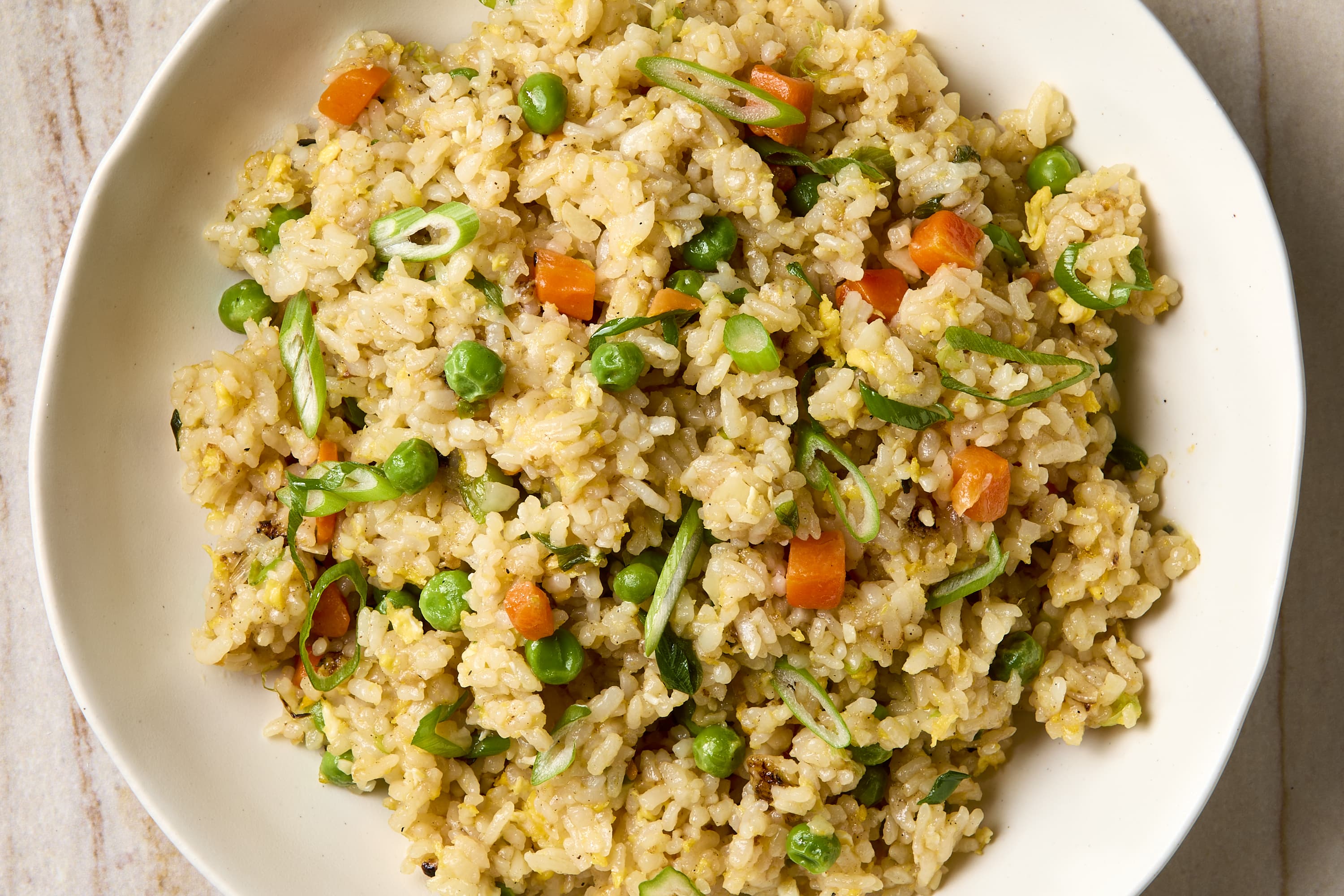
A standard 100-gram serving of cooked white rice provides roughly 130 calories, while cooked brown rice delivers about 150 calories. That modest energy density surprises many people who assume staple grains are inherently heavy or fattening. Understanding these exact numbers helps you build balanced meals without guessing your daily energy intake.
Beyond the baseline calorie count, portion control and preparation methods dictate how rice fits into your nutritional goals. Let's break down the exact macronutrient profile, compare varieties, and clear up common misconceptions about this global dietary staple.
The Exact Breakdown: Rice Kcal 100g
When tracking your daily intake, weighing your food after cooking changes the math significantly because grains absorb water. Raw rice packs roughly 360 calories per 100 grams, but once cooked, that same weight balloons with water, dropping the calorie density down to the 130 to 150 range.
Here is what a typical 100-gram serving of cooked white rice contains:
- Calories: 130 kcal
- Carbohydrates: 28 grams
- Protein: 2.7 grams
- Fat: 0.3 grams
- Dietary Fiber: 0.4 grams
For comparison, a 100-gram serving of cooked brown rice shifts those numbers slightly because the nutrient-dense outer bran layer remains intact:
- Calories: 111 to 150 kcal (depending on grain type and moisture absorption)
- Carbohydrates: 23 to 24 grams
- Protein: 2.6 grams
- Fat: 0.9 grams
- Dietary Fiber: 1.8 grams
Brown rice gives you more fiber and trace minerals, but white rice digests faster, which athletes often utilize for quick glycogen replenishment after intense training sessions. You can check official food composition datasets via the USDA FoodData Central portal to verify specific grain varieties.
White Rice vs. Brown Rice: Nutritional Realities
People often label white rice as empty calories and brown rice as a pure superfood, but reality sits somewhere in the middle. Processing white rice strips away the bran and germ, removing most of the fiber, magnesium, and B vitamins. Manufacturers often enrich white rice with iron and folic acid to make up for lost nutrients.
Brown rice keeps its bran layer, providing four times the fiber of white rice alongside higher levels of manganese and phosphorus. That extra fiber slows down digestion, leading to a more gradual blood sugar response.
However, brown rice also contains phytic acid, an anti-nutrient that binds to minerals like iron and zinc, slightly reducing their absorption in your gut. Soaking your brown rice before cooking helps break down some of that phytic acid. If you have a sensitive stomach or need rapid carbohydrate digestion for athletic performance, white rice can actually be the gentler, more practical choice.
Common Cooking Mistakes That Alter Your Calories
How you prepare your rice changes more than just the texture—it changes the calorie count and metabolic impact.
- Adding cooking oils or butter: Cooking rice in plain water keeps the calories locked at 130 per 100 grams. Sautéing grains in oil or adding generous pats of butter before steaming can easily double the calorie count of a standard side dish.
- Ignoring the raw-to-cooked weight shift: Measuring dry rice and tracking it as cooked rice leads to severe undercounting. Always weigh your food in the state you plan to consume it.
- Leaving rice at room temperature: Cooked rice left in the temperature danger zone can grow Bacillus cereus, a bacterium that produces heat-stable toxins and causes food poisoning. Cool leftovers quickly and store them in the fridge within two hours.
Resistant Starch: The Cool Trick
Science has found a clever way to alter how your body processes the carbohydrates in rice. When you cook rice and then let it cool in the refrigerator for at least 12 to 24 hours, part of the digestible starch converts into resistant starch.
Resistant starch acts more like dietary fiber. It resists being broken down in your small intestine, meaning fewer calories enter your bloodstream, and it feeds the beneficial bacteria in your large gut. Reheating the rice doesn't destroy all of this newly formed resistant starch, making cold or reheated leftover rice a smart strategy for blood sugar management.
Frequently Asked Questions
Does 100g of cooked rice look like a big portion?
No, 100 grams of cooked rice is relatively small—about half a cup. Most restaurant or home servings range from 200 to 300 grams, which triples the baseline calorie count to around 390 to 450 calories for white rice.
Is rice suitable for weight loss?
Yes. Rice contains zero cholesterol and very little fat, making it a filling, low-fat carbohydrate source. Weight loss depends on total daily energy balance, and rice can easily fit into a calorie deficit when you weigh your portions accurately.
Why does brown rice take longer to cook?
The intact outer bran layer acts as a physical barrier that prevents water from penetrating the grain quickly. This requires longer simmering times and more water compared to polished white rice.
Can eating rice every day cause health issues?
Eating rice daily is safe and forms the foundation of billions of healthy diets worldwide. The main thing to monitor is variety and heavy metal content, particularly inorganic arsenic, which can accumulate in rice paddies. Rinsing grains thoroughly and choosing diverse carbohydrate sources helps mitigate this concern. You can read safety assessments on heavy metals in food via the U.S. Food and Drug Administration guidelines.


