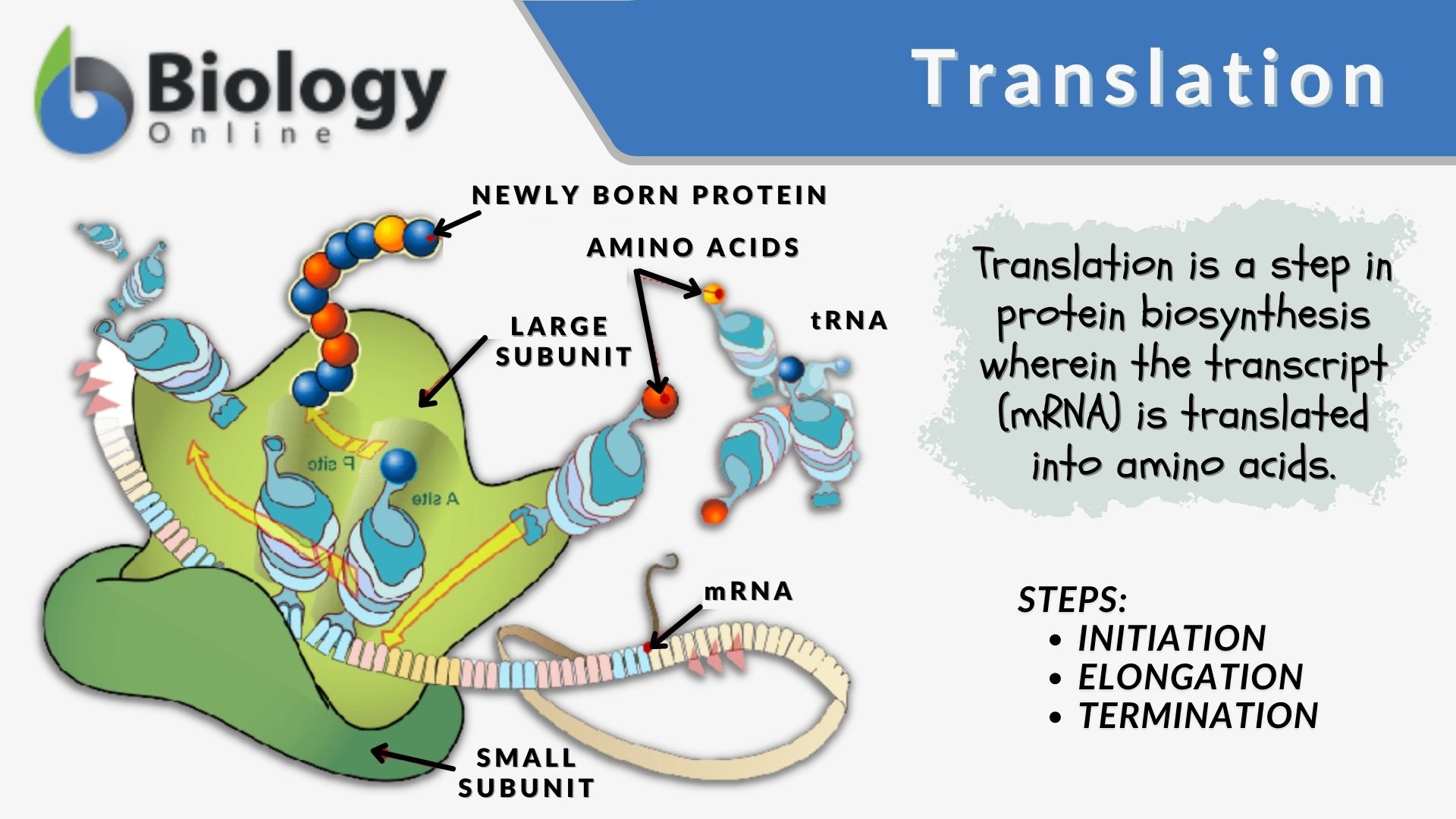
Ribosome assembly is the complex cellular process responsible for constructing ribosomes, the essential molecular machines that translate genetic code into proteins. Every living cell relies on this continuous manufacturing operation to sustain life, coordinating the production of ribosomal RNA with dozens of ribosomal proteins.
Inside the cell, this process requires precise spatial and temporal organization. While transcription of ribosomal components begins in the nucleolus, the final maturation steps occur in the cytoplasm. Understanding how these macromolecular complexes come together reveals fundamental insights into cellular maintenance, growth, and disease pathology.
The Foundations of Ribosome Biogenesis
Ribosome biogenesis represents one of the most energy-consuming tasks a cell undertakes. A rapidly growing yeast cell, for instance, produces roughly two thousand ribosomes every minute, requiring massive coordination across multiple genomic loci.
The process starts with ribosomal RNA genes, which are transcribed by specialized RNA polymerases. Unlike standard messenger RNA production, ribosomal RNA synthesis occurs at an exceptional rate, driving the dense structural organization of the nucleolus.
Ribosomal RNA Processing and Modification
The primary transcript undergoes extensive processing before it can join with proteins. Specialized small nucleolar ribonucleoproteins guide chemical modifications, primarily through site-specific methylation and pseudouridylation.
These chemical changes dictate how the RNA folds and interacts with incoming proteins. Without these precise alterations, the structural integrity of the mature particle fails, halting protein synthesis entirely.
Integration of Ribosomal Proteins
As the RNA molecule folds, newly synthesized ribosomal proteins migrate into the nucleolus from the cytoplasm. These proteins act as molecular chaperones and structural anchors, stabilizing the emerging architecture.
The assembly pathway follows a strict hierarchy. Early-binding proteins secure specific domains of the ribosomal RNA, forcing conformational changes that expose binding sites for subsequent proteins. This sequential locking mechanism prevents misfolded intermediates from accumulating in the cellular interior.
Subunit Separation: Small and Large Machinery
Functional ribosomes consist of two distinct subunits that operate independently during translation initiation before locking together around a messenger RNA strand.
Small Subunit Construction
The small subunit, known as the forty-S subunit in eukaryotes, focuses primarily on decoding genetic instructions. Its assembly requires the precise folding of a single long RNA chain combined with approximately thirty-three distinct proteins.
Quality control checkpoints inspect the small subunit before export. If structural defects are detected, surveillance pathways target the faulty intermediate for rapid degradation.
Large Subunit Construction
The large subunit, designated the sixty-S subunit, contains three distinct RNA molecules and nearly fifty proteins. This massive structure houses the peptidyl transferase center, the catalytic site responsible for forming peptide bonds between amino acids.
Constructing the large subunit demands a larger set of assembly factors. These transient helper proteins ride along with the subunit during its construction, preventing premature activation and ensuring proper structural alignment.
Nuclear Export and Cytoplasmic Maturation
Once assembled to a near-complete state within the nucleolus, the immature subunits must cross the nuclear envelope to reach the cytoplasm. This transport process requires specialized carrier proteins that recognize nuclear export signals on the ribosomal particles.
Navigating the Nuclear Pore Complex
Passing through the nuclear pore complex is a high-stakes journey. Because ribosomal subunits are exceptionally large, they must undergo controlled conformational adjustments to fit through the narrow channel of the pore.
Energy derived from nucleotide hydrolysis powers this translocation. Once the particles reach the cytoplasmic side, specific enzymes strip away the export receptors, releasing the subunits into the cytosol.
Final Cytoplasmic Activation
The final steps of maturation happen exclusively in the cytoplasm. Here, the remaining temporary assembly factors dissociate, and the last few structural proteins snap into place.
This compartmental separation serves a protective purpose. By delaying final maturation until the subunits reach the cytoplasm, the cell prevents premature translation within the nucleus. Only fully cleared, verified subunits are permitted to join active polysomes.
Regulatory Networks and Cellular Stress
Ribosome production isn't a static pipeline; it scales dynamically based on nutrient availability, growth signals, and cellular stress. When nutrients run low, signaling pathways shut down ribosomal gene transcription to conserve energy.
Nutrient Sensing and Target of Rapamycin
The Target of Rapamycin pathway serves as the master regulator of this balance. In nutrient-rich conditions, it stimulates transcription factors that drive ribosomal RNA production.
Conversely, starvation or environmental stress inactivates this pathway, causing nucleolar reorganization and temporarily halting new ribosome construction. This conservation strategy allows cells to survive periods of deprivation without wasting vital resources.
Implications for Disease
Disruptions in ribosome assembly lead to severe pathological conditions known as ribosomopathies. Diamond-Blackfan anemia and Treacher Collins syndrome stem from mutations in genes encoding ribosomal proteins or assembly factors.
These disorders often manifest as bone marrow failure or craniofacial abnormalities, highlighting how sensitive specialized tissues are to quantitative drops in protein translation capacity. Researchers study these conditions using resources from the National Institutes of Health to map out targeted therapeutic interventions.
Frequently Asked Questions
Where does ribosome assembly begin inside the cell?
Ribosome assembly begins in the nucleolus, a dense, non-membrane-bound structure located within the nucleus. Here, ribosomal RNA is transcribed and initially combined with incoming ribosomal proteins before the maturing particles move out to the cytoplasm.
How do ribosomal proteins enter the nucleus?
Ribosomal proteins are synthesized on cytoplasmic ribosomes and then imported back into the nucleus through nuclear pore complexes. They carry specific nuclear localization signals recognized by import receptor proteins that guide them to the nucleolus.
What happens to defective ribosomal subunits?
Cells maintain rigorous quality control surveillance systems. When an assembly intermediate misfolds or fails to acquire the correct proteins, nuclear and cytoplasmic exosome complexes target the faulty unit for destruction, recycling its raw components.
Do prokaryotes and eukaryotes assemble ribosomes the same way?
While the fundamental principles remain similar, prokaryotic ribosome assembly is less complex and occurs simultaneously with transcription in the cytoplasm, since bacteria lack a distinct nuclear membrane. Eukaryotic assembly is compartmentalized and requires dozens of additional auxiliary factors.