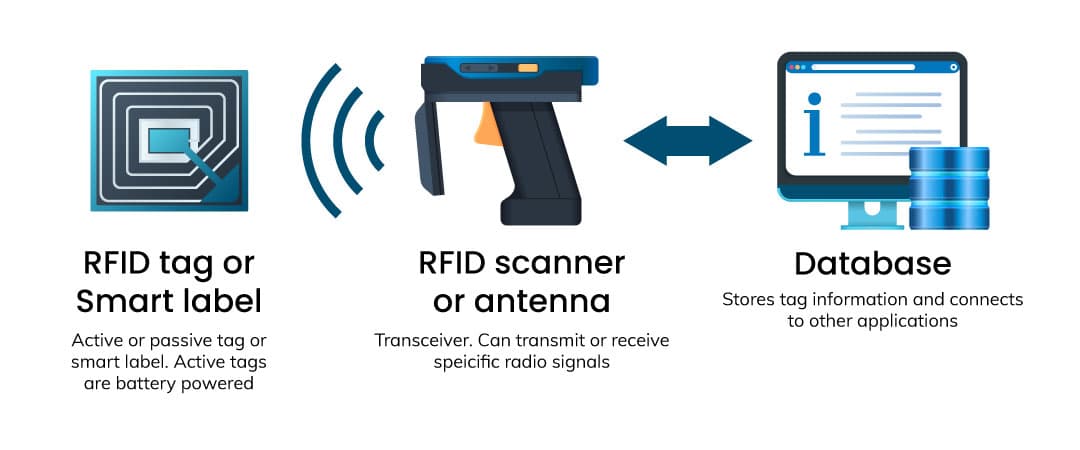
Radio frequency identification technology powers modern commerce, transit systems, and corporate entry points. Because contactless cards and e-passports broadcast data via radio waves, a market for RFID blocking accessories emerged to protect everyday consumers from wireless theft. While specialized wallets, sleeves, and passport covers genuinely block 13.56 MHz signals using conductive materials like aluminum or copper mesh, the practical need for these shields is heavily debated by cybersecurity experts. Understanding how this technology performs in real conditions separates valid security steps from marketing exaggeration.
Contactless payment cards rely on passive radio frequency identification, meaning they contain no internal battery and remain completely dormant until an external reader induces an electromagnetic field. When a card enters that field, its microchip transmits stored information. Protective shields work by creating a mini Faraday cage around the card, interrupting the radio waves so the chip cannot receive power or respond to queries. Laboratory testing confirms that quality metallic linings block these signals effectively, but the real question is whether unauthorized remote scanning poses a genuine threat to your finances.
The Mechanics of RFID Skimming
Wireless theft, or skimming, involves using a portable radio reader to query a contactless card without the holder noticing. In theory, a malicious device held close to a pocket or purse can capture card numbers and expiration dates. However, physical proximity constraints limit how these attacks occur.
- Near-Field Limits: Contactless payment systems use Near Field Communication, which operates strictly within a range of a few centimeters. A scanner cannot read your card from across a room or even from inside a shopping cart next to you.
- Tokenization and Encryption: Modern credit and debit cards employ EMV tokenization. Every time you tap a terminal, the card generates a unique, single-use transaction code. Even if someone captures raw data over the airwaves, they cannot reuse that data to make purchases because the dynamic security code changes constantly.
- Data Limitations: Standard payment cards do not transmit your billing address, PIN, or full security code via radio waves.
These technical safeguards mean that capturing a credit card's radio signal yields limited value for criminals. Traditional fraud vectors—such as data breaches, compromised online retailers, and physical skimming devices placed on ATMs or point-of-sale terminals—account for the vast majority of financial theft.
Where Shields Actually Matter
While credit card skimming over radio frequencies is rare, certain items lack the advanced cryptographic protections built into modern bank cards. Protecting these specific assets justifies using shielded accessories.
Passports and Travel Documents
E-passports issued over the last two decades contain embedded chips holding your full name, nationality, date of birth, and digital photograph. Unlike financial cards, passport data remains static and does not rotate with a dynamic token. Security researchers have demonstrated that unprotected e-passports can be read at short range if an attacker targets a traveler in a crowded queue. Using an RFID-blocking passport sleeve or travel wallet provides a practical layer of defense against unauthorized data harvesting while traveling.
Access Badges and Transit Cards
Corporate ID badges, hotel room keys, and municipal transit cards often operate on similar radio frequencies as bank cards but utilize minimal or outdated encryption. A compromised transit card or employee badge can allow unauthorized tracking or building access. Securing these items inside a protected sleeve reduces the risk of cloning or remote interrogation.
Evaluating Shield Materials
Not all protective accessories perform equally. Budget travel gear frequently utilizes inferior conductive weaves or lacks complete coverage, leaving gaps where radio signals can leak through.
- Metallic Foils and Inserts: Rigid cards lined with aluminum or copper offer reliable directional blocking when placed adjacent to vulnerable cards in a wallet.
- Fabric Linings: Wallets and passport holders sewn with nickel-copper-polyester composite fabrics block high-frequency signals from all angles, provided the enclosure closes completely.
- DIY Alternatives: While wrapping cards in household aluminum foil creates a crude barrier, it tears easily, degrades with pocket friction, and offers inconsistent protection. Purpose-built accessories maintain structural integrity under daily use.
For detailed specifications on material standards and testing protocols, review guidelines from organizations like the National Institute of Standards and Technology.
Common Mistakes in Personal Card Security
Consumers often misallocate their security efforts, focusing heavily on wireless interception while ignoring physical exposure habits.
- Leaving Cards Unattended: Handing a card to a server at a restaurant or leaving it exposed on a desk invites traditional visual theft rather than complex radio hacking.
- Ignoring Digital Footprints: Online data breaches expose far more sensitive financial details than any wireless scanner could harvest on a commuter train.
- Trusting Uncertified Products: Buying cheap accessories without verifying frequency ratings leaves items vulnerable to specialized or amplified readers.
Frequently Asked Questions
Do smartphones with digital wallets need RFID protection?
No. Smartphone payment applications like Apple Pay and Google Pay require biometric authentication, such as a fingerprint or facial scan, before transmitting any payment data. They do not broadcast passive radio signals continuously, making them immune to skimming.
Can a scanner read my wallet through a thick leather bag?
Standard leather, cotton, nylon, and canvas offer zero resistance to 13.56 MHz radio waves. If your cards lack built-in security chips or individual protectors, fabric thickness alone will not stop a motivated reader at close range.
Are traditional chip-and-PIN cards vulnerable?
Cards that require physical insertion into a terminal and manual entry of a PIN do not feature contactless antennas. If your card lacks the contactless Wi-Fi symbol, it cannot transmit data wirelessly and requires no radio shielding.
How long do RFID blocking products last?
High-quality shielding fabrics degrade over time due to repeated folding, flexing, and environmental wear. Most manufacturers recommend replacing travel wallets and sleeves every three to five years to ensure the conductive mesh maintains structural integrity.