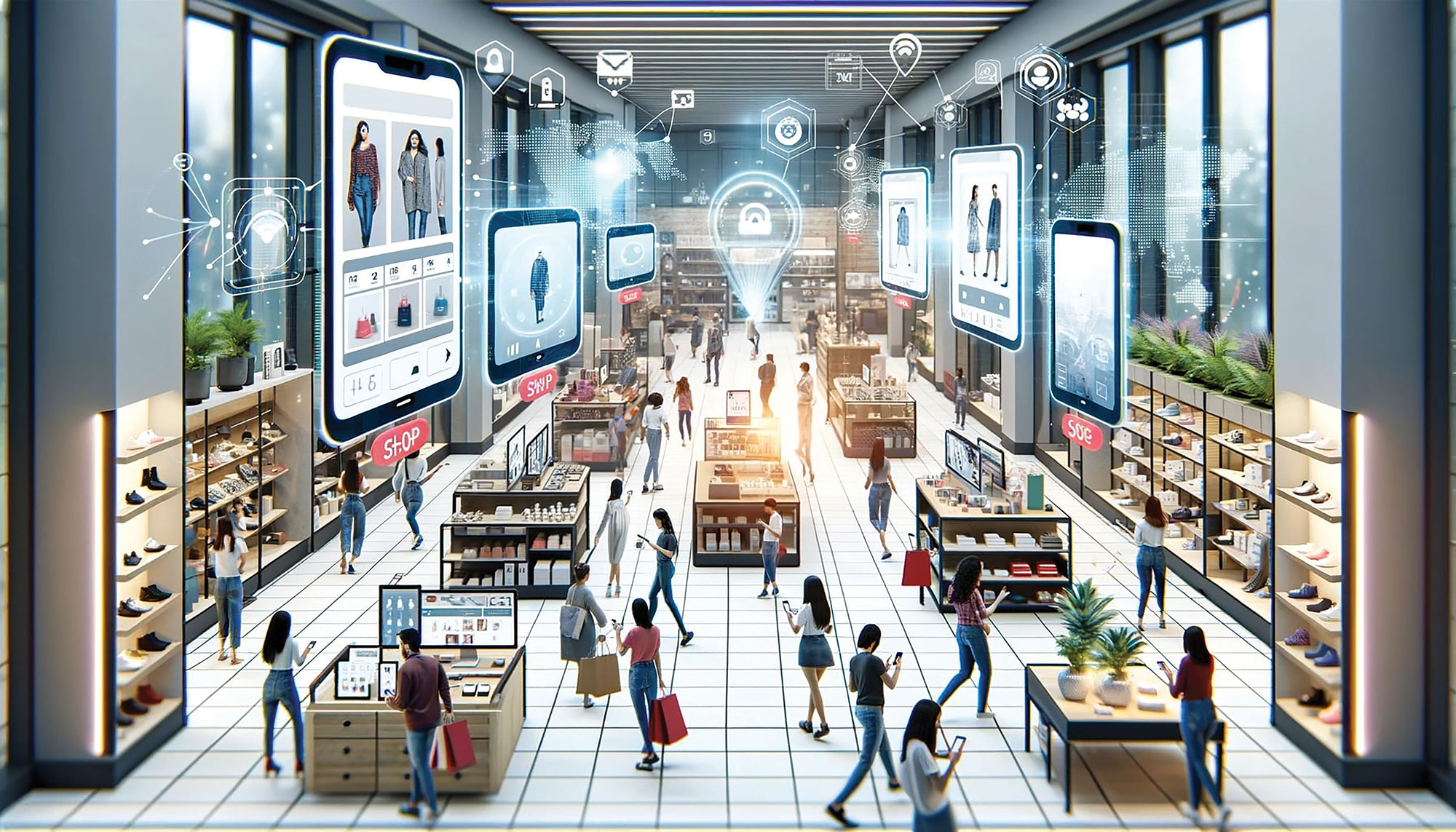
When you walk into a major retail chain, you notice the predictable layout, familiar branding, and lower price tags on everyday essentials. Large corporate chains benefit consumers in part because economies of scale lower prices, shifting the balance of modern commerce toward massive cost efficiencies. Small independent shops offer charm and personalized service, but they rarely match the sheer purchasing power and logistical muscle of a national enterprise.
Understanding how massive retail organizations operate reveals the mechanics behind your grocery bill and household purchases. Beyond simple bulk discounts, corporate chains reshape the entire supply chain from manufacturing plant to checkout counter. This structural advantage directly influences what you pay, how products reach your local store, and why certain goods remain consistently in stock even during economic turbulence.
How Economies of Scale Lower Retail Prices
The primary driver of retail affordability is the ability to spread fixed costs across millions of transactions. When a corporation operates thousands of storefronts, expenses like software development, administrative overhead, and national marketing campaigns dilute into negligible fractions per item sold.
Procurement power acts as the core engine of this savings model. Manufacturers produce goods more cheaply when orders come in massive, predictable quantities. Corporate chains secure exclusive volume rebates, tier-based discounts, and direct-to-factory pricing that bypass traditional wholesalers and middlemen.
- Bulk Purchasing Agreements: Multi-year contracts lock in low per-unit manufacturing costs.
- Elimination of Intermediaries: Direct sourcing removes distributor markups that inflate wholesale costs for independent stores.
- Category Specialization: Dedicated buyers negotiate with absolute market authority, tracking global material costs to buy at optimal times.
These savings compound before a single product touches a delivery truck. Because inventory is acquired at a fraction of the cost paid by independent competitors, retail chains pass portions of these savings to shoppers while preserving healthy profit margins.
Supply Chain and Logistics Optimization
Acquiring goods cheaply means little if moving them to store shelves costs a fortune. Corporate chains build highly sophisticated logistics networks designed to minimize handling fees, fuel consumption, and storage waste.
Advanced warehouse management systems track inventory across entire regions in real time. Instead of keeping massive safety stocks sitting idle in backrooms, automated fulfillment centers coordinate exact delivery schedules for local branches.
Manufacturer -> Central Automated Hub -> Cross-Docking -> Local Retail Store
Transportation efficiency further slashes overhead through backhauls and consolidated shipping. Trucks rarely travel empty; they haul returns, waste materials, or merchandise from distribution nodes back to central hubs. Cross-docking strategies allow goods to move directly from incoming trailers to outgoing store trucks with minimal warehouse storage time, cutting down labor and real estate expenses.
Technology Integration and Data-Driven Efficiency
Modern retail survival relies on heavy technology investments that smaller merchants struggle to finance. Point-of-sale systems, predictive analytics, and automated inventory tracking systems feed mountains of consumer data straight to corporate strategists.
This data-driven approach removes guesswork from retail management. Chains track precise purchasing habits down to the hour, ensuring that high-demand products stay stocked without tying up capital in obsolete inventory.
- Dynamic Pricing Models: Software adjusts prices based on local demand fluctuations and competitor tracking.
- Targeted Loyalty Programs: Purchase history enables individualized discounts that reward frequent shoppers.
- Omnichannel Inventory Visibility: Apps and websites let buyers check exact stock levels at nearby stores before making the trip.
Shoppers benefit directly from these systems through reduced checkout times, self-scanning kiosks, and accurate product availability. Automated forecasting also minimizes food waste and expired goods loss, preventing retailers from baking those losses into consumer prices.
Standardization and Reduced Consumer Search Costs
Predictability is an unheralded consumer benefit of corporate retail chains. When you travel to a different city, stepping into a familiar retail footprint eliminates decision fatigue and saves valuable time.
Store layouts, signage, return policies, and product placements remain identical across hundreds of locations. You don't waste time searching for basic household supplies because the organizational structure is standardized.
Standardization also fosters transparent price comparison. When multiple national chains stock identical brand-name goods, consumers compare prices instantly across competitors. This transparency maintains relentless market pressure on retailers to keep profit margins thin and prices competitive.
Limitations and Trade-Offs of Corporate Scale
While economies of scale produce clear financial benefits, they introduce distinct trade-offs within local economies. Massive retail footprints often reduce local product diversity, as corporate buyers favor mass-produced national brands over hyper-local artisans.
- Standardized Assortment: Local tastes can get ignored in favor of globally profitable stock.
- Labor Pressures: Large workforces require rigid operational protocols, which can limit employee autonomy.
- Economic Centralization: Profits flow back to corporate headquarters rather than supporting neighborhood businesses.
Consumers weigh these factors against direct savings every time they choose where to spend their money. For budget-conscious households managing tight monthly expenses, the cost advantages of scale often outweigh the appeal of boutique shopping.
Frequently Asked Questions
Why can large retail chains undercut local mom-and-pop stores?
Corporate chains negotiate massive volume discounts directly with manufacturers, bypassing independent wholesalers. They also spread fixed operational costs, like software and logistics, across thousands of locations, reducing the per-item cost required to maintain profitability.
Do economies of scale mean lower prices on every single item?
Not necessarily. While corporate chains offer aggressive pricing on high-volume staples and nationally recognized brands, they sometimes mark up niche or specialty items where consumer price sensitivity is lower.
How does logistics efficiency save money for shoppers?
Optimized transportation routes, automated warehouses, and cross-docking reduce fuel, labor, and storage expenses. Lower operating costs for the retailer translate directly into lower shelf prices for the end consumer.
Are all products in corporate chains sourced globally?
While large retailers utilize international supply chains to source affordable goods, many everyday perishable items like dairy, bread, and local produce are sourced regionally to ensure freshness and reduce long-distance shipping expenses.



: Complete Survey Guide and Rewards](https://www.simpleeverydaymom.com/wp-content/uploads/2023/10/Pilgrim-Photo-Craft-for-Thanksgiving-image-559x1024.jpg)