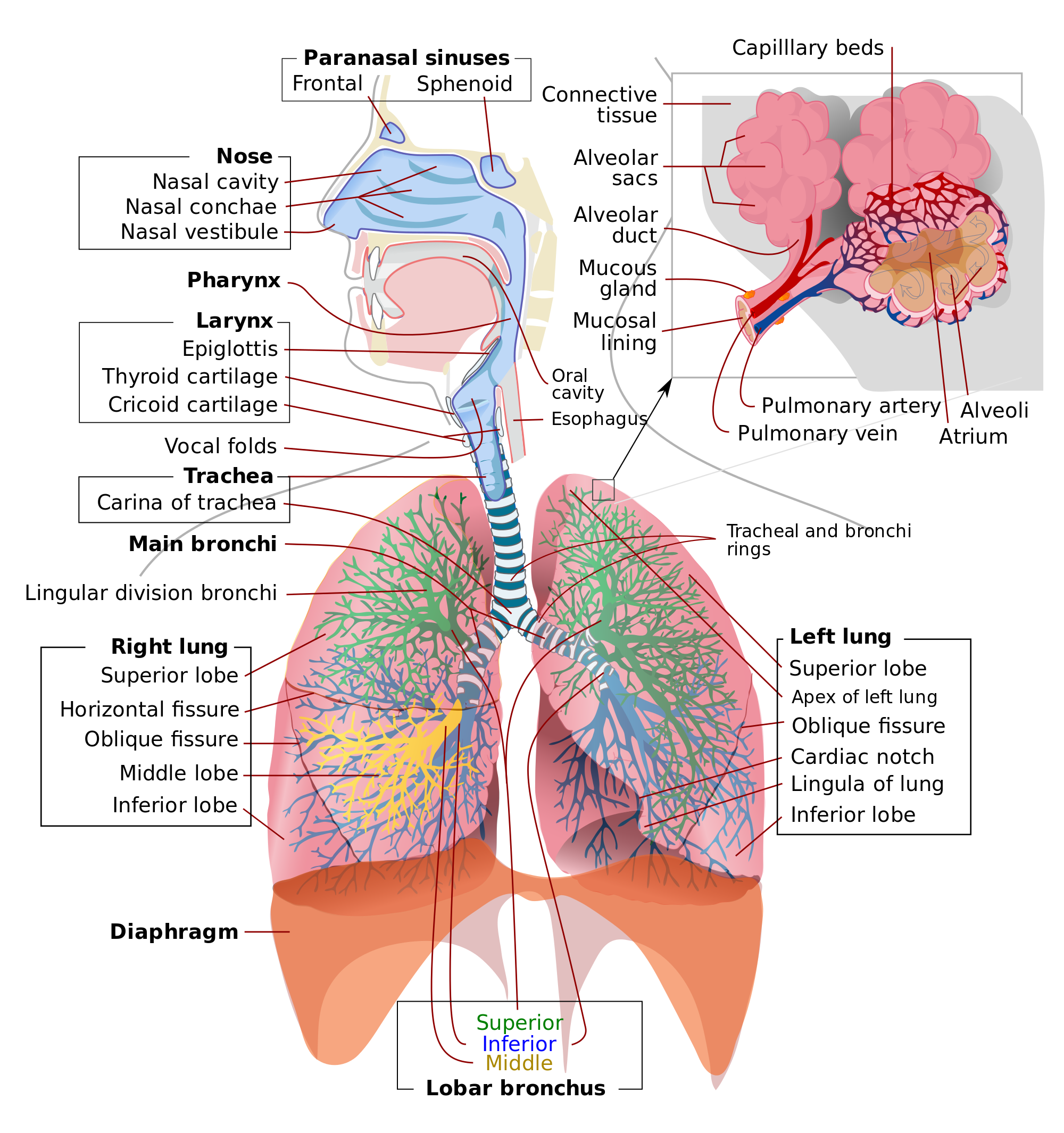
Learning how to navigate complex respiratory assessments can feel overwhelming for student clinicians. Enter Respiratory Tina Jones, a digital standardized patient simulation built into platforms like Shadow Health. This virtual avatar helps nursing and medical students practice clinical reasoning, physical examinations, and patient communication in a zero-risk digital environment.
Instead of traditional role-playing or high-stakes clinical rotations, learners use this virtual patient case to master chronic obstructive pulmonary disease (COPD) management, pulmonary auscultation, and patient interviews. Here's a look at how the simulation works and how you can use it to improve your clinical performance.
Understanding the Respiratory Tina Jones Case
The scenario centers on a 72-year-old virtual patient presenting with progressive shortness of breath and a persistent productive cough. It simulates a classic COPD exacerbation. Unlike static paper case studies, Tina responds dynamically to your inputs, branching out based on the clinical decisions you make during the encounter.
The simulation tests your ability to follow a systematic clinical workflow:
- Health History Gathering: You must ask targeted questions about smoking history, environmental exposures, symptom onset, and medication adherence.
- Physical Examination: Using your computer microphone or connected equipment, you perform virtual lung auscultation to detect wheezes, crackles, or diminished breath sounds.
- Diagnostic Interpretation: You evaluate laboratory data, spirometry results, and chest X-rays to confirm clinical suspicions.
- Intervention and Education: You decide whether to administer oxygen, recommend breathing techniques, or teach correct inhaler usage.
Step-by-Step Approach to Managing the Encounter
Success in this simulation requires a methodical approach. Skipping steps or missing subtle auditory cues will alter Tina's health trajectory within the software.
1. Establish Effective Communication Early
Begin by introducing yourself and building rapport. Tina reacts to your tone and communication style. If you ask insensitive or abrupt questions, her engagement drops. Use open-ended questions to let her explain symptoms in her own words before diving into structured diagnostic queries.
2. Execute a Focused Respiratory Assessment
Focus your physical exam on pulmonary and cardiovascular markers. Listen across all lung fields systematically—anterior, lateral, and posterior. Take note of hyperinflation signs, barrel chest posture, and accessory muscle use during breathing. Document every abnormal finding immediately.
3. Prioritize Interventions Based on Pathophysiology
When vital signs indicate distress, prioritize airway, breathing, and circulation (ABCs). Determine if the patient requires short-acting bronchodilators, oxygen therapy, or simply verbal reassurance to reduce panic-induced dyspnea.
Common Mistakes Students Make
Many learners struggle with the software because they treat it like a multiple-choice test instead of a real clinical interaction. Avoid these frequent pitfalls:
- Rushing the Patient Interview: Skipping comprehensive social and medical history questions leads to missed clues regarding environmental triggers.
- Incomplete Auscultation: Failing to listen to all lung zones results in missing focal crackles or unilateral wheezing.
- Ignoring Therapeutic Communication: Neglecting to address the patient's anxiety and fear can worsen dyspnea and lower your communication rubric score.
- Misinterpreting Diagnostics: Confusing hyperinflation patterns on a chest X-ray with acute consolidation.
Frequently Asked Questions
What platform hosts the Respiratory Tina Jones simulation?
The case is typically hosted within digital clinical learning platforms like Shadow Health, which integrate standardized digital patients into nursing and allied health curriculums.
How does the software score my performance?
The platform evaluates you against evidence-based clinical guidelines. It tracks every question asked, physical landmark examined, diagnostic test ordered, and educational point delivered to the patient.
Can I repeat the simulation if I make a mistake?
Most academic programs allow multiple attempts or practice modes so learners can refine their clinical reasoning and correct errors without academic penalty.
How does virtual patient training improve real-world skills?
It builds cognitive muscle memory and confidence. By practicing high-stress scenarios in a safe setting, students learn to prioritize tasks and communicate clearly before treating live patients in a hospital.


