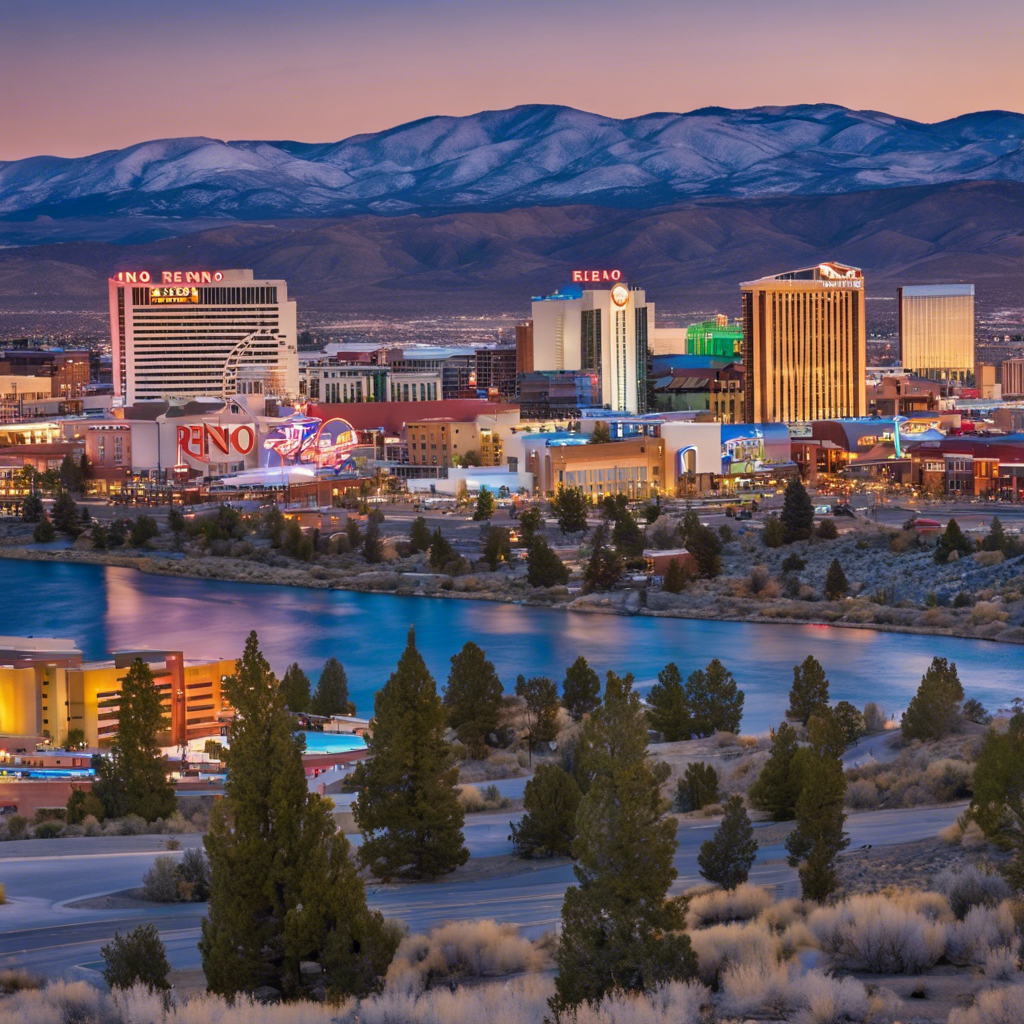
Reno sits in a high desert basin where dramatic temperature swings and fast-moving Sierra Nevada storm systems define daily life. If you're planning a trip or considering a move to the area, you'll encounter intense summer heat alongside crisp, snowy winters. Understanding how this unique geography shapes local conditions helps you pack right and stay safe.
The climate here is characterized by low humidity, over 300 days of sunshine a year, and distinct seasonal shifts. While summer afternoons routinely push past 90°F, winter nights drop below freezing regularly, setting the stage for sudden snow flurries and alpine winds.
The Geography Behind Reno's Unpredictable Skies
Reno's position just east of the massive Sierra Nevada mountain range creates a pronounced rain shadow effect. Pacific storms drop the vast majority of their moisture on the western slopes of the mountains, leaving the Truckee Meadows relatively dry compared to neighboring California.
However, when coastal systems break through or cold-core low-pressure systems drop down from the Gulf of Alaska, conditions change fast. Skies can shift from clear blue to heavy overcast within a few hours.
- High Desert Air: Low humidity means temperatures fluctuate wildly between daytime highs and nighttime lows, sometimes by 30 degrees or more in a single 24-hour cycle.
- The Sierra Barrier: Mountains block major storm tracks, but they also funnel fierce winds down mountain canyons into the city.
- Inversion Layers: Winter valley inversions can trap cold air and fog for days, holding temperatures down while nearby mountain peaks bask in bright sunshine.
Winter Snow and High Desert Realities
Winter in Reno brings an average annual snowfall of roughly 22 to 26 inches, though totals vary significantly by elevation. Neighborhoods closer to the foothills catch more accumulation than the downtown floor.
Because of the intense high desert sun and dry air, snow in the valley rarely lingers long on main roads. City crews clear major routes quickly, and residential streets usually clear up within a day or two as daytime temperatures climb above freezing.
Typical January Climate Profile:
- Average High: 45°F (7°C)
- Average Low: 25°F (-4°C)
- Average Snowfall: ~3.5 inches
- Sunny Days: Abundant between storms
For winter sports enthusiasts, this climate offers a distinct advantage. World-class resorts and ski areas in the Sierra Nevada sit just 25 to 40 minutes away, making it easy to catch fresh powder and return to the city by evening. You can track official state road conditions and chain requirements directly through the Nevada Department of Transportation.
Summer Heat and Afternoon Breezes
Summer contrasts sharply with the snowy winter months. From late June through September, daytime highs routinely hover in the upper 80s and 90s.
Despite the heat, the lack of humidity keeps the air comfortable compared to humid eastern climates. Evenings cool off rapidly once the sun dips below the horizon, providing natural relief. Afternoon winds frequently pick up during dry spells, which can elevate wildfire risks across local brushlands. Local air quality and advisory updates are managed by the Washoe County Health District.
Preparing for Rapid Weather Shifts
Living in or visiting Reno requires flexibility. A sunny spring morning can turn into an afternoon windstorm or a surprise spring snow squall with little warning.
- Keep layers handy: Always pack a wind-resistant shell and a fleece, even if the morning forecast looks mild.
- Monitor mountain passes: If you're traveling west over Interstate 80 toward California or up to Lake Tahoe, check elevation-specific forecasts rather than just the valley floor.
- Hydrate proactively: The dry high desert air accelerates dehydration year-round, often before you feel thirsty.
Frequently Asked Questions
Does it snow every year in Reno?
Yes, Reno receives measurable snowfall every winter, averaging about two feet annually across the city. However, snow accumulation is intermittent, and many winter days remain clear and sunny.
How cold does it get during winter nights?
Winter lows typically drop into the mid-20s (°F) from December through February, with occasional sub-zero drops during severe Arctic cold air outbreaks.
Is driving difficult during Reno winters?
Main thoroughfares are plowed and treated rapidly. The primary driving hazards occur during active storms on mountain passes like Donner Summit on I-80 or when black ice forms on bridges during early morning freeze cycles.
When is the windiest time of year?
Spring and late autumn tend to bring the strongest wind events as major seasonal weather systems transition across the Great Basin.


