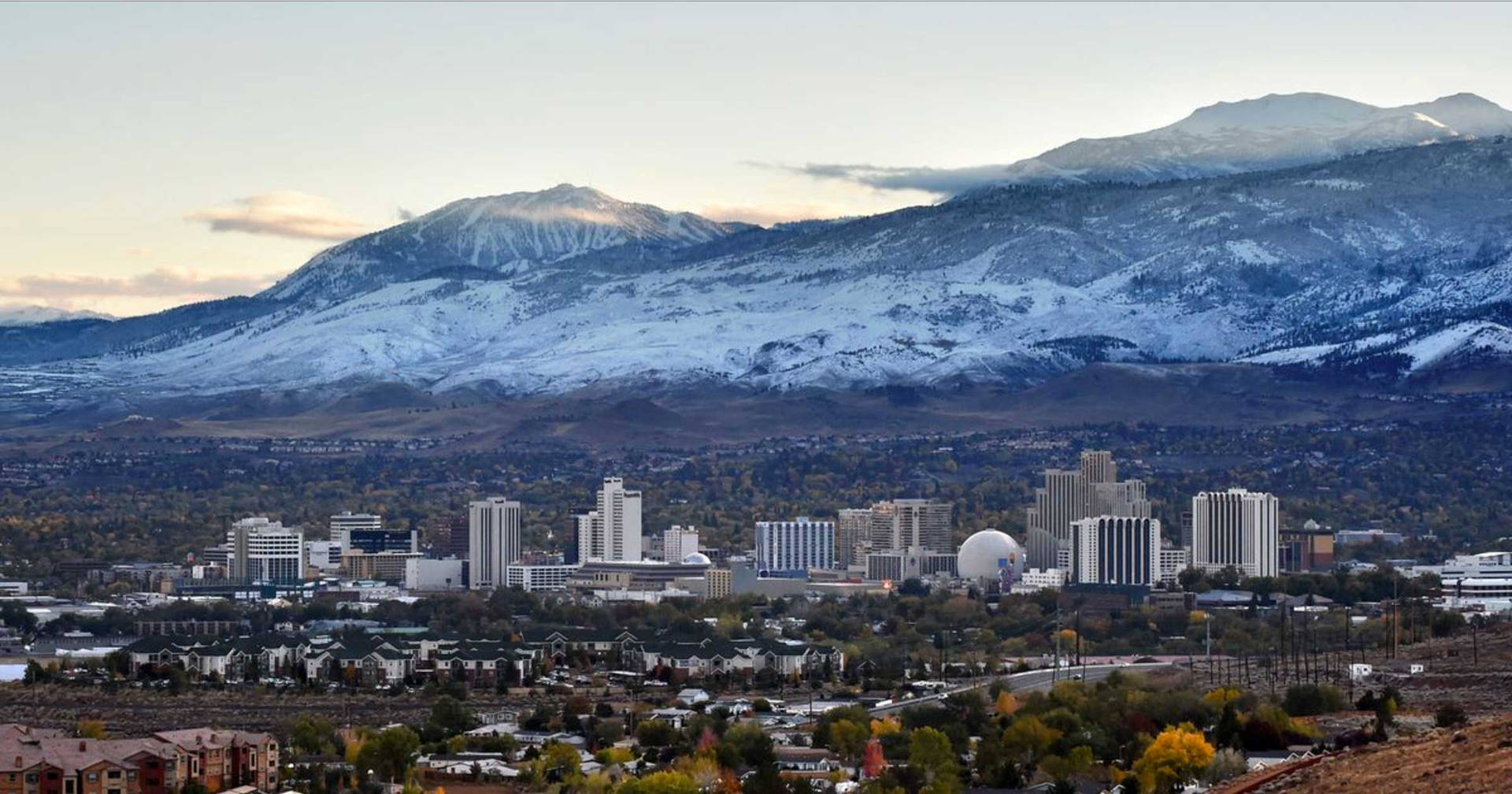
Navigating Reno Gazette Journal obituaries provides an invaluable window into the personal histories and cultural evolution of Northern Nevada. For decades, the local press has recorded the lives of residents in Washoe County and surrounding communities, creating a permanent community archive. Whether you're researching family lineage or examining regional history, understanding how to access and interpret these historical records matters.
The Reno Gazette-Journal (RGJ) functions as the primary paper of record for the region. Its pages preserve more than just dates and names; they capture the stories of miners, ranchers, entrepreneurs, and everyday citizens who shaped the high desert. This guide outlines how to track down historical entries, utilize modern digital search platforms, and avoid common archival roadblocks.
The Evolution of Northern Nevada Obituaries
The tradition of publishing death notices in Reno dates back to the early growth of the city. Early editions of regional papers featured sparse, factual announcements containing little more than a name, date of passing, and funeral arrangements. These brief notes served a strictly utilitarian purpose for tightly knit frontier towns.
As Northern Nevada grew, so did the scope of local journalism. By the mid-twentieth century, notices expanded into detailed life summaries. Because Reno attracted transient populations—frequently driven by historical divorce laws and economic shifts—obituaries often became the sole surviving public record for individuals who relocated later in life.
Local newspapers adapted alongside changing communication technologies. The transition from physical print distribution to digital databases altered how researchers access these texts. Today, historical archives span microfiche reels in local libraries to expansive online repositories hosted by platforms like Legacy.com and specialized genealogy search engines.
Navigating Modern and Historical Archives
Locating specific notices requires understanding where records live and how databases index them. Depending on the timeframe you're investigating, your search strategy will change.
Recent Records (2000 to Present)
For recent decades, digital aggregation makes finding notices straightforward. Most current entries published by the RGJ link directly to partner platforms that manage digital guestbooks and service announcements.
- Direct Newspaper Portals: Use the main publication search tools to isolate exact names and dates.
- Funeral Home Cross-References: Many regional funeral homes publish service details before or alongside newspaper submissions, often including precise cemetery coordinates.
- State Vital Records: For legal verification, cross-reference newspaper dates with Washoe County vital statistics or Nevada health division records.
Historical Records (Pre-2000)
Searching further back requires archival tools. Early twentieth-century documents are rarely indexed by optical character recognition (OCR) without error.
- Library Microfiche: The Washoe County Library System maintains physical and digital archives of historical regional papers. Local branches provide access to past editions that predated digital scanning.
- Genealogy Databases: Subscription services like Ancestry index historical newspaper clippings, making it possible to trace ancestral lines across decades of RGJ publications.
Strategic Search Tips for Researchers
When a search yields no initial results, minor adjustments to your approach can unlock hidden entries. Historical data entry is prone to human error, meaning names and dates aren't always spelled correctly in indexes.
- Search by Initials: Older notices frequently listed individuals by their initials or a husband's full name rather than a given female name.
- Account for Common Misspellings: Printers and typesetters frequently misspelled surnames during early eras. Try dropping vowels or searching phonetic variants.
- Broaden Geographic Parameters: Northern Nevada residents often utilized medical facilities or passed away in neighboring counties like Storey, Lyon, or Carson City, meaning their final notices appeared in regional editions rather than downtown Reno publications.
Common Research Pitfalls to Avoid
Researchers frequently run into dead ends due to assumptions about historical record-keeping. Avoiding these mistakes saves hours of fruitless searching.
Relying on a single database creates blind spots. Third-party aggregators frequently omit older print runs or lack complete OCR indexing for specific mid-century years. If an entry doesn't appear in one digital index, consult physical library archives or state historical societies.
Another mistake involves ignoring surviving family members listed in the text. Cross-referencing children, siblings, or spouses mentioned in an obituary often provides the exact genealogical bridge needed to confirm a lineage.
Frequently Asked Questions
How far back do digital Reno Gazette Journal archives go?
While selective indexing covers late nineteenth-century Nevada papers through various historical societies, comprehensive daily digital archives for the RGJ concentrate heavily on the late 20th century to the present. Deeper historical lookups require microfilm or specialized genealogical library subscriptions.
Can I submit a correction to a published obituary?
Modifications depend on the platform and how recently the notice was published. If submitted directly through the newspaper or its digital partners, contact their customer support or classifieds department immediately. For funeral home submissions, reach out to the funeral director managing the arrangements.
Why might an older resident have no newspaper obituary?
Not every passing resulted in a published notice. Financial constraints, private family wishes, or sudden shifts in local publishing could result in an omitted announcement. In these cases, check cemetery plot records or county death registers.
Where can I find physical copies of old Reno newspapers?
The Nevada Historical Society and major regional public libraries house extensive physical and microfilmed collections of past Reno publications available for public research.



