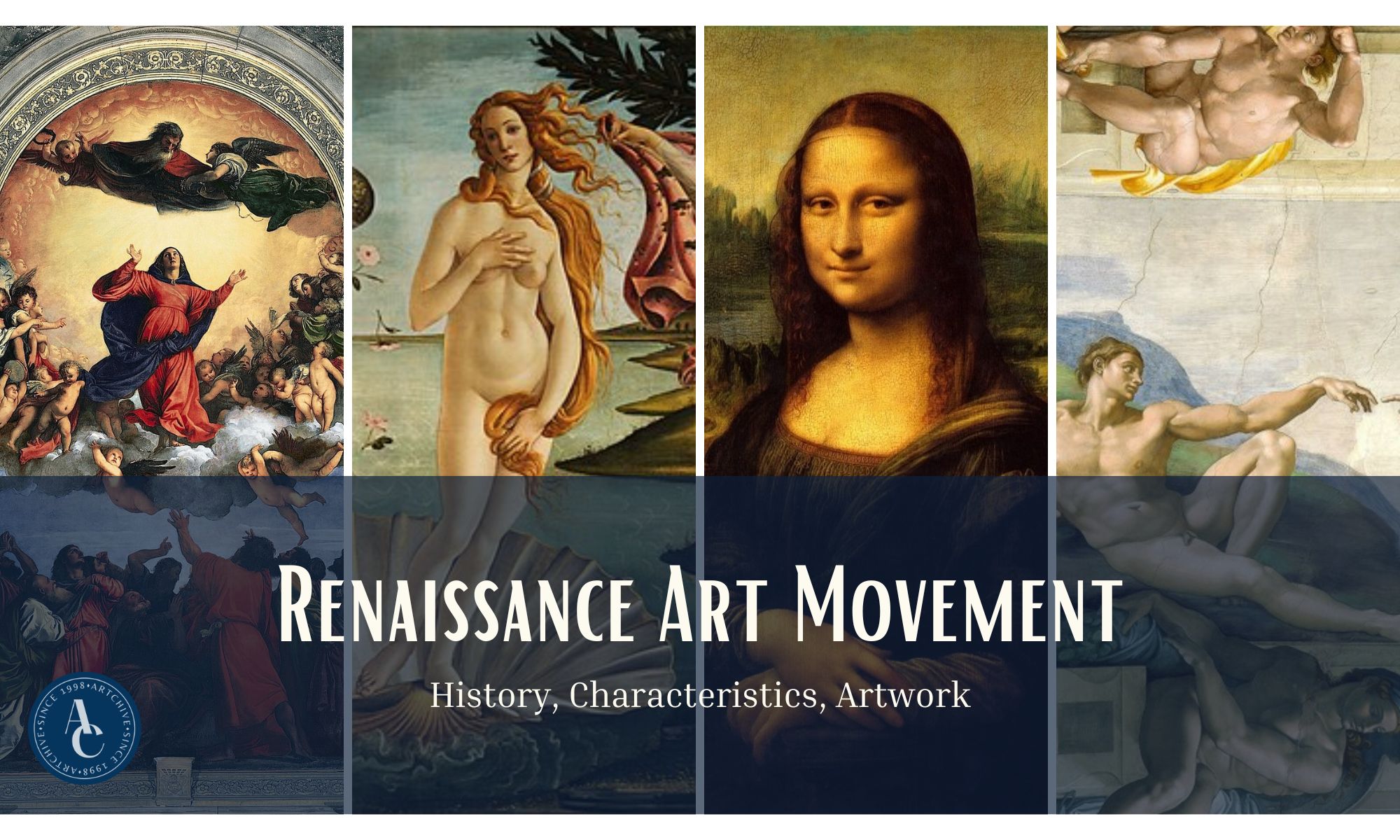
A Renaissance man is someone who masters multiple distinct disciplines, bridging art, science, and philosophy with equal fluency. While modern society rewards hyper-specialization, the polymath archetype remains the ultimate symbol of human potential. You don't need to live in fifteenth-century Florence to cultivate this mindset; you just need to understand how cross-disciplinary learning actually works.
Historically rooted in the ideal of l'uomo universale, this concept describes individuals who reject narrow box-checking in favor of comprehensive intellectual and physical development. True polymaths connect dots across unrelated fields, spotting patterns that narrow specialists miss entirely. Let's examine what makes a modern polymath function, why this versatility matters, and how you can build it into your own life.
Defining the Polymath Mindset
To understand multifaceted excellence, you have to look past superficial hobbies. Collecting random trivia or dabbling in three different sports on weekends doesn't make you a polymath. A true Renaissance individual achieves recognized competence or deep insight across several disparate domains.
History provides clear blueprints. Leonardo da Vinci wasn't just a painter; he dissected corpses to understand human musculature, engineered military weaponry, designed flying machines, and studied fluid dynamics. Benjamin Franklin printed newspapers, invented the lightning rod, drafted foundational political documents, and conducted pioneering electrical research.
These figures share a cognitive signature: horizontal curiosity paired with vertical depth. They don't just skim the surface of ten topics. They drill down far enough in three or four distinct areas to produce novel insights.
Core Traits of Multifaceted Achievers
If you study individuals who successfully operate across multiple complex fields, distinct psychological and practical traits emerge.
- Insatiable Polymathic Curiosity: They ask why things work instead of accepting functional defaults. Their reading habits span neuroscience, structural engineering, poetry, and macroeconomics without a rigid agenda.
- Mental Model Transfer: They apply frameworks from one industry directly to another. A software engineer who studies classical architecture might spot structural vulnerabilities in system design that others miss.
- High Tolerance for Beginner Stupidity: Moving from an expert domain into a completely alien field feels uncomfortable. Polymaths embrace the awkward phase of knowing nothing and push through it quickly.
- Synthesizing Ability: Instead of keeping knowledge in siloed mental lockers, they weave disparate concepts together to create unique perspectives or products.
The Modern Advantage of Versatility
Hyper-specialization creates fragile career paths. When an industry shifts or automates, narrow experts often find themselves stranded. Generalists with deep core competencies adapt much faster.
Consider how innovation actually happens. Breakthroughs rarely occur at the dead center of a well-mapped academic discipline. They happen at the jagged edges where fields collide—such as bioinformatics, cognitive psychology applied to urban design, or data science driving artistic composition.
When you possess multifaceted skills, you become a translator. You can speak engineering to developers, finance to executives, and design to creatives. That translation layer is where leadership and major breakthroughs live.
According to historical analyses by institutions like the Smithsonian Institution, many of history's most impactful inventors deliberately cross-trained in the arts to sharpen their spatial and observational reasoning.
Practical Steps to Build Multifaceted Excellence
You don't wake up knowing quantum physics and oil painting. Becoming a modern polymath requires deliberate structural habits that break you out of routine intellectual comfort zones.
1. Adopt the T-Shaped Skill Model
Build deep vertical expertise in one primary craft so you can pay your bills and anchor your professional identity. Then, build horizontal breadth across at least three secondary pillars. These could include writing, coding, public speaking, or a physical discipline like martial arts or woodworking.
2. Schedule Cross-Disciplinary Sprints
Dedicate specific hours each week to studying something completely unrelated to your day job. If you work in finance, spend four hours learning evolutionary biology or music theory. Treat this study with the same rigor you apply to professional tasks.
3. Build in Public and Connect Ideas
Keep a commonplace book or digital Zettelkasten. Write down notes from your reading, and force yourself to find links between a book on Roman history and a modern marketing challenge. Writing forces fuzzy thoughts into sharp focus.
Common Pitfalls on the Path to Versatility
Many aspiring polymaths burn out because they make predictable mistakes. Avoid these traps to sustain long-term growth.
- The Collector's Fallacy: Buying books or signing up for courses and confusing that consumption with actual competence. Reading about philosophy isn't the same as wrestling with the texts and writing your own critiques.
- Shallow Dabbling: Jumping from hobby to hobby every two weeks without ever reaching the intermediate friction point where real learning happens. Give each new pursuit at least six months of consistent practice.
- Neglecting the Core: Expanding outward while letting your primary professional competence decay. Versatility should amplify your core work, not sabotage it.
Frequently Asked Questions
Is it still possible to be a Renaissance man in the modern world?
Yes, though the scale of human knowledge makes it impossible to know everything. Modern polymaths focus on mastering three or four distinct, complementary pillars rather than trying to consume all scientific and artistic output.
How much time should I dedicate to secondary skills?
Even five to seven hours a week of focused, deliberate practice outside your primary field yields massive compounding results over the course of three to five years.
What is the difference between a generalist and a polymath?
A generalist knows a little bit about many things, often acting as a jack-of-all-trades. A polymath achieves deep, functional competence or mastery in multiple distinct, rigorous disciplines.
Can anyone develop this mindset, or is it innate?
It's almost entirely learned. Curiosity can be starved through rote schooling or rekindled through deliberate habits of reading, questioning, and cross-training.



