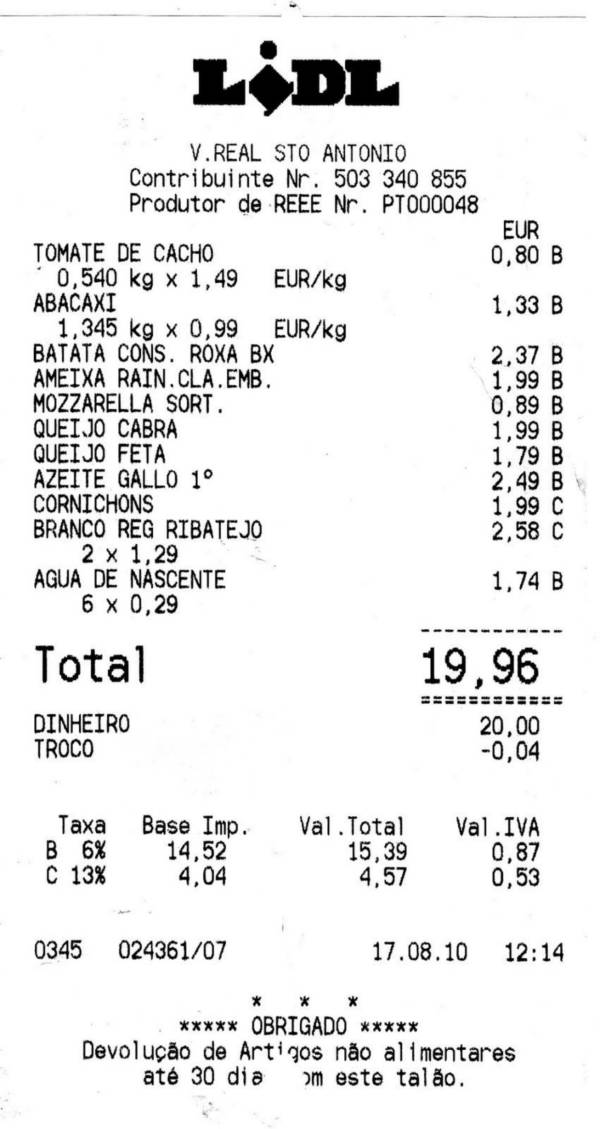
A receipt acknowledgement email is a concise digital message sent immediately after funds or invoice documents land in your system, confirming the exact details of the transaction. Without this quick confirmation, clients often assume payments vanished in transit, which triggers anxious follow-up calls, double-payments, or formal chargebacks. Clear communication from the start stops minor misunderstandings before they turn into costly financial friction.
When a client sends money across digital portals, wire transfers, or credit card networks, a short window of uncertainty opens. They don't know if your accounting software caught the transfer or if it bounced. Sending a receipt acknowledgement email closes that anxiety window instantly. It establishes an unshakeable paper trail that protects your cash flow and builds immediate trust.
Why Payment Confirmations Matter
Financial disputes rarely start from massive fraud. They usually begin with poor communication and missing timestamps. If a client wires funds on a Friday afternoon and hears nothing by Monday morning, panic sets in. They might call their bank to stop the transfer, or worse, dispute the charge because they think you ignored them.
A prompt confirmation eliminates guesswork. It locks in the transaction date, exact amount, and reference numbers while memories are fresh. If an audit happens months later, both parties have a clean electronic record that points to a single source of truth. Relying on vague bank statement lines isn't enough when accounts receivable teams try to reconcile complex ledger entries. For further context on this development, comprehensive coverage is available at NerdWallet.
Core Elements of a Proper Confirmation Message
Building an effective template doesn't require complex prose. It requires absolute clarity and structured data fields. Every strong confirmation note should include specific pillars to satisfy both accounting teams and legal compliance checks.
- Exact transaction identifier: Reference numbers, invoice numbers, or purchase order codes.
- Financial specifics: The exact currency, net amount received, and payment method used.
- Processing timestamp: The precise date and time funds cleared your processor or bank.
- Clear next steps: Expected delivery windows for goods, or confirmation that the account balance is clear.
You should format these elements cleanly so readers don't have to squint at paragraphs of text. For example, a software vendor charging a monthly retainer can automate this trigger the second a Stripe or Stripe Documentation webhook confirms a successful charge.
Automating the Workflow Without Losing the Human Touch
Manual confirmations slow down operations as a business scales. Relying on tired staff to email every client who pays an invoice leads to missed notices and human error. Modern accounting software and CRM platforms allow you to automate this process seamlessly.
You should design templates that merge dynamic variables like client names, invoice totals, and payment dates automatically. However, automation shouldn't feel robotic or cold. Keep the language direct, warm, and professional.
- Connect your payment gateway to your accounting ledger.
- Draft a clean template that pulls custom variables for each client.
- Set the trigger to fire immediately upon successful transaction clearance.
- Test the automated output monthly to catch broken token fields or formatting glitches.
According to Federal Trade Commission guidelines on commercial transactions, maintaining clear records of consumer payments and receipts protects both sides from deceptive billing claims and unresolved discrepancies. Clean digital records serve as your primary defense during financial reviews.
Common Mistakes That Trigger Disputes
Even well-meaning finance teams often make avoidable errors when sending out payment receipts. Fixing these mistakes drastically cuts down on inbound support tickets and invoice disputes.
Vague subject lines cause massive friction. If your subject reads Payment Update, the client might archive it without reading. Instead, use a precise subject line like Payment Received: Invoice #4092 for Acme Corp. This lets the client's accounts payable team instantly log the receipt without opening three sub-folders.
Another frequent error is failing to specify partial payments versus full settlements. If a client sends half of an outstanding balance and receives a generic receipt, they might assume their account is paid in full. Your message must state the remaining balance clearly so expectations stay aligned.
Frequently Asked Questions
How fast should a receipt acknowledgement email go out?
You should send it immediately upon payment clearance. Automated triggers make this happen within seconds, which gives the payer instant peace of mind.
Do I need to send a receipt if the payment gateway already sent one?
Yes. Gateway receipts from processors like PayPal or Stripe are generic. Your branded receipt acknowledgement email connects the payment directly to your internal invoice numbers and project scopes.
What should I do if a client claims they paid, but no confirmation was sent?
Check your merchant processor logs and bank feeds first. If the funds didn't land, reply with a polite update showing your current ledger status and ask them to provide their bank transfer slip for tracing.
Can text messages replace email receipts?
Text messages work well for quick point-of-sale retail purchases, but B2B transactions require email. Business accounting departments need a permanent, searchable document trail for tax and auditing purposes.



