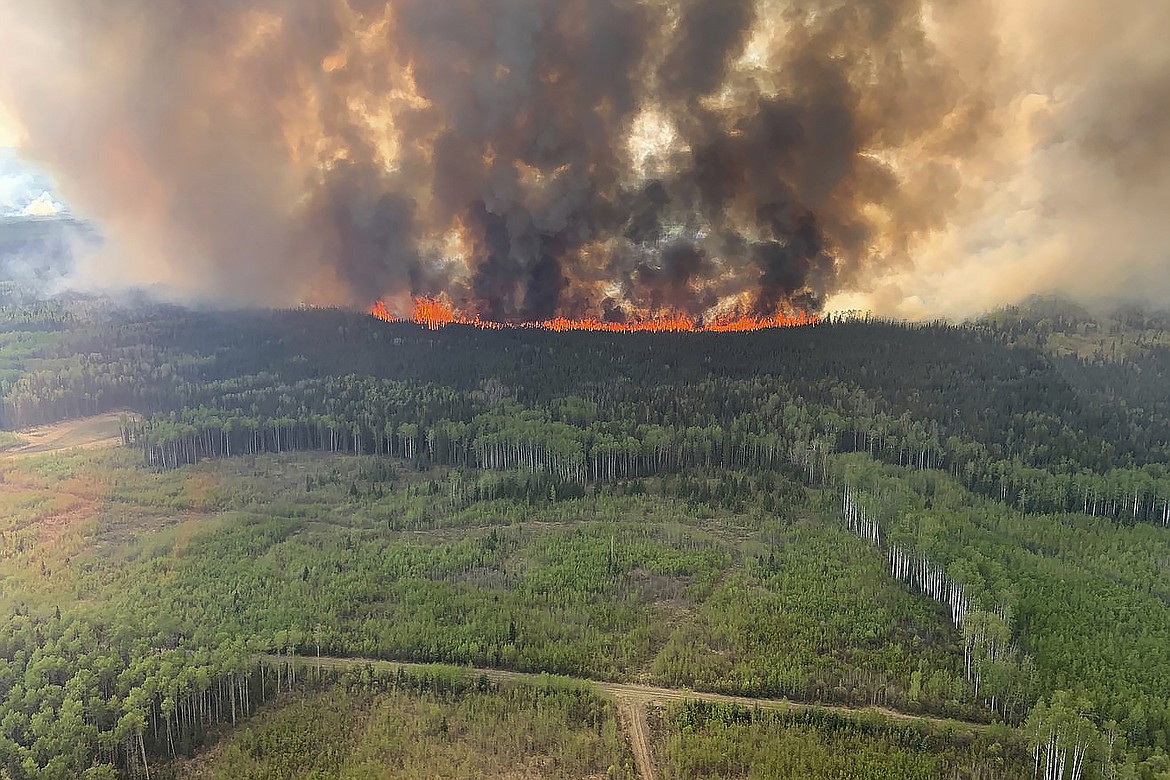
Effective emergency management depends on immediate situational awareness and structured coordination. When critical incidents occur, public safety agencies and operational teams can't afford communication silos or delayed reporting loops. Real-time crisis tracking bridges the gap between raw dispatch data and organized tactical execution.
Real-time crisis tracking refers to the continuous collection, processing, and visualization of emergency incidents as they unfold. By utilizing automated dispatch systems and live feeds, command centers can monitor unfolding events—ranging from structural fires to severe medical emergencies—with minute-by-minute accuracy. Modern response protocols translate this incoming data stream into coordinated action, ensuring resources deploy to the right coordinates without administrative bottlenecks.
The Architecture of Real-Time Incident Tracking
Tracking high-stakes emergencies requires an integrated technical infrastructure. Traditional paper logs and fragmented phone calls create dangerous information voids during fast-moving events. Modern dispatch centers rely on centralized software architectures that capture calls for service the moment they hit emergency lines.
- Intake and Triage: Dispatchers log initial reports, categorizing incidents by type, priority, and geographic location.
- Automated Feed Generation: Central command software processes active calls, refreshing public and internal dashboards at short intervals—often every five minutes.
- Spatial Mapping: Geographic Information Systems (GIS) plot incidents onto interactive maps, allowing supervisors to visualize clusters, traffic hazards, and resource distribution.
This automated pipeline ensures that field units receive verified details before arriving on scene. It also provides municipal leaders and safety officers with an overarching view of regional strain during widespread emergencies.
Core Components of Response Protocols
Tracking an incident is only half the battle. Without standardized response protocols, live data cannot prevent operational chaos. Well-designed crisis response plans establish clear chains of command and predictable workflows.
Establishing Command and Control
The initial minutes of any major incident require a unified command structure. Dispatch must designate clear roles to avoid confusion between police, fire, and emergency medical services. Supervisors monitor incoming tracking feeds to allocate appropriate units based on severity rather than first-come, first-served logic.
Establishing Safe Corridors
In complex or active threat environments, emergency response protocols mandate the creation of secure zones. Tactical teams secure the primary area, establishing a cold zone for staging and a warm zone for controlled operations. Real-time tracking tools help dispatchers update field units on shifting perimeter boundaries and secondary hazards.
Common Failures in Crisis Tracking
Many organizations implement live tracking dashboards but fail to see results because of structural missteps. Recognizing these pitfalls helps teams harden their emergency workflows.
- Information Overload: Flooding operators with unverified social media reports alongside official dispatch data causes cognitive fatigue and slows down decision-making.
- Delayed Manual Entry: Relying on personnel to manually transcribe radio traffic into a tracking system introduces dangerous lag times. Systems must integrate directly with computer-aided dispatch (CAD) software.
- Siloed Communication: When police, fire, and medical teams use incompatible tracking views or separate radio channels, cross-agency coordination breaks down during multi-jurisdictional events.
Maintaining data hygiene and strict operational discipline keeps tracking dashboards useful during high-pressure scenarios.
Building an Actionable Incident Response Strategy
Transitioning from passive observation to active crisis mitigation requires deliberate preparation. Organizations and municipal agencies should audit their current workflows to ensure real-time tracking feeds directly into tactical decisions.
Review how field units consume live data. Mobile terminals inside emergency vehicles should display clean, filtered incident maps that highlight relevant hazards without cluttering the screen. Regular tabletop exercises help teams practice interpreting live feeds under simulated stress, ensuring that technology serves as an asset rather than a distraction. For broader guidelines on emergency preparedness frameworks, consult resources provided by the Ready.gov campaign or federal safety standards via OSHA.
Frequently Asked Questions
How often is real-time incident tracking data updated?
Most professional dispatch and tracking systems refresh their data feeds every few minutes to reflect active status changes, unit arrivals, and newly reported calls for service.
What is the difference between an active incident map and a historical log?
An active incident map displays ongoing events currently requiring emergency intervention. Historical logs archive past incidents for compliance, auditing, and post-crisis analysis.
Why is unified command important during a crisis?
A unified command structure prevents conflicting orders from multiple agencies, ensuring that police, fire, and medical personnel operate under a single, coherent strategy.
How do dispatch systems categorize different emergencies?
Dispatchers use standardized event codes to separate fire events, medical emergencies, motor vehicle crashes, and public safety hazards, allowing automated systems to sort and display data efficiently.