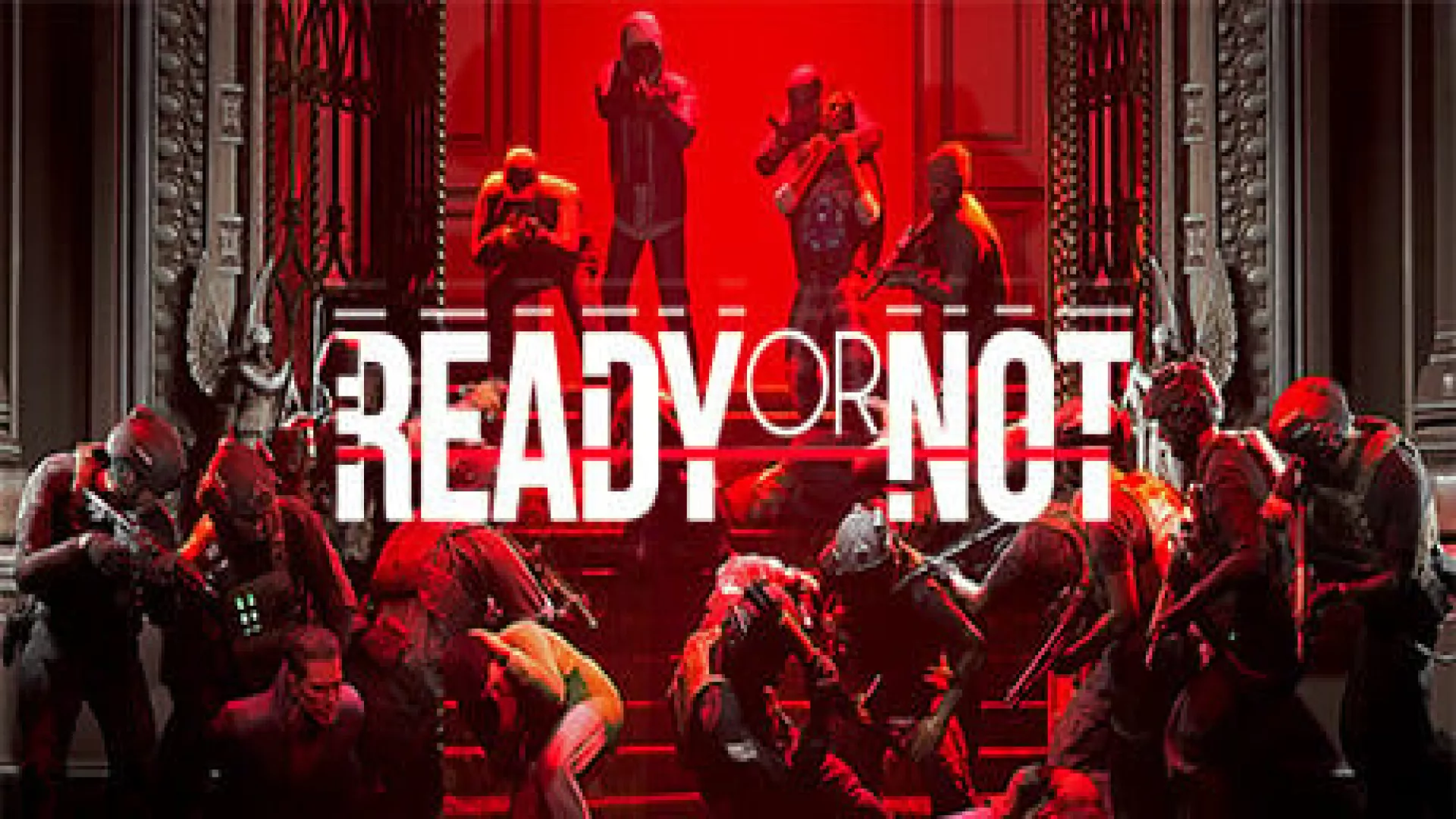
Bringing a hardcore, unyielding tactical shooter like Ready or Not from PC to PlayStation 5 and Xbox Series X|S changed how console players experience the genre. For years, console owners looking for realistic shooter experiences had to make do with slower ports or mainstream titles that prioritized run-and-gun mechanics. When VOID Interactive launched the game on consoles, it proved that modern hardware could handle deep, methodical breach-and-clear gameplay without watering down the core experience.
The port changed industry expectations by showing there's a strong, underserved market for uncompromising tactical realism on living room hardware. Instead of trimming down the complex controls, ballistic simulations, and strict rules of engagement, the developers mapped a complex PC command structure onto standard controllers. This shift forced other studios to rethink what console players will tolerate, proving that slower, high-stakes tactical coordination can thrive outside of the PC ecosystem.
Translating Hardcore Tactics to DualSense and Controllers
Adapting a game designed around a full keyboard and mouse onto a controller is notoriously difficult. Ready or Not relies on contextual menus, lean mechanics, inventory management, and granular team commands. On console, VOID Interactive streamlined these inputs through radial menus and modifier buttons, allowing players to order AI squadmates or coordinate with human teammates smoothly.
Mastering the controller layout requires unlearning muscle memory built from fast-paced multiplayer shooters. You can't sprint blindly around corners or rely on instant health regeneration. The controller's analog sticks actually help with subtle movement control, making slow peeks and deliberate door entries feel grounded.
- Use modifier inputs wisely: Map crucial actions like leaning or equipment selection to accessible thumbstick clicks or bumper combinations.
- Lean into radial menus: Practice opening and navigating command wheels under pressure so you don't freeze during a breach.
- Adjust deadzones: Fine-tune your controller deadzones to balance tight aim adjustments with smooth room clearing.
How Controller Performance Compares to PC Precision
Console players face a natural disadvantage when playing a game where split-second headshots dictate survival. Without a mouse, snapping to threats behind cover takes more deliberate positioning and pre-planning. This changes the meta of the game entirely on PS5 and Xbox. Console lobbies rely heavier on cooperative communication, flashbang deployment, and shield usage rather than raw twitch reflexes.
Developers achieved stable performance targets on current-gen hardware, maintaining playable frame rates during chaotic gunfights filled with dynamic lighting and particle effects. While graphical fidelity takes a slight hit compared to high-end PC rigs running max settings, the core atmosphere remains intact. The oppressive sound design, dark corridors, and unpredictable AI behavior translate seamlessly, creating the same level of genuine tension.
Navigating Rules of Engagement on Console
One element separating this title from casual shooters is the strict adherence to legal and moral rules of engagement. You aren't playing an action hero mowing down waves of generic enemies. You play as a Los Sueños SWAT officer tasked with neutralizing threats only when justified, prioritizing arrests and evidence collection whenever possible.
Shooting an unarmed civilian or an incapacitated suspect who has surrendered results in severe score penalties and mission failures. Console players coming from traditional arcade shooters often struggle with this restraint.
- Always shout compliance: Yell to surrender before opening fire unless an active threat is actively shooting at you.
- Secure weapons immediately: Dropped firearms must be bagged as evidence even after a suspect is cuffed.
- Watch your crossfire: Hailing bullets into crowded rooms risks hitting civilian hostages or fellow officers.
Why This Release Matters for the Industry
The success of tactical PC ports on current-generation hardware signals a broader shift in publisher strategies. For a long time, hardcore tactical shooters were viewed as niche PC-only experiences. By proving that console players will embrace steep learning curves and slow-paced coordination, this release opens the door for other deep simulation titles to make the jump.
Platforms like Steam have long hosted these indie-born tactical gems, but reaching console storefronts exposes them to millions of new players. Major publishers are taking notes. When a title succeeds without simplifying its core mechanics, it encourages the entire industry to respect player intelligence rather than dumbing down mechanics for mass appeal.
Frequently Asked Questions
Does the console version support crossplay?
Yes, the game supports crossplay functionality across supported platforms, allowing console and PC players to team up, though communication via voice chat remains vital for success.
Are all PC updates and downloadable content available on console?
Major expansions and content updates, such as the Home Invasion and Dark Waters packs, roll out alongside or shortly after PC releases, ensuring console players get the full gameplay suite.
Can you play the game entirely solo with artificial intelligence teammates?
Yes, Commander Mode allows you to issue tactical commands to a squad of AI officers if you prefer playing offline or testing strategies alone.
How punishing is the single-player campaign progress?
If you enable Ironman mode, officer deaths and mission failures carry permanent consequences that can wipe your campaign progress, demanding extreme caution on every single map.



