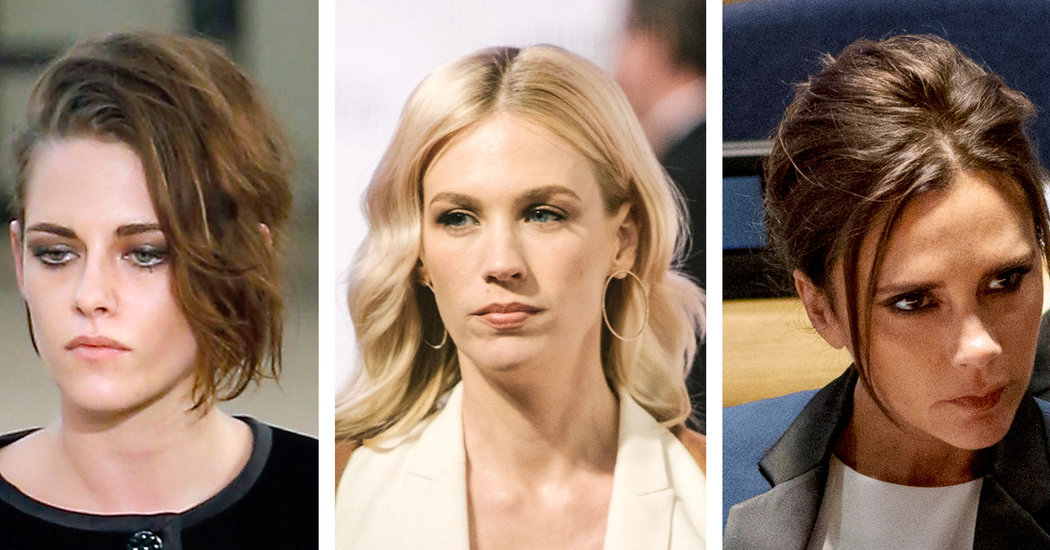
Understanding Texting RBF
Resting Bitch Face usually refers to a neutral facial expression that looks annoyed, angry, or cold. But digital communication stripped away physical cues, creating a new linguistic phenomenon: RBF in texting. When your digital tone reads as hostile, dismissive, or stone-cold even when you feel completely normal, you are dealing with text RBF.
Text RBF happens because written words lack the safety net of vocal inflection, facial expressions, and body language. Without these signals, the brain defaults to the worst-case scenario. A simple period at the end of a sentence can transform a friendly confirmation into a passive-aggressive brush-off. If your friends constantly ask if you are mad at them over chat, or if your coworkers misread your updates as cold, your text style likely suffers from this condition. Fixing it requires understanding how text tone works, recognizing the triggers that make you sound harsh, and actively adjusting your digital habits.
Why Texting RBF Happens
Digital communication relies entirely on text, punctuation, and formatting. When you remove face-to-face interaction, the recipient's brain works overtime to fill in the blanks. Several distinct factors cause normal messages to read with unintended hostility.
The Weaponization of Punctuation
Punctuation marks carry emotional weight in modern text culture. While grammar rules require periods at the end of sentences, modern texting conventions treat the period as a sign of finality, anger, or coldness.
Consider these two responses to an invitation:
- "Sure."
- "Sure!"
The first response uses a traditional period. To the average reader under forty, that period signals curtness, reluctance, or annoyance. The second response uses an exclamation point, which feels warm, agreeable, and enthusiastic. When you type short sentences ending in periods, you project an abrupt vibe that feels abrasive.
Brevity vs. Coldness
Efficiency is a major goal of texting. People often reply with single-word answers to save time:
- "Yeah"
- "No"
- "K"
- "Fine"
While these answers are factually correct and efficient, they lack warmth. To a recipient waiting for an engaging conversation, a flat one-word reply feels like a slammed door. This brevity is a primary driver of text RBF, as it mimics the monosyllabic responses someone gives when they want you to leave them alone.
The Absence of Paralinguistic Cues
In a face-to-face conversation, up to ninety percent of communication is nonverbal. Your tone of voice, posture, eyebrow movements, and smile soften your words. If you say, "That is a terrible idea," with a warm grin and a playful voice, the listener knows you are joking. If you type, "That is a terrible idea." into a chat box without emojis or softener words, the recipient reads it as a direct insult. Text flattens context, turning neutral statements into blunt instruments.
The Cost of Text RBF
Misinterpreting text tone causes real friction in personal and professional relationships. When people constantly read hostility into your messages, misunderstandings multiply.
In professional settings, text RBF damages workplace relationships. Slack and Microsoft Teams channels require constant short-form communication. If your quick status updates sound dismissive, teammates might hesitate to ask you for help or assume you are difficult to work with. According to workplace communication studies from organizations like the Pew Research Center, tone ambiguity is a leading cause of digital workplace stress.
In personal relationships, text RBF creates unnecessary anxiety. Partners, family members, and friends spend mental energy trying to decode your emotional state. Instead of focusing on the topic at hand, they focus on whether you are upset with them. This constant vigilance tires out the people closest to you and forces you to spend half your time clarifying that you are, in fact, fine.
Practical Steps to Soften Your Texting Style
You don't need to change your personality to fix text RBF. You just need to add minor linguistic buffers that signal warmth and openness. Small adjustments to your formatting can completely change how your messages land.
Audit Your Punctuation Habits
Break the habit of using hard stops in casual chat. Drop the final period on single-sentence messages.
- Instead of typing: "I am on my way."
- Try typing: "I am on my way" or "On my way!"
The period adds zero informational value to a text message, but it subtracts warmth. Save periods for multi-sentence paragraphs where they serve a structural purpose.
Expand One-Word Answers
Never send a bare, monosyllabic reply unless the situation demands extreme urgency. Add a modifier, a friendly punctuation mark, or a brief elaboration.
- Cold: "No"
- Warm: "Not quite, but let me check on that!"
- Cold: "K"
- Warm: "Sounds good, thanks!"
Adding a few extra characters takes two seconds, but it saves the recipient minutes of overthinking.
Use Softeners and Frame Words
Softener words cushion the blow of direct statements. Words like "just," "maybe," "I think," and "feel free to" signal collaboration rather than a command.
- Blunt: "Send me the report by Tuesday."
- Softened: "Whenever you get a chance, could you send over that report by Tuesday?"
While blunt directions work in emergencies, softening everyday requests prevents you from sounding like a drill sergeant.
Deploy Emojis and Gifs Strategically
Emojis are the digital equivalent of facial expressions and vocal tone. A thumbs-up emoji, a smiling face, or a laughing reaction acts as emotional insurance. It tells the reader how to interpret the text.
You don't need to overdo it. A single appropriate emoji at the end of a message instantly neutralizes any accidental harshness. If emojis aren't your style, lowercase typing can achieve a similar effect. People often type entirely in lowercase during casual chats to signal a relaxed, unhurried demeanor.
Common Mistakes When Trying to Fix Text RBF
As you adjust your texting style, watch out for overcorrections that create new problems.
Over-Apologizing
If you realize you sound cold, don't overcompensate by adding excessive apologies or disclaimers to every sentence. Saying "I'm so sorry if this sounds mean, but..." before every message makes you sound anxious and insecure. Aim for balanced, neutral warmth rather than nervous cheerfulness.
Forced Enthusiasm
You don't need to turn into an overly bubbly person online. Using five exclamation points and dancing emojis when you are naturally reserved feels fake. Find a middle ground that matches your authentic personality while remaining approachable.
Inconsistent Tone
Switching abruptly between ultra-formal, clipped messages and hyper-casual messages confuses people. Keep your digital voice relatively consistent across platforms so people know what to expect from you.
Frequently Asked Questions
What does RBF stand for in texting?
It stands for Resting Bitch Face. In the context of texting, it describes messages that read as rude, cold, or angry even when the sender feels neutral or friendly.
Are periods at the end of texts always bad?
No. In professional emails or serious conversations, periods are standard grammar. In casual texting with friends or peers, however, a single sentence ending with a period often reads as abrupt or passive-aggressive.
How do I tell someone their texts sound rude without starting a fight?
Lighten the mood with humor. You can say something like, "Your texts always sound like an assassin contract, are you alive over there?" This addresses the tone issue playfully without accusing them of being mean on purpose.
Does typing in all lowercase cure text RBF?
Often, yes. All-lowercase typing strips away the rigid formality of grammar rules, making messages feel casual, relaxed, and low-pressure. However, it can look unprofessional in workplace settings.


