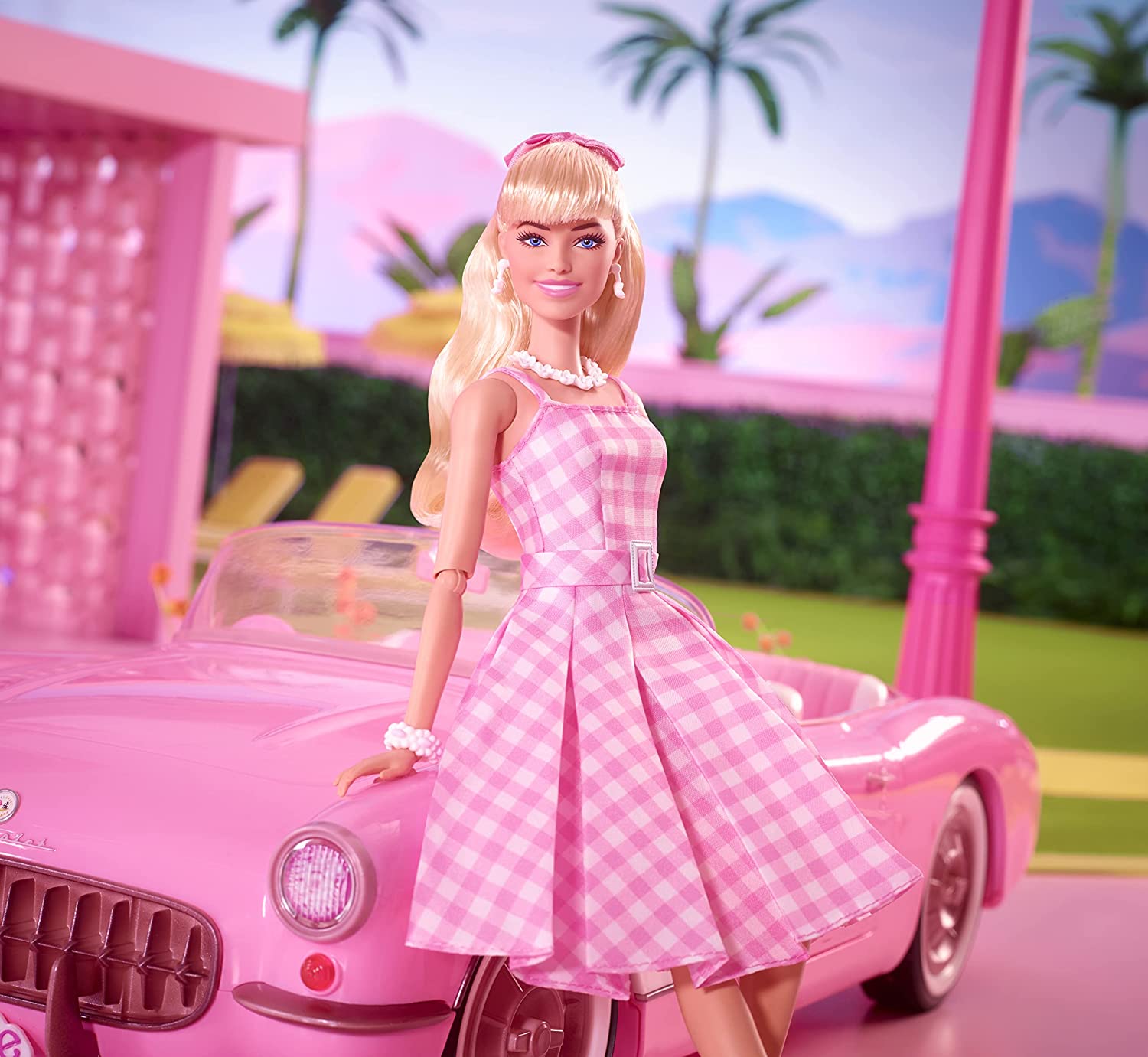
The global Barbie doll market generates billions in retail and secondary sales, driven by an intense collector community chasing vintage rarities. While most mass-produced playline dolls from recent decades hold minimal resale value, rare early editions and limited designer collaborations regularly command thousands at auction. Understanding what actually drives value separates a high-priced investment from a common thrift store find.
Valuing a collection requires looking past nostalgia and examining precise production markers, original packaging, and physical condition. This analysis breaks down the rarity tiers, market economics, and practical evaluation steps that shape the modern Barbie collecting landscape.
The Anatomy of a Valuable Barbie Doll
Not all old dolls carry high price tags. The secondary market relies on specific scarcity markers established by Mattel and verified by auction houses like Potteries Auctions.
Era and Production Number
The earliest dolls produced between 1959 and 1963 anchor the high end of the market. An original 1959 Ponytail Barbie featuring the classic black-and-white striped swimsuit can fetch upwards of £25,000 when preserved in mint condition with its original box. Early variants like the 1965 Twist 'n Turn or the 1966 Color Magic Barbie command heavy interest due to short manufacturing windows and unique mechanical features.
Packaging Status: NRFB
Condition dictates pricing velocity. Collectors use the acronym NRFB (Never Removed From Box) to describe pristine specimens. A doll removed from its packaging, even if kept on a display shelf, often loses half its potential resale value compared to a factory-sealed example. Original boxes, wrist tags, and unpunched backing cards act as multipliers for serious buyers.
Modern Label Tiers
Mattel introduced a tiered labeling system to categorize modern collector editions based on strict production caps:
- Platinum Label: Production runs limited to 1,000 units or fewer worldwide, representing the peak of modern scarcity.
- Gold Label: Quantities restricted to 25,000 units, frequently featuring designer attire or pop culture tie-ins.
- Silver Label: Capped at 50,000 units, targeted at mainstream hobbyists.
- Pink Label: Open-edition collector lines with higher distribution numbers.
High-Value Milestones in the Global Market
The economic scale of Barbie collecting stretches far beyond simple childhood memories. According to industry data published by Business Research Insights, the broader global Barbie market is valued in the billions, buoyed by adult collectors, museum acquisitions, and high-profile charity auctions.
Ultra-Rare High-End Sales
The absolute records belong to bespoke or charity items featuring precious materials. A notable example is the Stefano Canturi Barbie auctioned for charity, which featured a real pink diamond set in white gold and sold for hundreds of thousands of dollars. While these extreme pieces rarely trade on the open market, they elevate brand visibility and lift secondary prices for related designer series.
Unexpectedly Valuable 1990s Releases
Many collectors assume only mid-century vintage items hold worth, but specific 1990s releases defy that rule. For instance, 1992 Totally Hair Barbie became a massive commercial success, yet factory-sealed versions now trade reliably for triple digits due to intense millennial nostalgia. Similarly, early Holiday Barbie editions from the 1990s hold steady values between $75 and $200 when kept in pristine boxes.
Step-by-Step Guide to Appraising Your Collection
If you've inherited a tote bag of vintage dolls or uncovered childhood toys in an attic, use this methodical process to assess their worth:
- Locate Body Markings: Check the lower back, buttocks, or back of the neck for Mattel copyright stamps, patent numbers, and country of origin (such as Japan, Taiwan, or Indonesia). Early 1960s dolls feature specific text layouts that help date production precisely.
- Inspect Hair and Paint: Look for trimmed hair, green ear staining (caused by chemical reactions from vintage metal earrings), and factory-original facial screening. Restored paint or cut hair instantly shifts a doll into the playline category.
- Audit Accessories: Match shoes, sunglasses, purses, and booklets to original catalog releases. Complete outfits with authentic snaps and zippers command higher bids than nude dolls or mismatched garments.
- Consult Real Sold Data: Ignore inflated asking prices on peer-to-peer marketplaces. Check completed and sold listings on auction archives to see what buyers actually pay.
Common Mistakes Collectors Make
Avoid these frequent missteps when buying, storing, or selling vintage dolls:
- Cleaning Vintage Plastic: Using harsh household cleaners, alcohol, or boiling water on vintage vinyl can melt plasticized bodies or permanently ruin delicate facial paint. Stick to mild dish soap and lukewarm water only when strictly necessary.
- Discarding Packaging: Throwing away outer cardboard shipper boxes or display packaging destroys a significant portion of a collector item's future value.
- Trusting General Price Guides: Printed books age poorly. Online auction databases provide up-to-date pricing that reflects current economic demand.
- Ignoring Storage Climate: Storing dolls in hot attics or damp basements warps plastic limbs, degrades elastic bands, and causes boxes to warp or grow mold.
Frequently Asked Questions
How do I know if my old Barbie is a rare first edition?
Check the right hip or lower back for standard markings. First-edition 1959 dolls feature holes in the feet for metal stands, white irises in the painted eyes, and distinct matte skin textures. Consulting official collector registries helps verify exact manufacturing runs.
Do played-with Barbie dolls have any resale value?
Most played-with dolls from the 1970s onward sell for modest amounts (typically under $30) unless they represent extreme regional rarities or error variants. Condition dictates more than 80 percent of a toy's secondary market value.
Why do some modern Barbie dolls cost more than vintage ones?
Strict production caps, such as Gold and Platinum Label releases, restrict supply intentionally. When a designer collaboration or convention-exclusive doll sells out instantly, secondary demand pushes prices past standard vintage items that were produced in millions of copies.
Where is the safest place to sell collectible Barbie dolls?
Specialized toy auction houses and dedicated collector platforms offer the best protection and exposure for high-value sales. General classifieds work well for common playline items, but premium vintage pieces achieve stronger bids through curated auction houses with established buyer bases.


