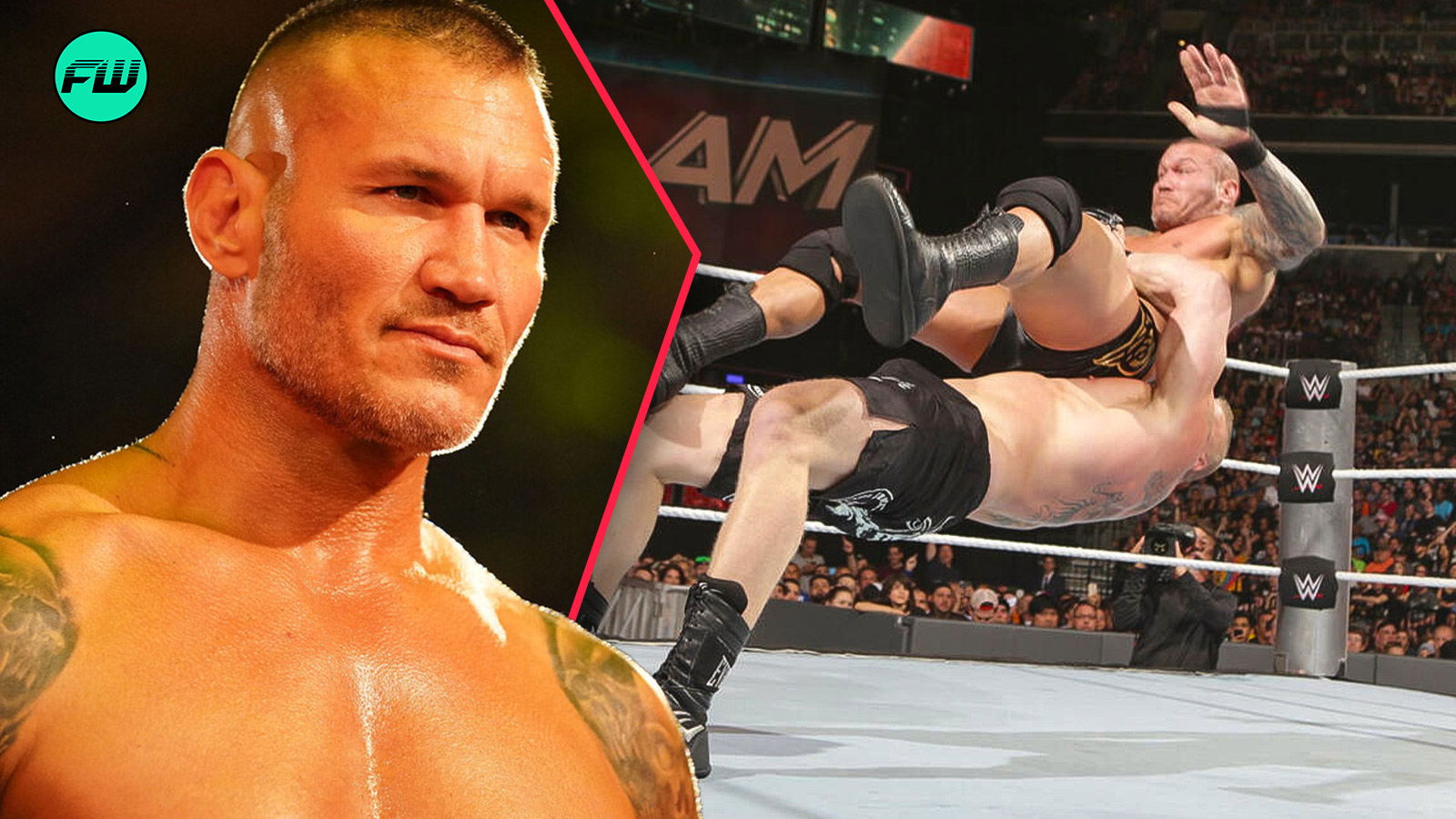
Wrestling fans and internet surfers alike know the opening lines, "I hear voices in my head, they counsel me, they understand." Long before short-form video apps dominated social media, professional wrestler Randy Orton and his iconic entrance theme became the foundation for one of the most recognizable audio cues in sports entertainment history.
Understanding the story behind this cultural touchstone requires looking at how a standard WWE entrance theme evolved into a viral internet phenomenon. From its debut during WWE's Ruthless Aggression era to its transformation into an ironic soundbite, the "voices" track has left a permanent mark on digital meme culture.
The Origin of the Theme Song
In May 2008, World Wrestling Entertainment needed a fresh persona shift for Randy Orton, who was already establishing himself as the company's premier villain. The hard rock band Rev Theory was commissioned to record a track that captured the erratic, unhinged nature of Orton's character.
Originally titled "Voices," the song debuted on Monday Night Raw. It replaced his previous theme, "Burn in My Light," which fans associated with his earlier, more conventional face and heel runs. The lyrics directly mirrored Orton's psychological state on screen—someone driven by internal voices telling him to commit violent acts against authorities, opponents, and peers.
The chorus struck a chord with viewers because it matched the erratic pacing of Orton's character progression. Instead of a generic heavy metal riff, the song featured a brooding intro, spoken-word styling, and an explosive chorus that signaled his immediate arrival to the ring.
Transition Into Internet Culture
As video-sharing platforms expanded in the early 2010s, wrestling audio clips frequently escaped the confines of television broadcasts. The stark contrast between the heavy rock production and Orton's deadpan, intense glare made the audio ripe for parody.
Users began stripping the opening line—"I hear voices in my head"—and layering it over unrelated, mundane, or chaotic footage. If someone appeared confused, paranoid, or caught mid-action in a viral clip, editors would overlay the haunting guitar chords and opening lyric to imply the subject was hearing the same phantom advice as the WWE superstar.
The meme gathered massive momentum alongside the "RKO Outta Nowhere" trend on Vine in 2014. While the RKO meme focused on photoshopping Orton executing his signature wrestling move into random clips of people falling, the "voices" meme played heavily on psychological absurdity. Creators used the track to soundtrack everyday awkwardness, office daydreams, or minor inconveniences, treating them with the dramatic weight of a WWE main event.
Why the Audio Persists Online
Several specific factors keep this meme relevant across digital platforms years after its peak:
- Immediate Recognition: The opening seconds are distinct enough that viewers recognize the reference within a single beat.
- Versatility: The lyrics apply to any situation involving internal debate, confusion, or making a questionable choice.
- Nostalgia Factor: Fans who grew up watching WWE during the 2000s are now the primary creators of internet content, ensuring wrestling references surface organically.
For further reading on official WWE broadcasts and media history, you can check historical archives at WWE or explore music tracking details on Songfacts.
Common Misconceptions About the Audio
A frequent point of confusion among casual internet users involves who actually performs the track. Some fans mistakenly attribute the song to mainstream rock acts like Nickelback or Breaking Benjamin due to the mid-2000s post-grunge production style. In reality, Rev Theory performed the track specifically for the WWE music library, cementing the band's legacy outside traditional radio hits.
Another misconception is that the song was written after a specific storyline angle. While it matched Orton's "Apex Predator" persona, the music was commissioned as a broad branding refresh rather than a reaction to a single match or feud.
Frequently Asked Questions
Who sings Randy Orton's theme song?
The song is performed by the American rock band Rev Theory, who recorded it specifically for WWE in 2008.
When did Randy Orton start using Voices?
Orton debuted the theme song on the May 12, 2008, episode of Monday Night Raw.
Why did WWE change his previous theme song?
Management wanted a heavier, more aggressive sound that matched his evolution into a top-tier heel character rather than his previous upbeat rock theme.
Is the song used in other media outside of WWE?
While primarily tied to wrestling, the track has appeared in video game soundtracks and various independent video edits across YouTube and TikTok.



