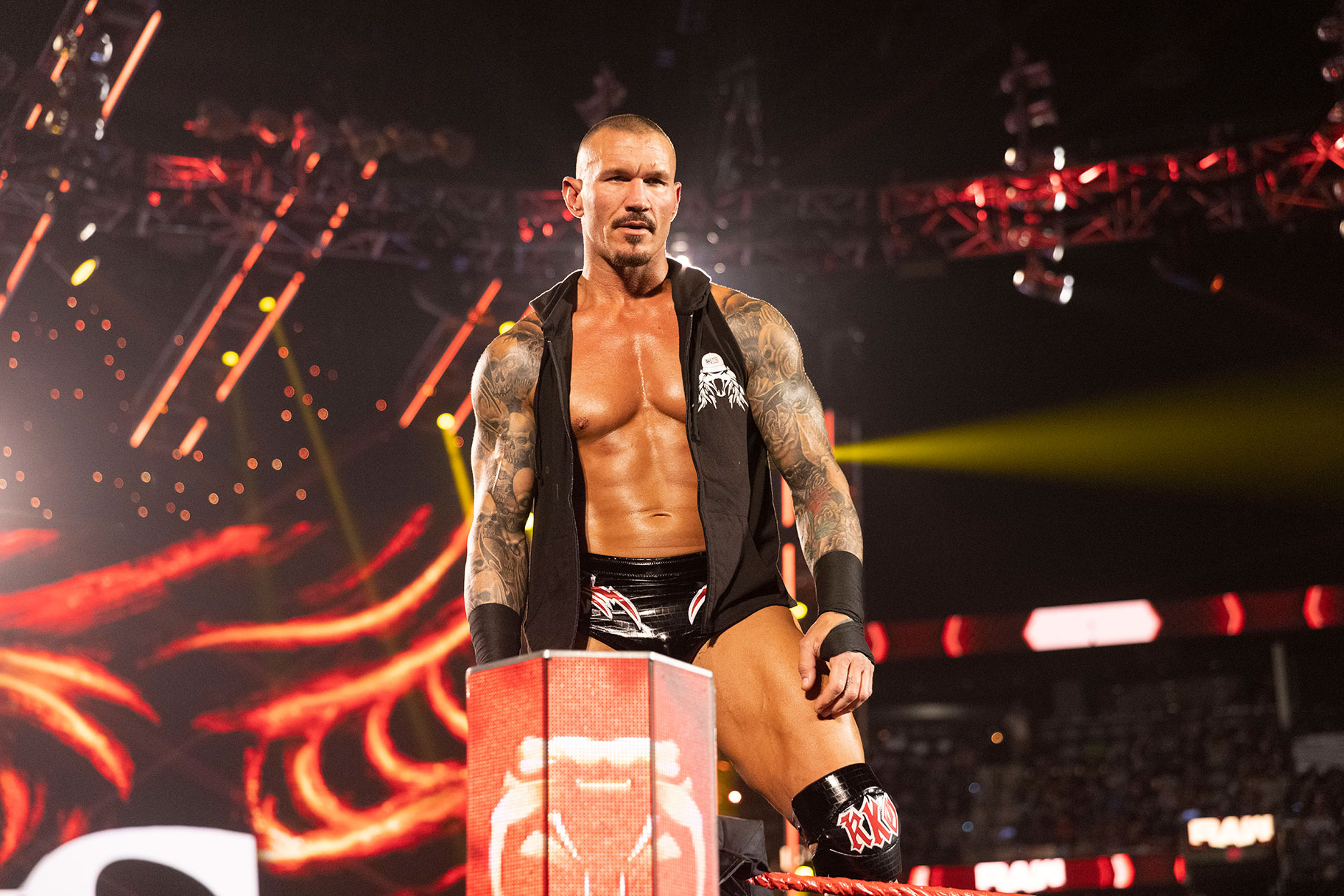
When professional wrestler Randy Orton walks down the arena ramp, the opening lines of his entrance theme immediately signal a shift in the mood. The phrase "I hear voices in my head" has transcended World Wrestling Entertainment to become a persistent internet joke, merging sports entertainment culture with absurd digital humor. Long before short-form video platforms popularized sudden jump scares, the psychological framing of Orton's character provided fertile ground for online creativity.
Understanding why this specific piece of wrestling media evolved into a widespread cultural artifact requires looking at how a rock song, a notoriously intense character, and online video editing culture intersected. The transformation from a standard entrance track into a meme reflects broader shifts in how digital communities consume and repurpose television broadcasts.
The Musical Foundation of the Meme
In May 2008, WWE introduced a new entrance track for Orton titled "Voices," performed by the rock band Rev Theory and produced alongside long-time audio director Jim Johnston. The lyrics explicitly address internal division, paranoia, and external judgment. Lines about rules designed to keep people safe and voices serving as saviors matched Orton's on-screen persona as an unpredictable, dangerous heel who frequently attacked colleagues without warning.
Unlike orchestral or instrumental entrance themes common in professional wrestling, "Voices" relied heavily on spoken-word style delivery and a moody hard-rock build-up. That distinct opening phrase created an audio cue that viewers instantly recognized. When internet users began extracting wrestling audio clips for comedic edits, those spoken lines functioned as a perfect punchline or warning signal. For additional background on the matter, comprehensive analysis is available at Vanity Fair.
From Entrance Theme to Internet Joke
Meme culture thrives on repetition, escalation, and unexpected juxtaposition. The "I hear voices" phenomenon grew alongside the rise of video remix culture on platforms like YouTube and later Vine. Creators began pairing the sudden opening chords and lyrics of the song with everyday awkward situations, minor misunderstandings, or bizarre video clips to suggest that the subjects of the videos were experiencing the same psychological instability as Orton's character.
The joke gained traction because Orton's television persona genuinely leaned into erratic behavior. He punted opponents in the head, assaulted authority figures, and displayed cold detachment. Internet users took that exaggerated intensity and applied it to mundane scenarios, creating a comedic contrast between high-stakes professional wrestling and ordinary life.
Key Elements That Sustained the Meme
Several distinct factors allowed this specific piece of wrestling lore to maintain relevance across different eras of internet history:
- Audio Recognition: The stark contrast between the quiet spoken intro and the heavy guitar riff made it an ideal sound bite for video editors looking to build sudden comedic tension.
- Character Consistency: Orton maintained the same theme song for nearly two decades, allowing multiple generations of fans to connect with the exact same audio cue.
- Crossover Appeal: Even casual viewers who stopped watching wrestling years prior remembered the distinct cadence of the song's opening lines.
Cultural Impact on Wrestling Broadcasting
The intersection of professional wrestling and internet memes changed how promotions approach audio and character branding. While companies once guarded their intellectual property strictly, the organic spread of entrance music snippets, catchphrases, and signature moves helped keep veteran performers culturally relevant between television appearances.
For further context on how sports entertainment properties interact with digital media, you can explore updates via WWE. The longevity of the track also proved beneficial for Rev Theory, turning a standard promotional song into a enduring rock staple associated with mainstream sports culture.
Frequently Asked Questions
Who performs Randy Orton's theme song?
The track is performed by the American rock band Rev Theory, with production support from longtime WWE composer Jim Johnston.
When did the song debut on television?
The track made its television debut on the May 12, 2008, episode of Monday Night Raw, replacing Orton's previous theme, "Burn in My Light."
Why did the theme become a meme?
The dramatic, spoken-word opening lines provided an instantly recognizable audio hook that video editors could easily pair with humorous or chaotic real-life footage.
Does Randy Orton still use the song?
Yes, the wrestler continues to use "Voices" as his primary entrance music during matches and television appearances.


