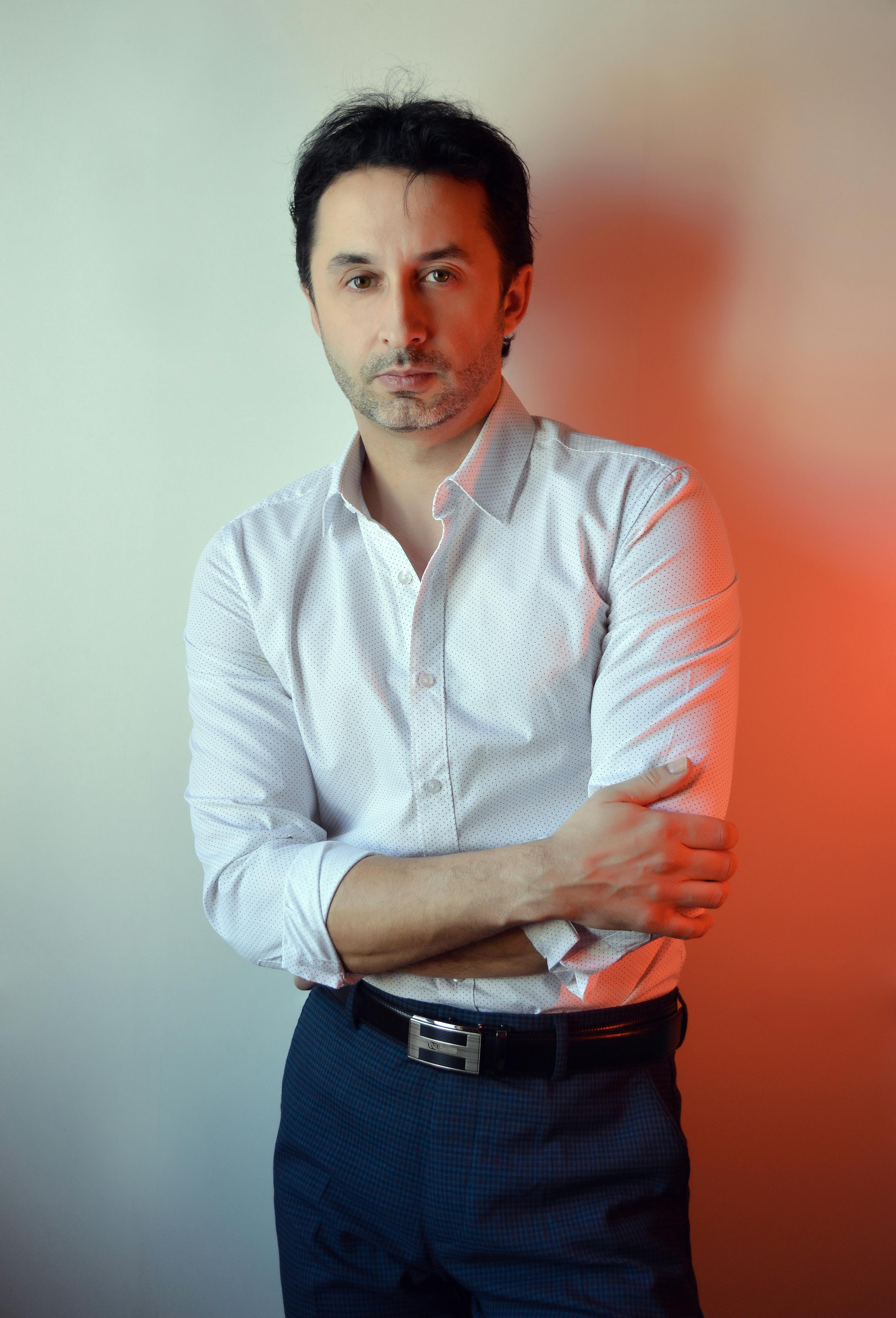
Rande Gerber built a massive business empire by turning personal lifestyle choices into globally recognized brands. While many recognize him as an entertainment entrepreneur and husband to supermodel Cindy Crawford, his commercial footprint spans decades of nightlife innovation, high-end spirits, and strategic venture investments. Rather than relying on traditional marketing playbooks, Gerber built his career on a simple premise: creating venues and products that he and his friends actually wanted to use.
This strategy yielded major results, most notably through the creation and billion-dollar exit of Casamigos Tequila. Yet his portfolio extends far beyond a single spirits brand, encompassing pioneering hotel bars, premium rum, fashion partnerships, and early-stage health-tech investments. Examining his trajectory reveals how design-driven execution and tight-knit partnerships can scale niche ideas into powerhouse enterprises.
Pionesring the Modern Hotel Bar with Gerber Group
Long before launching global beverage companies, Gerber made his mark in hospitality. In 1991, he opened his first venue, The Whiskey, on Ocean Drive in Miami's South Beach, followed shortly by locations in New York City. At the time, hotel bars were often quiet, underutilized spaces meant for waiting guests. Gerber completely flipped that dynamic by turning hotel lounges into high-energy social destinations.
He formalized this approach by founding the Gerber Group, which partnered with major hospitality entities like Starwood Hotels & Resorts to launch venues inside W Hotels and other luxury properties. Concepts like Whiskey Blue, Whiskey Park, and Stone Rose established the "hotel bar" blueprint. These spaces focused on moody lighting, minimalist interior design, and an exclusive atmosphere that attracted celebrities and locals alike. By treating nightlife venues as lifestyle brands, Gerber proved that hospitality could drive significant hotel occupancy and ancillary revenue. Additional analysis by The Motley Fool highlights comparable views on the subject.
The Accidental Empire: Casamigos Tequila
The defining milestone of Gerber's business career began as a casual private project. In 2013, Gerber teamed up with longtime friend George Clooney and property developer Mike Meldman to launch Casamigos Tequila. The trio originally spent two years developing a smooth, additive-free reposado tequila intended solely for personal consumption at their neighboring homes in Mexico.
They only decided to commercialize the brand after a local distillery informed them they had ordered over 1,000 bottles in a single year, triggering regulatory requirements to secure a liquor license. Each founder reportedly invested around $600,000 to get the enterprise off the ground.
The brand scaled rapidly due to organic word-of-mouth marketing and authentic positioning. In 2017, global beverage giant Diageo acquired Casamigos for $1 billion upfront, with an additional $100 million tied to performance milestones. Even after the acquisition, Gerber maintained an active leadership role, proving that founder-led authenticity can command massive valuations from institutional buyers.
Diversification: Spirits, Fashion, and Venture Capital
Following the success of Casamigos, Gerber expanded his operational focus across multiple consumer sectors. Each new venture reflected his personal design interests and business network:
- Caliche Rum: Launched in 2012 in partnership with Roberto Serrallés of Destilería Serrallés, this super-premium white rum gave Gerber hands-on experience in the complex logistics and supply chains of the global liquor industry.
- Design Collaborations: Gerber designed the physical bottles for Casamigos and later lent his aesthetic vision to limited-edition products, such as the Seamaster Planet Ocean Deep Black Casamigos watch with Omega and casual apparel lines with brands like Bleusalt.
- Venture Investments: As an angel investor, Gerber has backed consumer health and wellness companies including Therabody and Prenuvo, focusing on founders who need strategic creative guidance alongside capital.
Common Pitfalls in Celebrity Brand Building
Many public figures attempt to replicate Gerber's success in the beverage and lifestyle sectors, but most ventures fail. Analyzing why highlights what made Gerber's approach different:
- Treating a Brand Solely as an Endorsement: Many celebrities simply license their name to products they don't use or understand. Gerber was intimately involved in product formulation, bottle design, and day-to-day positioning from day one.
- Chasing Short-Term Hype: Casamigos spent years perfecting its liquid profile before selling a single bottle. Rushing production to capitalize on a fleeting trend typically results in poor consumer retention.
- Ignoring Operational Friction: Building a spirits brand requires navigating complex state distribution laws, supply chain logistics, and tier-three alcohol regulations. Gerber partnered with established industry families (like the Serrallés family) and global giants (like Diageo) rather than trying to manage every logistical hurdle alone.
Frequently Asked Questions
What was Rande Gerber's first major business?
Gerber's first major commercial venture was opening The Whiskey in Miami in 1991, which paved the way for his hospitality management company, the Gerber Group.
How much did Casamigos sell for?
Diageo acquired Casamigos in 2017 for $1 billion in cash, plus an additional $100 million contingent on performance milestones over the following decade.
What companies has Rande Gerber invested in?
Beyond his own hospitality and spirits brands, Gerber has invested in growth-stage health and wellness companies such as Prenuvo and Therabody.
Is Rande Gerber still involved with Casamigos?
Yes. Gerber, alongside his co-founders, retained active advisory and promotional roles with Casamigos following the Diageo acquisition to preserve the brand's authentic voice.


