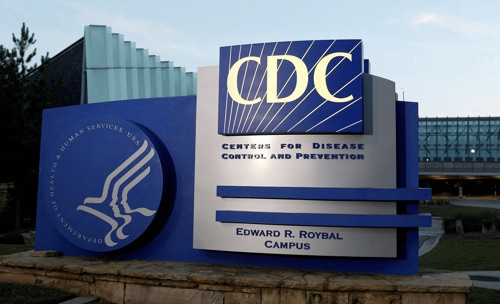
Rumors spreading across social media platforms often claim that major health agencies have issued urgent warnings about instant noodle products. If you saw a post stating that the Centers for Disease Control and Prevention (CDC) warned consumers to throw away their pantry stocks due to hidden health hazards, you aren't alone. However, official tracking shows that major viral alerts regarding widespread ramen recalls are entirely false. Real food safety oversight relies on verified data from public health agencies rather than viral clips.
Understanding how food recalls actually work helps separate viral panic from verified consumer protection. While federal agencies like the U.S. Food and Drug Administration (FDA) and the U.S. Department of Agriculture's Food Safety and Inspection Service (FSIS) issue targeted recalls for specific batches when contamination occurs, broad warnings claiming entire product categories are deadly bacteria carriers are baseless. Let's break down what official alerts exist, why viral rumors circulate, and how to verify real product safety notices.
Evaluating the Viral Rumors Versus Official Data
Social media algorithms frequently amplify dramatic headlines about everyday foods to capture user attention. Viral videos often misrepresent isolated international incidents or completely fabricate health warnings to gain views.
- The Bacterial Claims: Viral posts often claim that millions of packages of instant noodles are contaminated with dangerous bacteria or toxins. Independent fact-checkers and public health tracking confirm the CDC has issued no such warning.
- Misattributed Incidents: Rumors frequently twist older overseas events—such as tragic child mortality cases in South Africa or Pakistan—and falsely tie them to standard commercial instant ramen sold in North American supermarkets. Investigations into those foreign cases pointed toward localized factors or agricultural chemicals rather than mainstream commercial bacterial outbreaks.
- The Real Regulatory Status: Neither the FDA nor the CDC maintains an active investigation or warning regarding a nationwide bacterial threat tied to dry instant ramen blocks.
Actual Noodle Recalls: What Happened and Why
While widespread panic over universal ramen bans is unfounded, real recalls do happen in the food industry. These actions are usually narrow, voluntary, and driven by specific manufacturing oversights rather than hidden public health epidemics.
Undeclared Allergens
The most common reason noodle products face a recall is undeclared allergens. Food manufacturing plants handle multiple products on shared lines. If a label fails to list common allergens like eggs, peanuts, or sesame, federal regulators require a recall to protect allergic consumers. For instance, specialized brands like Fly By Jing previously issued voluntary notices for sesame noodle items due to potential cross-contact with peanuts, and companies like Sun Noodle have managed minor alerts over undeclared egg powders.
Foreign Matter Contamination
Occasionally, processed frozen or packaged meals face recalls due to physical contaminants. For example, federal agencies monitor commercial facilities like Ajinomoto Foods North America when routine quality checks identify potential foreign matter in specific batches of frozen fried rice or noodle meals. These recalls specify exact lot numbers and UPC codes, allowing consumers to check their freezers safely without discarding unrelated pantry staples.
Nutritional Realities of Instant Ramen
Even though viral warnings about sudden bacterial death are false, nutritionists point out real health considerations tied to regular instant noodle consumption. These concerns relate to dietary composition rather than sudden foodborne illness.
- Sodium Content: A single packet of instant ramen frequently contains over half of the recommended daily sodium intake. High sodium intake over many years contributes to hypertension and cardiovascular strain.
- Processed Carbohydrates: Most standard commercial noodles are flash-fried during manufacturing to dry them out quickly. This process increases saturated fat content while offering minimal fiber or essential micronutrients.
- Additives and Preservatives: Flavor packets rely heavily on MSG, artificial flavorings, and preservatives to achieve a long shelf life.
How to Verify Food Recalls Safely
When a sensationalized headline pops up on your feed, don't panic or throw away your groceries immediately. Cross-reference the claim using primary government resources designed for consumer protection.
- Check the FSIS Recalls Page: If the product contains meat, poultry, or egg products, visit the USDA FSIS Recalls portal to search active enforcement reports.
- Search the FDA Database: For dry goods, packaged foods, and snacks, check the FDA Recalls, Market Withdrawals, & Safety Alerts database.
- Inspect Product Codes: Real recalls always list specific production codes, best-by dates, and store distribution lists. If your package doesn't match the exact identifiers published by regulators, the item is safe.
Frequently Asked Questions
Did the CDC ever issue a warning about instant ramen?
No. The CDC has never issued a warning advising consumers to avoid instant ramen noodles due to bacterial contamination. Viral claims suggesting otherwise stem from misinformation campaigns on platforms like TikTok and Instagram.
Are instant ramen noodles safe to eat?
Yes. Commercially packaged ramen noodles sold in major grocery stores are safe to consume, provided they haven't been subject to a specific, official government recall.
What should I do if I suspect a food product is recalled?
Check the UPC barcode and lot number on your packaging against official notices on the FDA or USDA websites. If your product matches an active recall, return it to the place of purchase or throw it away.
Why do fake food safety rumors spread online?
Accounts often generate sensationalized health scares using artificial intelligence or exaggerated headlines to drive engagement, clicks, and ad revenue on social media networks.



