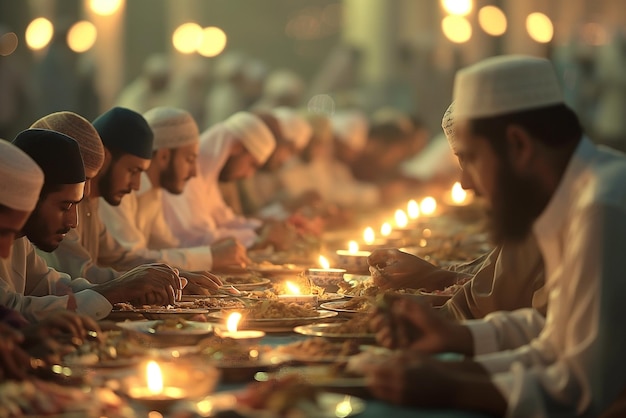
Ramadan tests physical endurance and sharpens spiritual focus for nearly two billion people worldwide. During this sacred ninth month of the Islamic lunar calendar, adult Muslims abstain from food, drink, smoking, and marital relations from dawn until sunset. This annual practice isn't just about going hungry until evening; it's a structured exercise in self-restraint, empathy for the hungry, and intensive community bonding.
Fasting during daylight hours forms one of the Five Pillars of Islam. According to historical tradition, the first verses of the Quran were revealed to Prophet Muhammad during this month in 610 CE, transforming ordinary time into a period of heightened spiritual awareness. Today, the observance shifts roughly eleven days earlier each Gregorian year because it follows the lunar cycle, eventually rotating through every season and varying significantly in length depending on geographic latitude.
The Daily Rhythm: From Suhoor to Iftar
A typical day during Ramadan operates on an entirely different schedule than the rest of the year. The morning begins well before dawn with suhoor, a nutrient-dense pre-dawn meal meant to sustain the body through the upcoming hours of fasting. Eating this meal provides vital hydration and slow-release energy before the first morning prayer, known as Fajr.
As daylight breaks, daily life continues with a distinct atmosphere of mindfulness. Offices, schools, and businesses often adjust operating hours to accommodate lower morning energy levels and evening celebrations. Workers maintain their normal duties while navigating abstention from water and food, requiring careful time management and patience.
When the sun dips below the horizon, the daily fast concludes with iftar, traditionally opened by eating dates and drinking water—mirroring the practice of Prophet Muhammad. Families and communities gather rapidly for this meal, which often transforms into a festive communal feast shared with neighbors, friends, and those in need. Shortly after iftar, Muslims head to mosques for Tarawih, long nightly congregational prayers where large portions of the Quran are recited over the course of the month.
Spiritual Discipline and Internal Reflection
The physical deprivation of food and water serves a deeper purpose: inner purification. Fasting forces individuals to confront their habits, temper anger, and practice patience under discomfort. When hunger pangs strike, they act as a physical reminder of human vulnerability and dependence on divine sustenance.
Self-discipline during this month extends far beyond the kitchen table. Observers strive to eliminate gossip, dishonesty, and negative behavior, treating the fast as a holistic tune-up for character. Charitable giving, known as sadaqah, spikes dramatically during this period. Communities organize food drives, soup kitchens, and fundraisers to ensure that low-income families can celebrate the month with dignity and abundance.
The spiritual climax arrives during the final ten days of the month, specifically on Laylat al-Qadr (the Night of Power). Believers spend nights awake in intense prayer and supplication, believing that worship during this specific night carries greater reward than a thousand months of ordinary devotion.
Economic and Social Shifts Worldwide
The societal footprint of the month extends deep into local and global economies. Food consumption patterns change drastically. Markets experience surges in demand for specific staples like dates, grains, and traditional pastries, while restaurants and catering businesses adapt to nighttime rushes.
Governments in Muslim-majority countries often shorten official working hours to support fasting citizens. In Western nations and non-Muslim contexts, corporate awareness has grown steadily. Many multinational companies now offer flexible working arrangements, quiet spaces for prayer, and educational resources for non-Muslim team members to foster a supportive environment.
Charitable obligations culminate in Zakat al-Fitr, a mandatory financial donation given to the poor before the final holiday prayers. This mechanism redistributes wealth within the community, ensuring that economic hardship doesn't prevent anyone from participating in the upcoming celebrations.
The Culmination: Eid al-Fitr
The final sighting of the new moon signals the end of fasting and the arrival of Eid al-Fitr, the Festival of Breaking the Fast. This multi-day celebration begins with special morning congregational prayers held in large open fields or mosques.
People dress in new or finest clothes, exchange greetings of "Eid Mubarak," and visit relatives. Children receive gifts, money, and sweets, while massive family meals replace the quiet daytime hours of the previous month. The transition back to regular eating schedules requires physical adjustment, but the core psychological benefits—empathy, patience, and community connection—tend to persist long after the decorations come down.
Frequently Asked Questions
Are exemptions granted for fasting during Ramadan?
Yes. Islam exempts individuals whose health would be compromised by fasting, including pregnant or nursing women, the elderly, the chronically ill, travelers, and menstruating women. Those with temporary conditions make up missed fasts later, while those with permanent conditions often feed a needy person as compensation.
Does accidental eating or drinking break the fast?
Accidental eating or drinking out of forgetfulness does not invalidate the fast. Traditional guidance dictates that once a person remembers they are fasting, they must stop immediately and resume the fast, treating the moment as a provision from higher guidance.
How do Muslims handle fasting in polar regions with extreme daylight hours?
In extreme northern latitudes where summer days involve continuous daylight or very short nights, communities generally follow the timetable of the nearest Muslim-majority country or use the schedule of Mecca, ensuring physical safety while maintaining the religious obligation.
What role does technology play in modern observance?
Smartphones and applications have transformed how believers track prayer times, locate local mosques, organize virtual iftars across time zones, and distribute digital charitable donations directly to international relief organizations.



