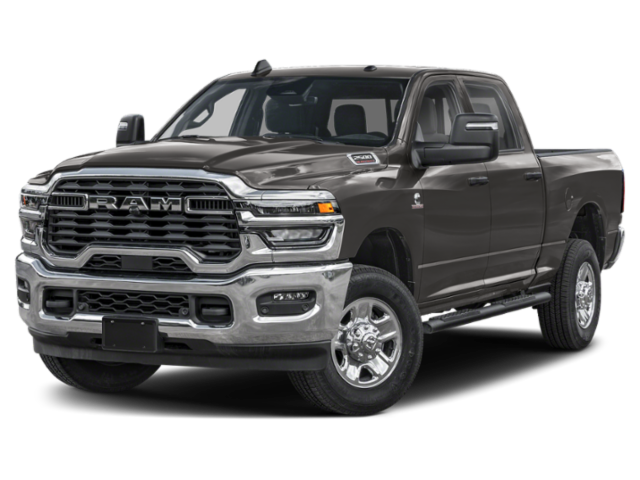
When Dodge engineers shoved an 8.3-liter V10 engine from a sports car into a full-size pickup truck, they stopped caring about sensible utility. The result was the Ram SRT-10, a machine that traded sensible towing metrics for outright straight-line violence. Built by Chrysler's Performance Vehicle Operations (PVO) team, this truck didn't just bend the rules of segment classification—it broke them completely.
Street truck culture existed before 2004, but nothing had ever approached this level of factory-backed absurdity. By dropping 500 horsepower and 525 lb-ft of torque into a pickup chassis, Dodge created an instant icon. It remains a high-water mark for unfiltered American muscle, standing as a rare moment when corporate risk-taking yielded pure automotive theater.
The Heart of the Beast: The Viper V10 Swap
The defining element of the Ram SRT-10 lived right under its bulging hood scoop. Dodge didn't build a new truck engine for the project; they lifted the aluminum-block V10 straight out of the third-generation Dodge Viper.
This displacement monster breathed through a custom exhaust system and benefited from heavy modifications to the Ram's hydroformed frame. To handle the massive output, engineers paired the regular cab version with a Hurst-shifted Tremec T-56 six-speed manual transmission. Slamming gears in a five-ton pickup using a sports car shifter felt completely unhinged, which was precisely the point.
Key mechanical attributes of the powertrain included:
- Displacement: 8.3 liters (505 cubic inches) of naturally aspirated pushrod power.
- Output: 500 horsepower at 5,600 rpm and 525 lb-ft of torque at 4,200 rpm.
- Axle Setup: A heavy-duty Dana 60 rear axle equipped with a specialized fifth shock absorber designed specifically to eliminate axle hop during hard launches.
Engineering the Chassis for Straight-Line Speed
Putting a supercar engine into a pickup required significant structural adaptation. A standard Ram utility chassis would have twisted under hard acceleration or wallowed dangerously in corners. PVO tackled this by lowering the ride height by an inch up front and 2.5 inches in the rear, utilizing stiffer Bilstein shocks and custom-tuned performance springs.
Stopping power matched the acceleration capability. Dodge fitted massive disc brakes at all four corners, hidden behind gargantuan 22-inch polished wheels wrapped in sticky 305/40R22 Pirelli performance rubber.
Aerodynamics also played a quiet role in keeping the truck stable at high velocity. The exterior featured a subtle front splitter, a unique hood with functional cooling vents, and a rear aerodynamic spoiler mounted on a hard tonneau cover. This combination helped push the regular cab variant to an authenticated top speed of 153 mph, earning it a brief stint in the Guinness Book of World Records as the world's fastest production pickup truck.
Regular Cab Versus Quad Cab: Choosing Your Poison
Dodge expanded the lineup for the 2005 and 2006 model years by introducing the Quad Cab variant. While the initial 2004 production run was strictly a two-door regular cab with a manual gearbox, the four-door model brought family seating to the party—along with some heavy compromises.
The Quad Cab swapped the manual transmission for a modified 48RE four-speed automatic sourced from heavy-duty Cummins diesel trucks. It weighed nearly 500 pounds more than its regular cab sibling, blunting its 0-60 mph time from 4.9 seconds to 5.6 seconds. However, the automatic version brought a higher towing rating, making it slightly more versatile for owners who actually wanted to hook up a trailer to their V10 muscle machine.
Living With a Legend: Common Ownership Realities
Operating an SRT-10 today involves embracing vintage quirks and heavy fuel consumption. It's an analog driving experience devoid of modern electronic nannies, meaning driver input dictates everything.
Common challenges faced by owners include:
- Fuel Economy: Single-digit fuel mileage is standard. Expect roughly 9 mpg in city driving and around 14 mpg on the highway for light trucks, dropping further if you explore the upper half of the tachometer.
- Tire Wear: The combination of a heavy front bias, wide performance tires, and a live rear axle means rear tires wear down quickly under enthusiastic driving.
- Interior Materials: The cabin relies heavily on early-2000s Dodge plastics. While it features leather and suede bucket seats alongside an Infinity audio system, the interior feels utilitarian rather than luxury-grade.
For comprehensive context on how Dodge engineered this era of high-output vehicles, you can review details on Wikipedia's Dodge Ram SRT-10 overview.
Frequently Asked Questions
How many Ram SRT-10s were built?
Total production reached roughly 10,046 units across its production run from 2004 to 2006. Regular cab models generally command higher interest among collectors due to the manual transmission setup.
Can you still use a Ram SRT-10 for towing?
Yes, but within strict limits. The regular cab is rated for minimal towing, while the later Quad Cab model can haul up to 7,500 pounds thanks to its heavier-duty automatic transmission and stiffer suspension tuning.
What makes the SRT-10 engine different from a standard truck engine?
The engine is a true pushrod V10 shared with the Dodge Viper, featuring a cast-aluminum block, cross-bolted main caps, and high-flow cylinder heads engineered for sports car performance rather than low-end agricultural work.
Why did Dodge stop making performance trucks like this?
Shifting market demands, tighter fuel economy regulations, and the economic fallout of the 2008 financial crisis made high-displacement, low-efficiency niche vehicles difficult to justify for major manufacturers.



