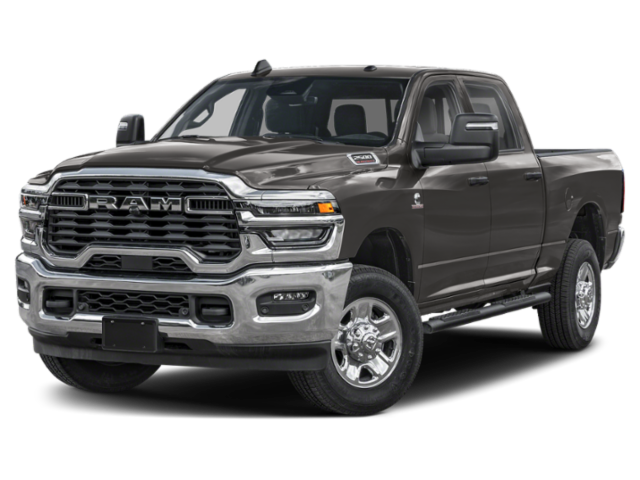
When you look at the heavy-duty truck segment, most vehicles are built strictly for the job site, prioritizing towing numbers and payload ratings over trail performance. The Ram 2500 disrupts that conventional formula. By offering dedicated off-road trims like the Power Wagon and the Rebel, Ram bridges the gap between massive hauling capability and genuine four-wheel-drive capability. If you want a truck that pulls heavy loads during the week and handles rough terrain on the weekend without needing aftermarket modifications, understanding how these specific packages alter the platform is essential.
Beneath the rugged image, the Ram 2500 relies on a unique coil-rear suspension architecture that separates it from competitors using traditional leaf springs. This design choice dramatically improves ride quality on pavement while providing the foundation for extreme articulation off-road. Whether you're evaluating engine choices like the 6.4L HEMI V8 or the high-output Cummins diesel, or trying to understand how electronic locking differentials change trail dynamics, knowing the mechanical differences helps you choose the right configuration.
Factory Off-Road Trims: Power Wagon vs. Rebel
Choosing a Ram 2500 for rough terrain usually comes down to two distinct factory builds: the Power Wagon and the Rebel. While both share the heavy-duty foundation, their mechanical priorities differ significantly.
The Power Wagon focuses entirely on technical rock crawling and low-speed trail obstacles. It features a unique suspension setup with soft coil springs designed for maximum axle articulation. It also includes a class-exclusive electronic disconnecting front sway bar that lets the front wheels drop further into dips and climb over large rocks. Front and rear electronic locking differentials come standard, ensuring that power reaches every wheel with traction even when one or more are suspended in the air.
The Rebel, by contrast, bridges heavy-duty utility with a more conventional off-road stance. Unlike the Power Wagon, the Rebel can be paired with the Cummins turbo-diesel engine, making it a viable option for heavy towing while still offering skid plates, all-terrain tires, and a tighter suspension tune.
- Power Wagon: Prioritizes extreme articulation, electronic locking front/rear differentials, and a factory-integrated Warn winch.
- Rebel: Focuses on a balanced mix of towing capacity and off-road grit, compatible with both gas and diesel powertrains.
- Standard 4x4 Trims: Can be upgraded with off-road packages that add Bilstein shocks and transfer case skid plates, though they lack the specialized axle configurations of the Power Wagon.
Powertrain Options and Trail Dynamics
Engine selection dictates not only how much weight you can pull, but how the truck behaves when the pavement ends. Ram offers two primary engine choices for the 2500 lineup, each bringing distinct weight and power distribution characteristics to the front axle.
The standard 6.4-liter HEMI V8 pushes out 410 horsepower and 429 lb-ft of torque. Because it is significantly lighter than the diesel block, the front end of a gas-powered Ram 2500 sits lighter on its tires. This reduced front-axle weight prevents the truck from sinking as easily in soft mud or sand, making gas configurations popular for specific styles of loose-surface driving.
The available 6.7-liter Cummins turbo-diesel inline-six trades some front-end lightness for monumental torque—delivering up to 1,075 lb-ft in high-output form. While the heavy iron block adds weight over the front wheels, the low-end torque delivery is unmatched for crawling over obstacles at idle speeds or dragging heavy expedition trailers through backcountry grades.
Suspension Engineering: Why Articulation Matters
Heavy-duty trucks traditionally use stiff leaf springs in the rear to support massive payload weights. Ram utilizes a five-link coil rear suspension on all 2500 models, which fundamentally changes how the chassis reacts to uneven ground.
On the Power Wagon, this coil setup is paired with Articulink front control arms that allow the axle to twist cleanly without binding. When you hit a rocky trail with the sway bar disconnected, the suspension absorbs undulations independently, keeping the cab remarkably level.
However, this design introduces a trade-off. The softer springs that enable high articulation also reduce maximum payload capacity compared to standard heavy-duty trucks. If you plan to load the bed with a heavy slide-in camper, a standard Ram 2500 or a Rebel with stiffer rear springs is a safer mechanical choice than a Power Wagon.
Common Mistakes When Building a Heavy-Duty Off-Road Rig
Many owners take a standard heavy-duty truck and apply aftermarket modifications without considering the factory engineering limits, leading to poor handling or mechanical failure.
- Ignoring weight penalties: Heavy-duty steel bumpers, winches, and auxiliary gear add hundreds of pounds to the front end, wearing out factory steering components prematurely.
- Incorrect tire pressure for trail use: Running highway-spec air pressure (often 60+ psi) off-road ruins ride quality and reduces the tire contact patch. Airring down appropriately for terrain prevents punctures and harsh impacts.
- Overlooking payload limits on specialized trims: Buying a dedicated trail trim like the Power Wagon and expecting it to haul heavy construction payloads will exceed its lower GVWR limits.
- Neglecting steering geometry correction: Lifting a heavy-duty truck without upgrading track bars and control arms introduces "death wobble" risks and sloppy highway handling.
Frequently Asked Questions
Can the Ram 2500 Power Wagon tow as much as a standard Ram 2500?
No. Because the Power Wagon prioritizes soft, flexible suspension for off-road articulation, its maximum towing and payload capacities are lower than similarly equipped standard 2500 models with stiffer springs.
Does the diesel engine come on the Power Wagon?
Factory specifications typically restrict the Power Wagon to the 6.4L HEMI V8 engine. Buyers wanting a diesel engine with off-road styling and capability usually select the Ram 2500 Rebel or a standard 4x4 with an off-road package.
What is the advantage of the electronic disconnecting sway bar?
It allows the front suspension to maximize wheel travel by letting the left and right wheels move independently of each other over uneven terrain, improving traction and stability on rocky trails.
How does the coil rear suspension compare to leaf springs off-road?
Coil springs provide superior axle articulation and a smoother ride over washboard surfaces and low-speed bumps, whereas traditional leaf springs handle heavy vertical weight loads with less rear-end squat.



