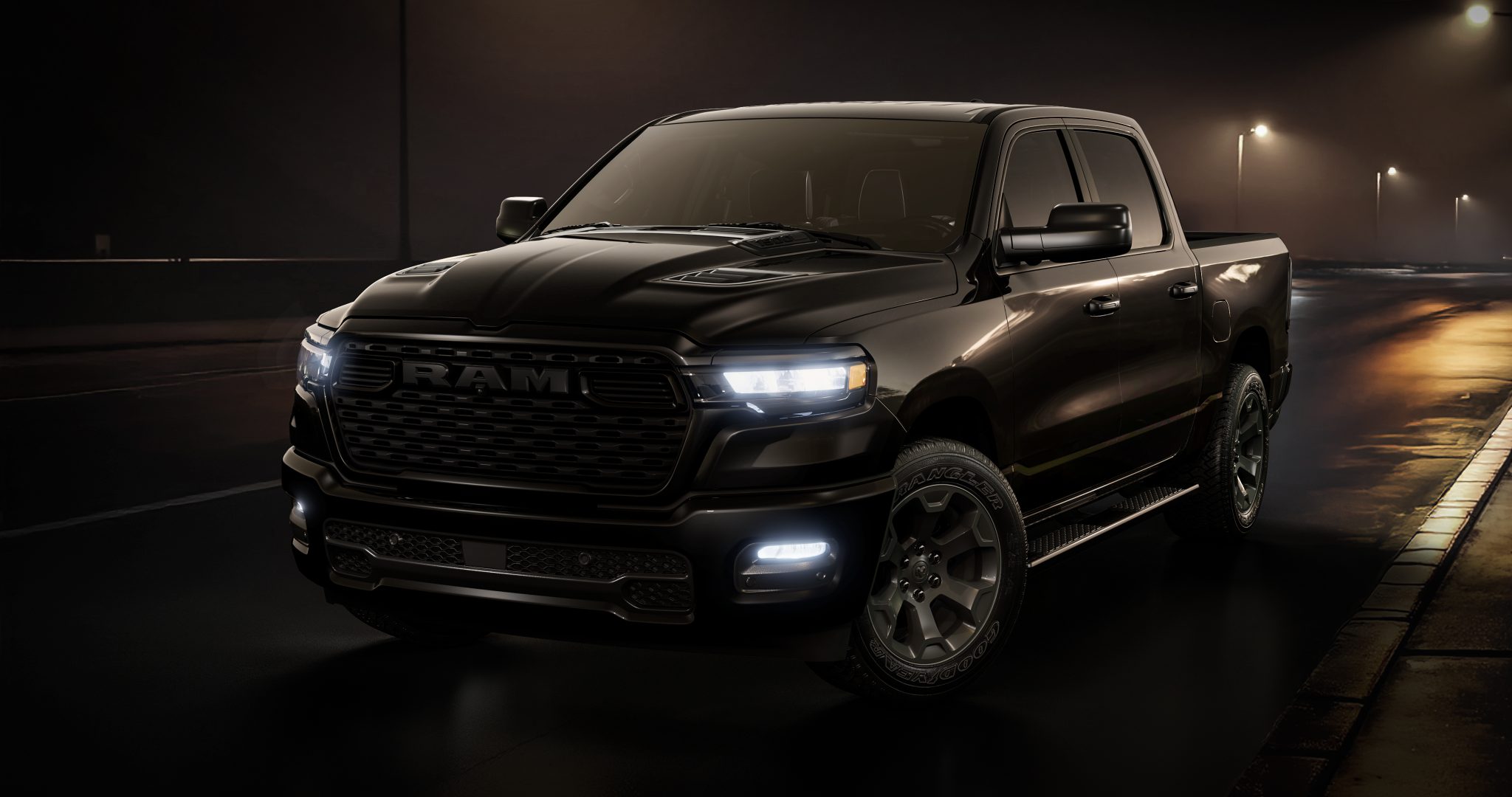
The Ram 2500 4th Gen (spanning model years 2010 through 2018 for heavy-duty variants) changed the heavy-duty truck market by blending commercial-grade capability with a remarkably comfortable cabin. While newer generations have introduced heavier digital integration, the fourth-generation platform remains a favorite for buyers who want mechanical reliability, a solid front axle, and an iconic engine lineup without paying six figures for a brand-new rig.
If you're hunting for a used heavy-duty workhorse or evaluating how this platform handles modern towing demands, understanding the subtle shifts across its production run matters. This era introduced major suspension changes, heavy frame updates, and the transition of the Cummins diesel into a true torque monster.
Powertrain Lineup and Performance
The fourth-generation Ram 2500 relied on two primary powerplants during its run: the legendary 6.7-liter Cummins inline-six turbo diesel and the gasoline-powered HEMI V8.
The 6.7-liter Cummins diesel is the heart of most heavy-duty builds from this era. Paired with either the G56 six-speed manual transmission or the 68RFE automatic (and later the heavy-duty Aisin transmission in select high-output configurations), it delivered massive low-end torque. Early fourth-gen Cummins models produced around 350 horsepower and 650 to 800 lb-ft of torque depending on the transmission. By 2018, high-output variants pushed torque figures past 900 lb-ft.
On the gasoline side, the 5.7-liter HEMI served early models before Chrysler introduced the 6.4-liter HEMI V8. The 6.4-liter engine offered a substantial upgrade for payload and lighter towing tasks, putting out 410 horsepower and 429 lb-ft of torque. It features cylinder deactivation to save fuel on the highway, though most buyers tracking heavy loads lean toward the low-end pulling power of the diesel.
Suspension and Ride Quality
Before 2014, heavy-duty trucks rode like traditional utility vehicles—stiff, bouncy, and punishing over rough job sites. Ram altered this standard by introducing a unique five-link coil-rear suspension for the 2500 starting in the 2014 model year.
Instead of traditional leaf springs, the coil setup significantly reduced rear-end hop when traveling unloaded. It improved lateral stability and cornering grip without sacrificing payload limits. For buyers hauling heavy gooseneck or fifth-wheel trailers, Ram also offered an optional Auto-Level rear air suspension, which automatically adjusts to shifting trailer tongue weights to keep the truck level at highway speeds.
Towing Capacities and Real-World Limits
When properly equipped, fourth-generation Ram 2500 models offer conventional towing capacities ranging from roughly 13,000 to over 17,000 pounds, while gooseneck configurations push higher. However, looking strictly at maximum brochure numbers can be misleading.
The real limiting factor for a 2500 is often payload capacity, not raw towing power. Because diesel engines add significant weight over the front axle, a heavily optioned Crew Cab Cummins 4x4 eats into available payload. Tongue weight from a heavy travel trailer or fifth-wheel pin weight frequently consumes remaining payload capacity before you hit the maximum trailer weight rating. Check the specific door jamb sticker on any used truck you evaluate to find its exact Gross Vehicle Weight Rating (GVWR).
Evolution and Key Year-Model Changes
The 2010–2018 production run saw several rolling updates that shape which model year you should target:
- 2010–2012: The initial heavy-duty rollout retained the heavy-duty frame and styling of the period but relied on older interior layouts and emission setups, including early iterations of Diesel Particulate Filters (DPF).
- 2013: A massive turning point. Ram introduced a fully boxed high-strength steel frame, an updated interior with available multi-media touchscreens, factory-integrated exhaust braking, and DEF (Diesel Exhaust Fluid) integration for cleaner emissions.
- 2014: The arrival of the multi-link rear coil suspension and the introduction of the 6.4L HEMI engine. Ride quality improved dramatically.
- 2015–2018: Incremental electronics upgrades, stronger frame crossmembers, and higher torque outputs for the Cummins diesel, culminating in the final classic heavy-duty configurations before the fifth-generation redesign.
For more official background on heavy-duty truck classifications and towing safety standards, consult the National Highway Traffic Safety Administration.
Common Mechanical Issues to Watch
Every used truck has vulnerabilities. If you're inspecting a fourth-generation Ram 2500, keep these specific mechanical points in mind:
- 68RFE Transmission Vulnerabilities: The stock automatic transmission paired with the Cummins handles factory power fine, but adding aggressive aftermarket tuners quickly causes slippage and failure. Upgraded valve bodies or custom tuning are common preventative steps.
- Grid Heater Bolt Fatigue: On certain Cummins model years, the factory intake grid heater bolt can degrade over time, dropping metal fragments into cylinder number six. Many owners install aftermarket grid heater fixes as inexpensive insurance.
- Front End Wear: Because these trucks carry heavy diesel engines over solid front axles, track bars, ball joints, and steering stabilizers take a beating. Check for loose steering play during a test drive.
Frequently Asked Questions
Is the 6th-speed manual G56 transmission reliable?
Yes, the manual G56 transmission is robust and favored by enthusiasts who prefer shifting themselves. However, its dual-mass flywheel can wear out over time, and it has lower tow ratings compared to the automatic options.
How does the 4th Gen Ram 2500 compare to the 3500?
The primary mechanical difference lies in the rear suspension. The 2500 uses coil springs (or optional air suspension) for a smoother ride, while the 3500 uses traditional leaf springs designed to carry significantly higher payload and towing weights.
Can I tow a heavy fifth-wheel trailer with a Ram 2500?
Yes, provided the total weight stays within the truck's GCWR and payload limits. However, if you regularly pull large fifth-wheels exceeding 15,000 pounds, a 3500 single-rear-wheel or dually model provides safer payload margins.
What fuel economy can I expect from the Cummins diesel?
Depending on axle ratios, tire size, and whether you're towing, unladen highway fuel economy generally sits between 16 and 19 miles per gallon. Heavy towing drops that number down into single digits.



