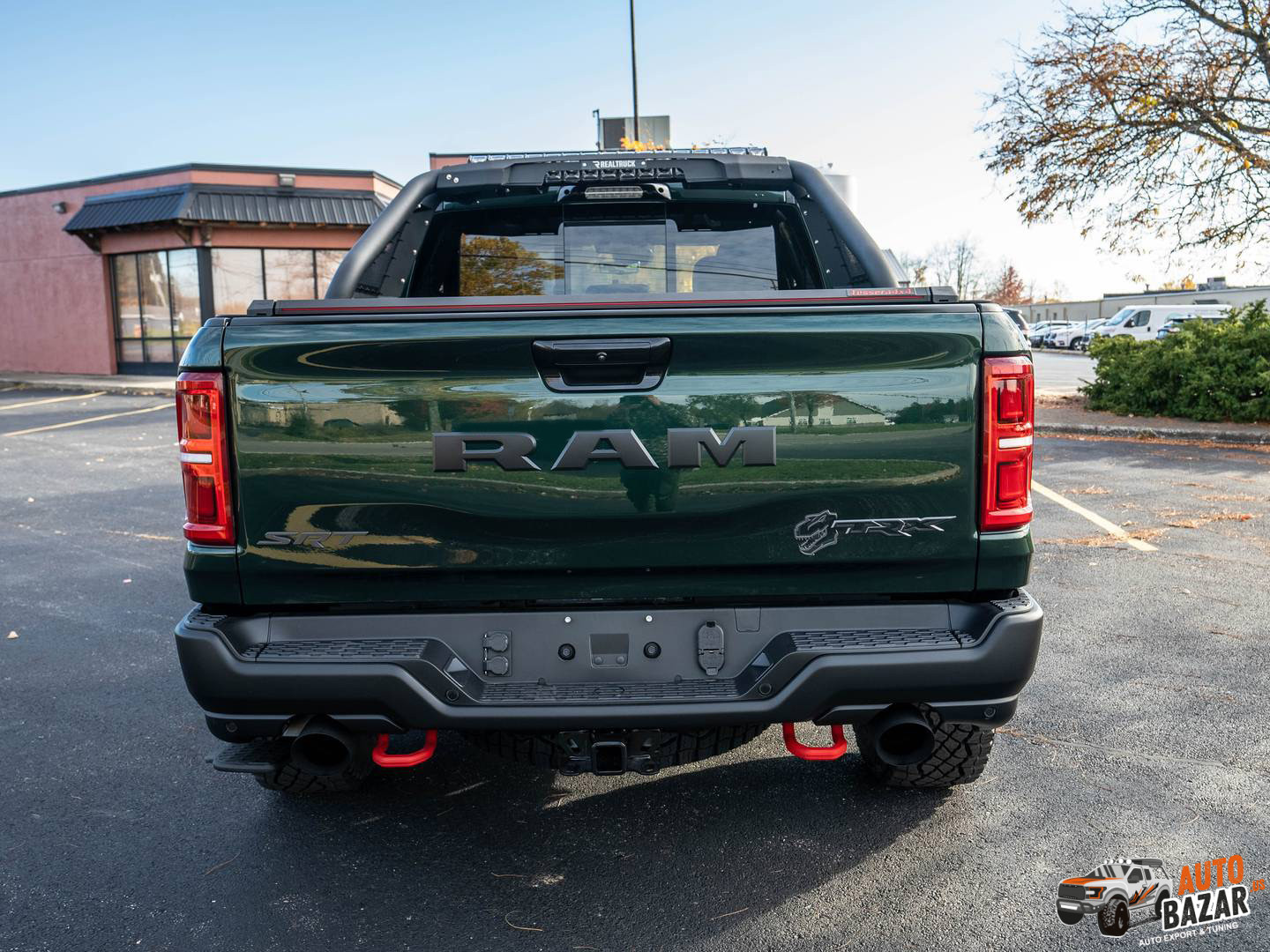
When you look at the Ram 1500 TRX, you see a desert runner built to clear dunes at high speeds rather than a conventional workhorse. Yet, under its vented hood sits a supercharged 6.2-liter HEMI V8 engine pumping out 702 horsepower and 650 lb-ft of torque. That intense output translates to a maximum Ram 1500 TRX towing capacity of 8,100 pounds when properly equipped, alongside a payload limit hovering around 1,310 to 1,360 pounds.
While standard half-ton pickups configured for hauling can pull well past 11,000 pounds, the TRX trades high towing metrics for specialized Bilstein suspension architecture and high-speed off-road durability. If you own or plan to buy this supercharged truck, understanding its structural limits keeps your weekend toys safe and prevents expensive mechanical wear.
Core Performance Numbers and Engine Mechanics
The capability of any truck starts with its powertrain. The supercharged Hellcat-derived engine pairs with a torque-flite eight-speed automatic transmission to channel power to all four wheels.
- Maximum Towing: 8,100 lbs
- Maximum Payload: 1,310 lbs to 1,360 lbs
- Gross Vehicle Weight Rating (GVWR): 7,800 lbs
- Gross Combined Weight Rating (GCWR): 15,160 lbs
That 8,100-pound ceiling puts it slightly ahead of competitors like the Ford F-150 Raptor in raw pulling power, but it remains far lower than a standard Ram 1500 EcoDiesel or HEMI variant equipped with a max-tow package.
Why the Suspension Limits Towing
Many drivers assume that 702 horsepower means a truck can pull anything. However, towing capacity isn't just about engine power; it's about structural stability, cooling, and suspension design.
The TRX features specialized performance suspension with Bilstein Black Hawk e2 adaptive damping systems. This setup uses soft, long-travel coil springs designed to absorb massive impacts during high-speed desert jumps and rough trail driving. Soft rear springs make for a comfortable, compliant ride over bumps, but they squat much easier under heavy tongue weight.
Stiffer leaf springs found on standard utility trucks resist sagging, whereas the TRX coil-spring rear end will compress rapidly if you overload the hitch. Pushing past the 8,100-pound limit compromises steering geometry, reduces front-wheel traction, and overworks the braking system.
What You Can Realistically Tow
An 8,100-pound limit opens up plenty of recreational options, even if heavy construction trailers are off-limits. Here is what you can safely hook up to the back of a TRX:
- Utility and flatbed trailers: Ideal for hauling ATVs, side-by-sides, or dirt bikes.
- Small to mid-size travel trailers: Most single-axle or compact dual-axle camping trailers stay well under 7,000 pounds when loaded.
- Bowriders and fishing boats: Lightweight fiberglass or aluminum watercraft fit comfortably within safe trailering margins.
- Enclosed cargo trailers: Great for moving household items or track day gear, provided you monitor total loaded weight.
Payload vs. Towing: The Hidden Bottleneck
Payload capacity is often the first threshold you will hit. The truck's maximum payload rating sits at roughly 1,310 pounds. Keep in mind that tongue weight counts directly against this payload limit.
If you hook up a heavy trailer with a 700-pound tongue weight, you only have about 600 pounds remaining for passengers, fuel, and gear in the cab and bed. Pack four adults into the crew cab, toss a few heavy coolers in the back, and you might exceed your gross vehicle weight rating before you even shift into drive. Always weigh your loaded truck and trailer setup at a certified scale to stay legal and safe.
Smart Trailering Features
Ram integrated several digital and mechanical aids into the truck to make trailering safer and more manageable.
- Trailer Light Check and Brake Controller: Integrates seamlessly into the dashboard to let you adjust trailer gain and test brake circuits instantly.
- Trailer Tire Pressure Monitoring: Displays individual tire pressures for your trailer directly on the digital instrument cluster.
- Blind Spot Monitoring with Trailer Detection: Scans your blind spots while automatically accounting for the length of the trailer you input into the infotainment system.
- 360-Degree Surround View Camera: Offers clear angles around the bumper and hitch receiver to make solo hookups straightforward.
Common Towing Mistakes to Avoid
Towing with a high-performance supercharged truck requires a shift in habits compared to standard diesel or heavy-duty options.
- Ignoring fuel economy drops: The supercharged V8 already drinks fuel under normal driving conditions. Hooking up a large, wind-resistant trailer will cause fuel economy to plummet into single digits, severely shortening your driving range between fill-ups.
- Failing to distribute weight: Because the rear suspension is tuned for articulation and compliance, use a weight-distribution hitch for heavier loads to keep the front end planted.
- Overlooking cooling intervals: Hauling heavy loads up long, steep inclines places massive thermal stress on the supercharger cooling loop and transmission. Keep an eye on your oil and transmission temperature gauges.
Frequently Asked Questions
Can you install a fifth-wheel hitch on a Ram 1500 TRX?
No. Fifth-wheel and gooseneck hitches require structural frame reinforcements and bed configurations that conflict with the specialized rear suspension geometry and off-road bed structure of the TRX.
Why is the towing capacity lower than a regular Ram 1500?
Standard Ram 1500 models use stiffer suspension setups and configurations engineered specifically for payload and pulling utility. The TRX prioritizes high-speed off-road suspension travel, which requires softer springs that cannot support heavy tongue weights.
Does towing void the warranty on a TRX?
Using your truck to tow within its stated factory limits (up to 8,100 pounds) does not void your factory warranty. However, towing loads that exceed gross combined weight ratings or modifying factory suspension components can lead to denied warranty claims if a failure occurs.
How does towing affect fuel range?
The TRX features a 33-gallon fuel tank, which normally provides a decent cruising distance. When towing a heavy trailer, expect the increased load and boost pressure to drastically reduce your mileage, requiring much more frequent fuel stops.



