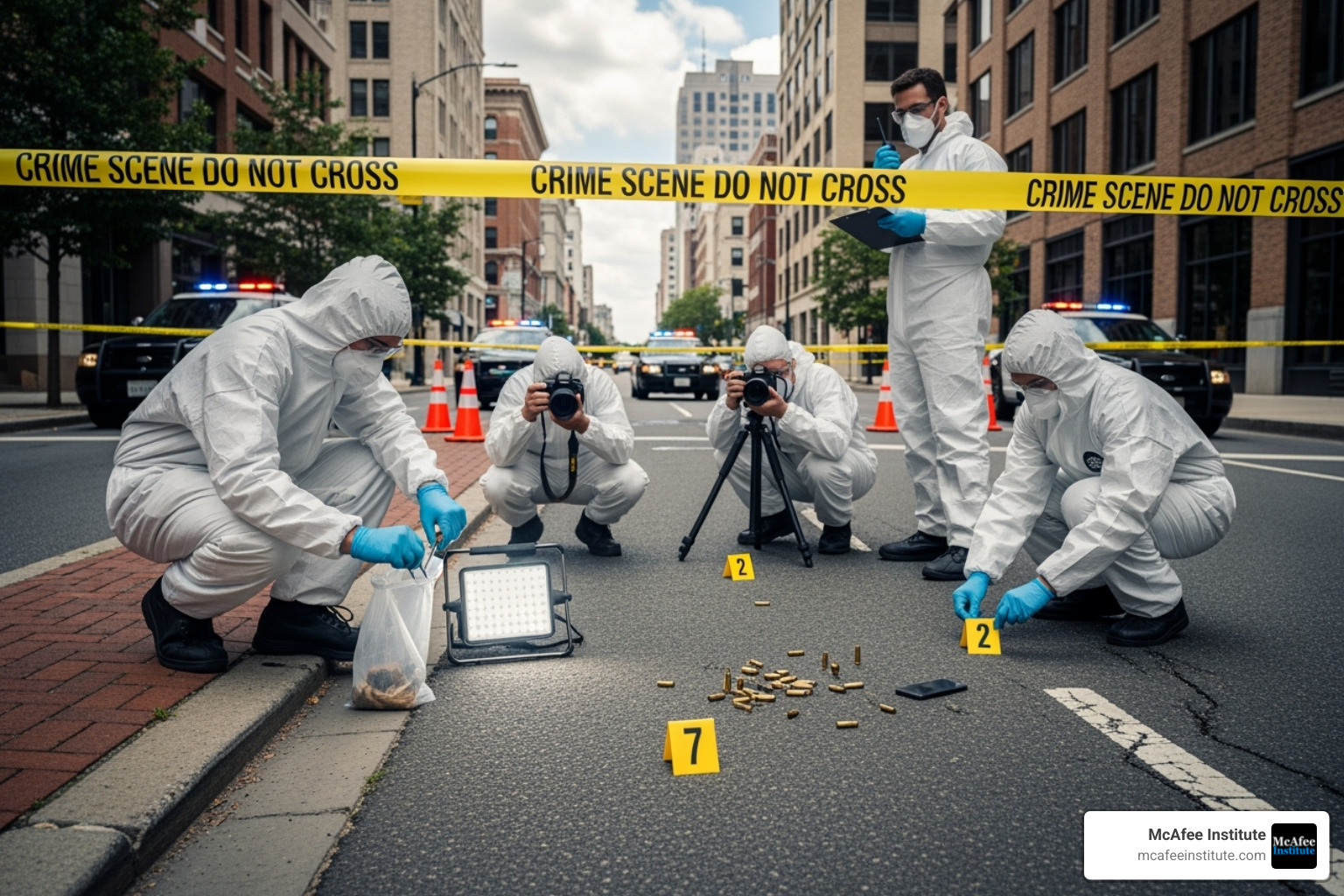
When you look at crime rates in Raleigh, NC, the numbers rarely tell the whole story. Headlines often rely on raw totals or broad regional rankings that make a fast-growing city sound more dangerous than it feels on the ground. Understanding the reality requires looking past high-level percentages and examining how violent and property offenses actually break down across different neighborhoods.
Raleigh consistently ranks as one of the safer large municipalities in the American Southeast, yet it still deals with property crimes like larceny and motor vehicle theft. By looking closely at official data from the Raleigh Police Department and local trend reports, you can get an accurate picture of local safety without relying on generalized panic or blind optimism.
Violent Crime vs. Property Crime: The Core Breakdown
To understand local safety, you have to separate violent offenses from property offenses. Violent crimes—such as homicide, robbery, and aggravated assault—tend to generate the most media attention, but they account for a small fraction of total incidents in the city.
Property offenses, including burglaries, larcenies, and motor vehicle thefts, make up the vast majority of all reported criminal activity. For instance, recent quarterly data from the Raleigh Police Department shows that larceny and thefts from motor vehicles represent thousands of reported incidents annually, while violent offenses occur at significantly lower volumes.
- Violent Crime Realities: Most violent incidents in Raleigh do not occur as random acts against strangers. Law enforcement reports frequently indicate that a substantial share of aggravated assaults and shootings involve individuals who know one another or stem from domestic disputes.
- Property Crime Realities: Property offenses are largely crimes of opportunity. Unlocked car doors, unsecured residential windows, and unattended valuables in commercial parking lots drive up the annual totals for larceny and theft.
Neighborhood Variations Across the City
A city-wide crime rate is an average, and averages can be deeply misleading. Raleigh spans roughly 140 square miles across six distinct police districts, from the densely populated downtown core to sprawling residential suburbs in North and Northwest Raleigh.
Crime density concentrates heavily in commercial corridors and entertainment districts, particularly downtown where foot traffic peaks. Residential neighborhoods further away from the city center typically experience much lower rates of both violent and property crime. If you're comparing suburbs like North Raleigh to areas near central transit hubs, you're looking at entirely different statistical environments.
Examining the Trends Over Time
Crime tracking isn't static. Year-over-year figures fluctuate based on economic shifts, population growth, and policing strategies. While rapid population growth naturally expands the total volume of reported offenses, per-capita rates often stabilize or decline.
According to figures tracked by the North Carolina Department of Public Safety, crime trends across the state mirror broader national downward trajectories for specific violent offenses, even as property crimes fluctuate seasonally. Local initiatives, such as the Raleigh Police Department's regular community safety campaigns and seasonal action plans, focus heavily on curbing motor vehicle thefts and commercial burglaries through proactive community engagement.
Practical Steps for Personal and Property Safety
Knowing the numbers is only half the battle. Because property crime—specifically larceny from vehicles—remains the most common issue residents face, practical prevention goes a long way.
- Lock Your Vehicle Every Night: The Raleigh Police Department actively promotes the "9 PM Routine," reminding residents to remove valuables and lock car doors every single evening to deter opportunistic thieves.
- Secure Home Entry Points: Ensure all exterior doors and ground-floor windows have working deadbolts and locks. Homes without basic physical security measures remain statistically more vulnerable to opportunistic break-ins.
- Use Public Crime Mappers: Before moving to a new neighborhood or renting an apartment, check the Raleigh Crime Mapping Tool to review actual reported incidents in that specific block over the last six months.
- Stay Aware in Commercial Zones: Most petty thefts and pickpocketing incidents happen in busy retail parking lots. Keep shopping bags out of plain sight in your trunk rather than on the passenger seat.
Frequently Asked Questions
Is Raleigh, NC considered a safe city overall?
Yes. Compared to other U.S. cities of similar size and population, Raleigh generally maintains lower violent crime rates, though its property crime metrics—driven largely by larceny—require standard urban awareness.
Where does Raleigh get its official crime data?
The Raleigh Police Department compiles local data monthly and quarterly, submitting standardized metrics to the FBI’s Uniform Crime Reporting (UCR) program to ensure transparent tracking.
Which type of crime is most common in Raleigh?
Larceny and theft-related offenses make up the vast majority of reported crime in the city, frequently involving thefts from unlocked motor vehicles or retail spaces.
Do crime rates spike in specific seasons?
Local law enforcement data often shows minor seasonal increases in property crime during summer months when more people are outdoors, which prompts the Raleigh Police Department to deploy targeted seasonal action plans.



