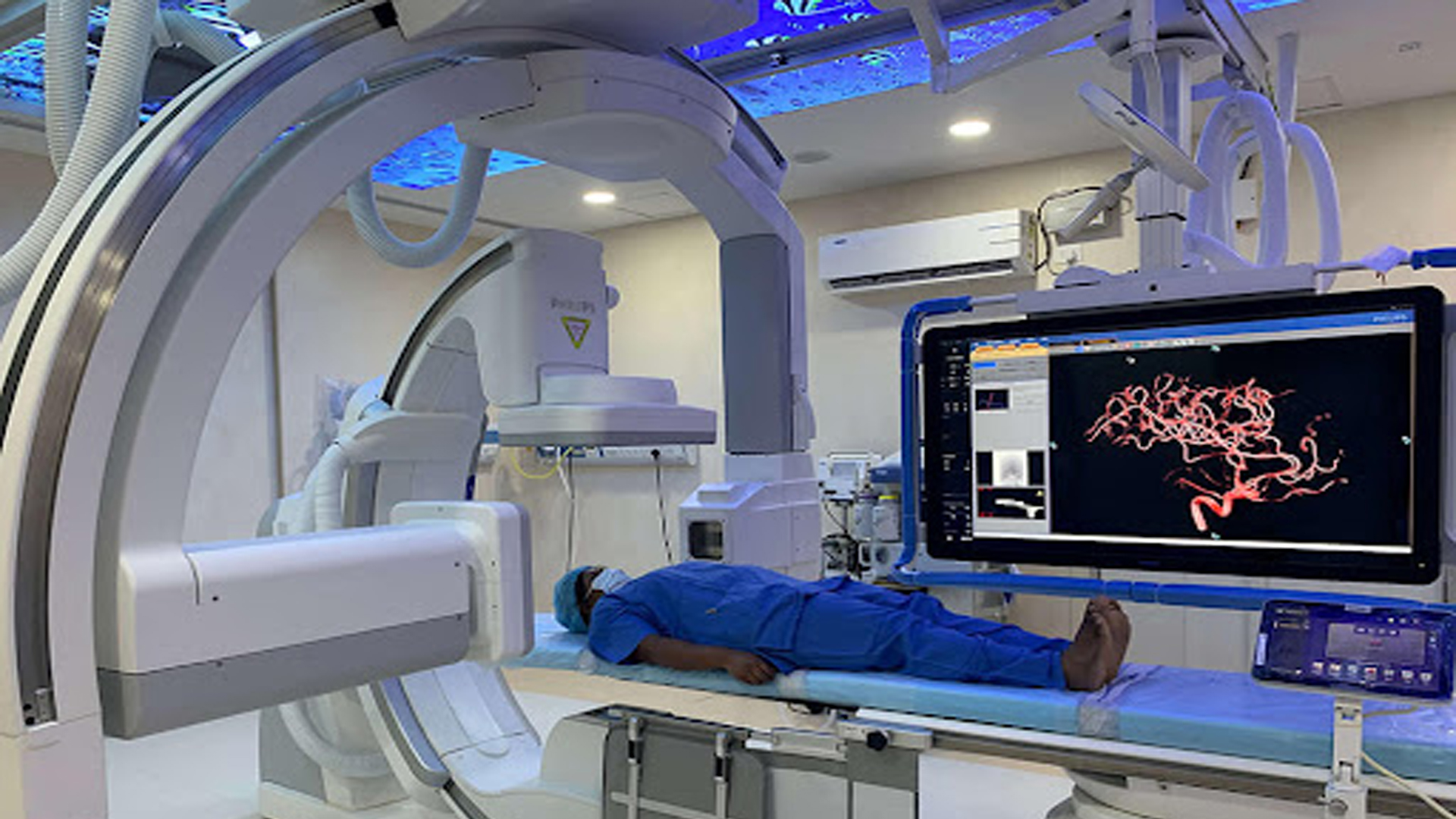
A radiology technical assistant works behind the scenes in hospital departments and outpatient clinics to keep medical imaging operations running smoothly. While radiologic technologists operate X-ray, CT, or MRI machines, technical assistants handle patient preparation, equipment maintenance, and workflow coordination. This support role bridges patient care and technical operations, ensuring that radiologists receive clean data and high-quality scans without administrative bottlenecks.
Stepping into this career requires understanding daily clinical workflows, departmental hygiene standards, and patient communication protocols. Whether you're evaluating career paths in healthcare or updating clinic protocols, knowing what a radiology technical assistant actually does clarifies how modern diagnostic teams function.
Core Responsibilities in the Imaging Department
Daily duties span patient management, technical prep, and administrative tasks. Assistants rarely capture primary diagnostic images independently, but their work directly dictates whether an imaging session succeeds or fails.
- Patient Preparation: Greeting patients, verifying identification, explaining scan procedures, and ensuring patients remove metal objects or wear proper hospital gowns.
- Workflow and Scheduling: Managing appointment queues, inputting patient demographics into electronic health record systems, and tracking scan orders from referring physicians.
- Equipment and Room Maintenance: Sanitizing imaging tables between patients, restocking sterile supplies, and performing basic equipment quality control checks.
- Transport and Positioning: Safely moving patients via wheelchairs or stretchers and assisting technologists with physical positioning on imaging tables.
Required Skills and Qualifications
Hospitals and private imaging clinics look for a specific mix of hard and soft skills during the hiring process. Because assistants interact with vulnerable patients and expensive hardware, competency standards are strict.
+-------------------------------------------------------------+
|               Key Competency Areas for Assistants           |
+-------------------------------------------------------------+
| 1. Medical Terminology: Grasping basic anatomical language  |
| 2. Interpersonal Care: Calming anxious or claustrophobic patients |
| 3. Infection Control: Adhering to strict clinical hygiene   |
| 4. Technical Aptitude: Navigating RIS and PACS software     |
+-------------------------------------------------------------+
Most employers require a high school diploma alongside a certification like Basic Life Support (BLS). Prior healthcare experience—such as working as a certified nursing assistant (CNA) or medical receptionist—often speeds up onboarding. Furthermore, proficiency with Picture Archiving and Communication Systems (PACS) is increasingly mandatory as clinics transition to paperless digital archives.
Common Mistakes to Avoid in Diagnostic Support
New assistants often make operational errors that slow down the diagnostic timeline or compromise patient comfort. Recognizing these missteps prevents friction on the floor.
- Neglecting Safety Protocols: Failing to double-check patient pregnancy status or metal implants before entering a high-field MRI suite creates severe safety hazards.
- Poor Communication Hand-offs: Inadequately briefing the radiologic technologist on mobility restrictions or pain points expressed by the patient.
- Delayed Charting: Entering patient history or outside film data into the system after the patient leaves, which causes backlogs in the reading room.
- Inadequate Sanitization: Skipping deep cleaning steps on specialized positioning aids or surface coils between high-risk appointments.
For deeper regulatory context on medical imaging safety standards, consult the American Registry of Radiologic Technologists guidelines or review public health frameworks provided by the Government of Canada Health Directorate.
Frequently Asked Questions
What is the difference between a radiologic technologist and a technical assistant?
A technologist completes an accredited educational program and holds licensure to operate heavy imaging machinery and capture diagnostic scans. A technical assistant focuses on patient support, room preparation, transport, and clerical coordination to keep the department moving.
Do I need a college degree to become a radiology technical assistant?
While some hospital networks prefer candidates with an associate degree in a health science field, many positions accept high school diplomas combined with relevant healthcare certifications like BLS or CNA. On-the-job training is common for entry-level tasks.
What software do assistants use daily?
Assistants frequently interact with Radiology Information Systems (RIS) to manage schedules and Electronic Health Records (EHR) to review physician orders and patient histories.
How does this role affect diagnostic speed?
By handling paperwork, patient transport, and room sanitation ahead of time, technical assistants allow technologists to focus entirely on image acquisition, cutting down turnaround times for emergency and outpatient scans.



