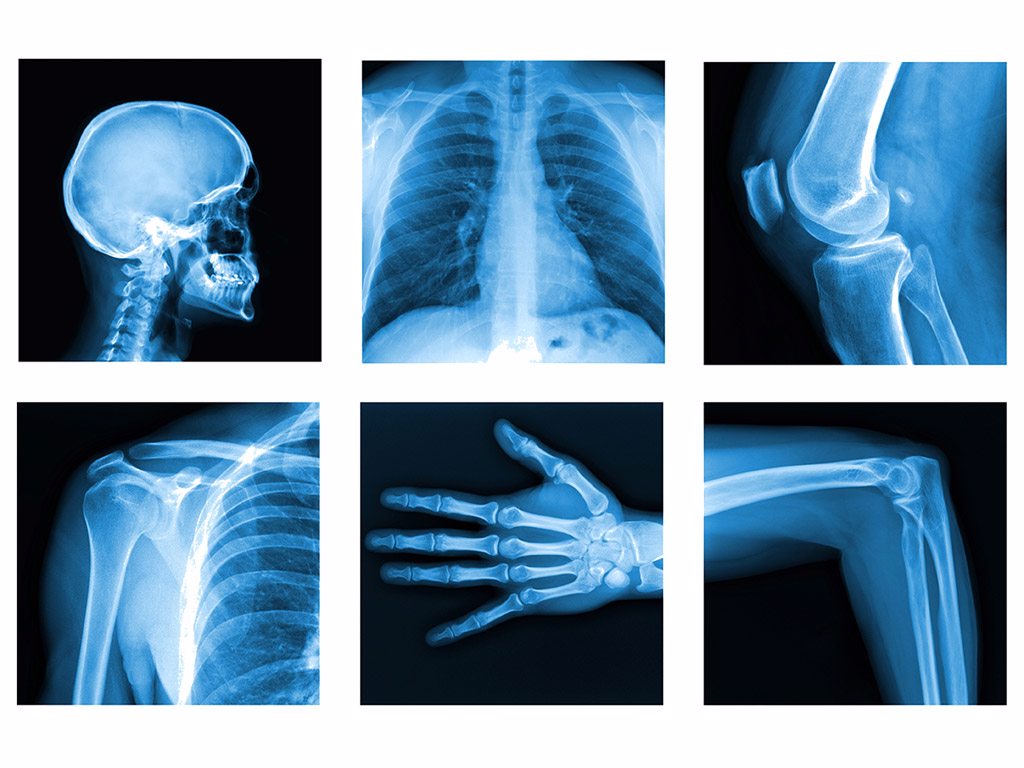
Entering the medical imaging field requires understanding what financial return to expect from your education and training. According to the U.S. Bureau of Labor Statistics, the median annual wage for radiologic technologists and technicians is $80,110, or roughly $38.52 per hour. Entry-level positions typically start near the 10th percentile at $55,980, while experienced technologists and those in specialized modalities routinely clear the 90th percentile at $118,660 or more.
Compensation varies significantly depending on your geographic market, work environment, shift structure, and specific certifications. This guide breaks down what radiology professionals actually take home, which variables move the needle, and how to maximize your earning potential in the current market.
The Baseline: National Salary Distribution
National medians offer a starting point, but the earnings distribution spans a wide bracket based on experience and capability. The overall spread illustrates how career progression changes your financial standing:
- 10th Percentile (Entry Level): $55,980 per year ($26.91/hr), representing new graduates fresh out of an accredited program.
- 25th Percentile: $64,810 per year ($31.16/hr).
- Median (50th Percentile): $80,110 per year ($38.52/hr), representing the midpoint across all practicing staff technologists.
- 75th Percentile: $98,750 per year ($47.48/hr).
- 90th Percentile (Top Earners): $118,660 per year ($57.05/hr), usually achieved by senior staff, lead technologists, or those with advanced post-primary credentials.
Core Factors That Influence Radiology Pay
1. Modality Specialization
General radiography forms the foundation of the profession, but branching into advanced imaging creates an immediate pay bump. While a general X-ray tech earns the baseline median, adding post-primary certifications changes your market value. For instance, MRI technologists earn a national median of approximately $95,480, yielding a roughly $15,000 annual premium over general radiography. CT, Mammography, and Interventional Radiology certifications similarly elevate your earning ceiling.
2. Geographic Location
Geography remains one of the most powerful drivers of healthcare compensation. Cost of living, state-level licensing requirements, and local healthcare demand dictate regional pay scales. Western states and major metropolitan centers consistently report the highest averages. California leads the nation with a median annual wage exceeding $121,000, followed by states like Massachusetts, Washington, Oregon, and New York. Conversely, rural or Southern states often feature lower nominal wages, though local cost of living adjustments can balance the difference.
3. Work Setting and Employer Type
Where you practice alters your base pay and benefits structure. Hospitals employ the vast majority of radiologic technologists and offer structural perks like shift differentials for nights, weekends, and on-call rotations. Outpatient care centers and diagnostic imaging laboratories frequently offer competitive base rates and predictable daytime schedules, while physician offices tend to sit on the lower end of the compensation scale due to narrower diagnostic scopes and lighter patient volumes.
4. Shift Differentials and On-Call Pay
Hospitals operate around the clock, creating lucrative opportunities for tech staff willing to work unconventional hours. Evening shifts, night shifts, and weekend rotations usually carry hourly add-ons known as shift differentials. Furthermore, taking call for emergency or surgical imaging generates extra hourly pay just for being available, plus premium call-back rates when you are called into the facility.
Travel Radiology: A High-Income Alternative
For technologists with at least one to two years of permanent staff experience, travel assignments offer a distinct financial path. Travel radiology techs fill urgent staffing gaps at hospitals nationwide for fixed-term contracts, typically lasting 13 weeks.
Travel compensation packages bundle hourly wages with tax-free stipends for housing and meals, often lifting annual earnings well above permanent staff averages. However, this route requires flexibility, frequent relocation, and the ability to adapt to new hospital equipment and electronic health record systems with minimal onboarding.
Common Mistakes That Limit Earnings
- Staying stagnant with a single credential: Relying solely on a general radiography license limits your internal promotion opportunities and caps your hourly rate.
- Ignoring local market shifts: Failing to evaluate competitor health systems in your area can leave you anchored to an outdated pay scale that doesn't reflect current healthcare inflation.
- Disregarding on-call opportunities: Avoiding unpleasant shifts entirely can cut off hundreds or thousands of dollars in monthly differential pay.
- Failing to negotiate: Many employers maintain flexible hiring bands for certified specialists, yet candidates often accept the initial offer without discussion.
Frequently Asked Questions
How much do entry-level radiology techs make?
New graduates entering the field usually start around the 10th to 25th percentile, translating to roughly $55,980 to $64,810 per year, depending on the region and the employing health system.
Does an MRI certification require a separate degree?
Not necessarily. Most technologists enter through an accredited associate or bachelor's degree program in radiography, earn their primary American Registry of Radiologic Technologists (ARRT) credential, and then complete structured clinical hours and a post-primary exam in MRI or CT.
Are hospital jobs better paid than private clinics?
Hospitals generally offer higher total compensation packages when factoring in shift differentials, overtime, and robust benefits, whereas private outpatient clinics often trade slightly lower base pay for more predictable daytime working hours.
How fast is the radiology tech job field growing?
The Bureau of Labor Statistics projects employment for radiologic technologists and technicians to grow by about 5% through 2035, outpacing the average growth rate for all U.S. occupations as an aging population drives demand for diagnostic imaging.



