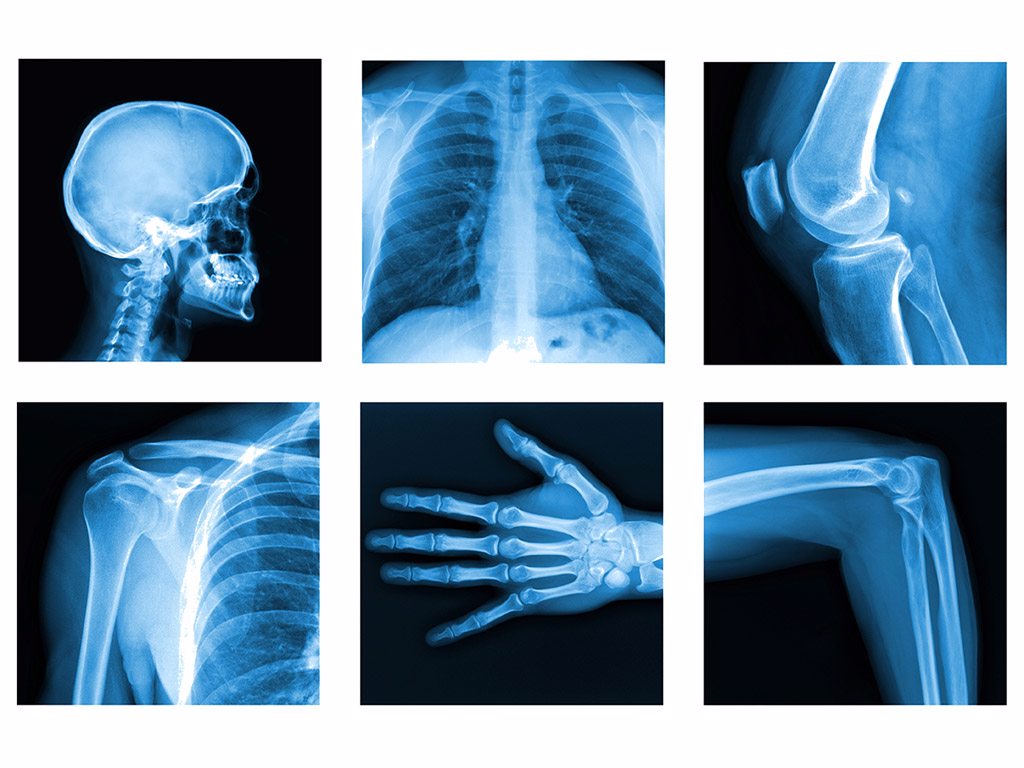
Navigating a career in diagnostic imaging across North Carolina requires a clear understanding of current pay scales, regional variations, and certification pay bumps. If you're weighing job offers in Charlotte or looking at rural hospital clinics, knowing what a radiology tech salary NC package actually includes helps you negotiate better pay from day one.
Earnings vary widely depending on whether you work in a major academic medical center or an outpatient clinic. Let's break down the exact numbers, certifications, and shift differentials shaping medical imaging pay across the state.
Current Salary Benchmarks Across North Carolina
Radiology technicians in North Carolina earn median annual wages hovering around $64,000, aligning closely with broader regional averages in the Southeast. Yet, a state-level median hides significant local divergence. Major healthcare hubs like the Research Triangle and Charlotte offer higher base rates to offset steeper local housing costs.
Entry-level practitioners typically start between $48,000 and $54,000 per year. With five to ten years of hands-on clinical experience, compensation shifts into the $62,000 to $68,000 range. Senior technologists handling complex protocols or supervisory duties frequently surpass $75,000 annually.
- Entry-Level (0-2 years): $48,000 - $54,000
- Mid-Career (3-7 years): $55,000 - $66,000
- Senior Tech (8+ years): $68,000 - $78,000+
- Lead / Supervisor: $80,000 - $92,000+
Regional Wage Differences
Geography remains one of the strongest drivers of pay disparities within North Carolina. Urban centers boast dense networks of hospital systems that compete aggressively for talent.
Charlotte and the Piedmont Triad
The Charlotte metro area and the Piedmont Triad (Greensboro, Winston-Salem, High Point) feature the highest baseline salaries in the state. Major health networks like Atrium Health and Novant Health maintain competitive pay structures. Technicians here often see starting offers a few thousand dollars higher than the state median.
The Research Triangle
Raleigh, Durham, and Chapel Hill host massive academic medical centers, including Duke Health and UNC Health. While base salaries are competitive, these institutions attract professionals through robust benefits, tuition assistance, and specialized research imaging roles.
Rural and Coastal Markets
Eastern and western non-metropolitan counties report lower average base wages, often ranging from $52,000 to $58,000. However, facilities in these regions frequently utilize sign-on bonuses, retention incentives, or loan forgiveness to attract qualified staff. Coastal areas like Wilmington balance seasonal population surges with specialized local recruitment incentives.
Impact of Certifications and Subspecialties
Holding a baseline credential from the American Registry of Radiologic Technologists gets you in the door, but stacking advanced subspecialties unlocks higher pay scales. Hospitals pay premiums for cross-trained staff who can staff multiple modalities without scheduling bottlenecks.
- Computed Tomography (CT): Adds roughly 8% to 12% over general radiography base pay.
- Magnetic Resonance Imaging (MRI): Commands hourly bumps that translate to an extra $5,000 to $8,000 yearly.
- Mammography: Maintains steady demand due to mandatory screening guidelines, offering reliable certification stipends.
- Radiation Therapy: Represents the top tier of imaging compensation, with experienced therapists frequently clearing $85,000+.
Total Compensation Beyond Base Pay
Base salary tells only part of the story. Total compensation packages in North Carolina healthcare systems often include valuable fringe benefits and monetary add-ons.
- Shift Differentials: Evening, night, and weekend shifts typically carry a 5% to 15% hourly premium.
- On-Call Pay: Taking call shifts for trauma or emergency imaging provides steady extra income, paid at standby rates plus call-back hourly minimums.
- Continuing Education Support: Many employers cover annual ARRT renewal fees and provide stipends for professional conferences.
Common Career Mistakes to Avoid
Many imaging professionals leave money on the table by accepting initial offers without evaluating the total package.
- Ignoring Shift Math: Failing to factor in weekend or evening shift differentials can distort your true take-home pay comparison between two offers.
- Stagnating on X-Ray: Relying solely on a general radiography credential limits your upward mobility. Cross-training in CT or MRI shifts you into a higher pay bracket quickly.
- Overlooking Benefit Valuations: A slightly lower base salary at a major hospital system with low-deductible health insurance and a strong 401(k) match often beats a higher independent clinic wage with poor benefits.
Frequently Asked Questions
What is the starting salary for a radiology tech in North Carolina?
Starting pay typically ranges between $48,000 and $54,000 annually for new graduates, depending on the specific facility type and geographic location.
Do hospitals pay more than outpatient imaging centers?
Generally, yes. Large hospital systems and academic medical centers offer higher base wages and stronger benefits packages than small private physician offices, though outpatient centers may offer more predictable daytime schedules.
How much does an MRI certification increase earnings?
Earning an MRI credential through ARRT typically adds an extra $5,000 to $8,000 per year to your base earnings compared to general X-ray roles.
Are sign-on bonuses common in North Carolina?
Sign-on bonuses and relocation stipends are common in rural hospitals, coastal communities, and high-demand night shift positions where recruitment is competitive.



