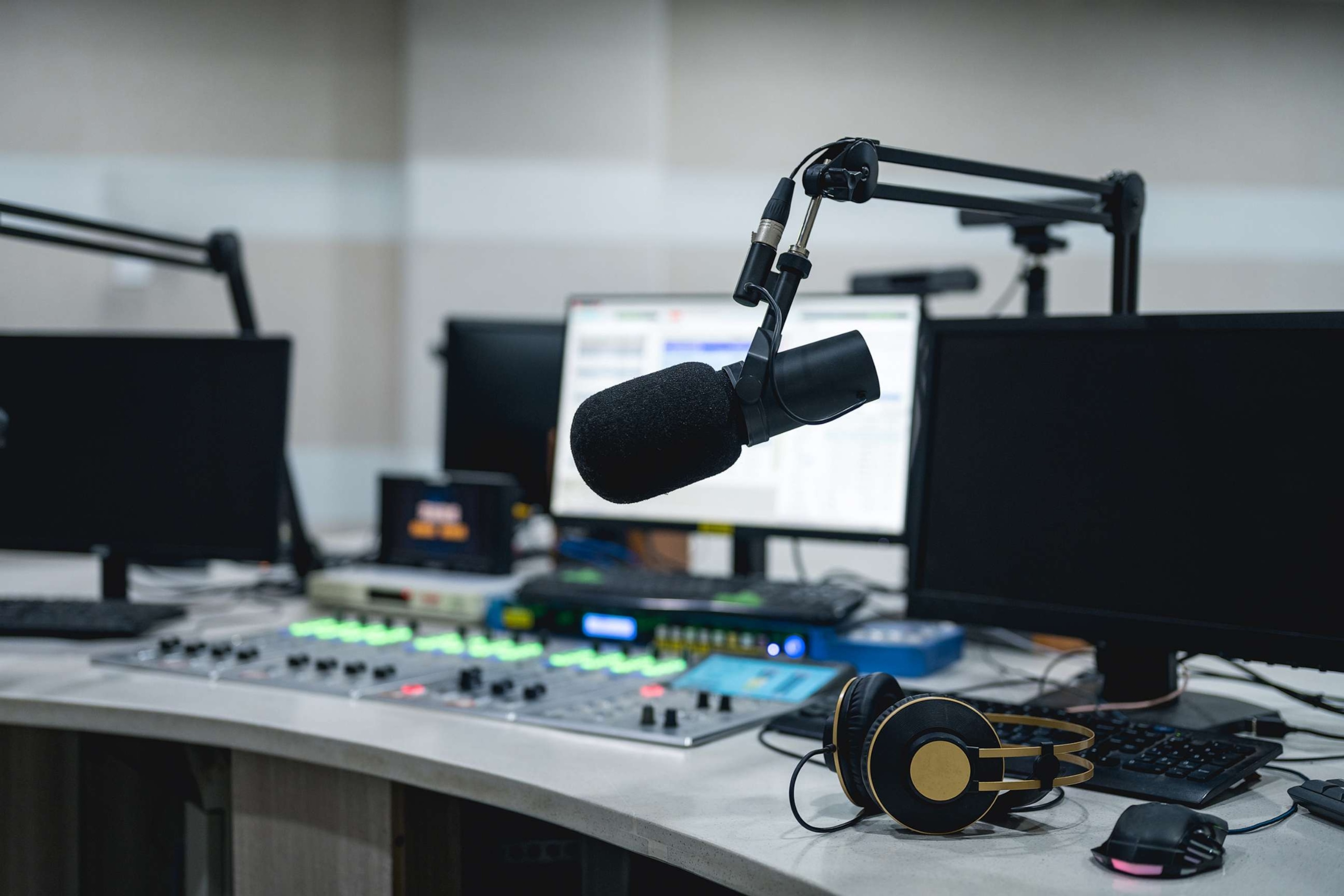
When you check the Radio 4 Extra schedule, you're looking at more than a simple lineup of repeat broadcasts. It's a living archive that rescues decades of comedy, drama, and social history from obscurity, transforming transient radio waves into a permanent cultural asset.
Understanding how this schedule works requires looking past the surface of daily listings. It's an editorial framework designed to balance historical preservation with modern listening habits, shaping how audiences interact with the BBC's vast audio heritage.
The Editorial Logic Behind the Schedule
Building a linear schedule from a multi-decade archive isn't about throwing old tapes onto a playlist. Producers face the challenge of contextualizing material recorded fifty years ago for an audience living in the present.
The process relies on deliberate choices regarding longevity and resonance. A programme earns its spot on the schedule only if it possesses enough narrative or comedic strength to stand alone without its original historical context.
- Thematic Clustering: Programmers group shows by genre or subject to create predictable listening rhythms. Mornings might feature classic detective fiction, while afternoons focus on vintage panel shows.
- Tonal Sequencing: Heavy documentaries are routinely followed by light comedies. This pacing prevents listening fatigue and keeps the daily flow engaging.
- Episodic Rhythm: Long-running serialized dramas are paced across weeks to rebuild the communal, appointment-to-view habits of traditional radio.
As the BBC manages its vast holdings, the schedule acts as a curated gateway. It saves listeners from decision paralysis by offering a curated path through thousands of hours of audio.
The Mechanics of Audio Restoration and Preservation
Before an old recording hits the broadcast schedule, it goes through a strict technical pipeline. Much of the source material sits on deteriorating magnetic tape or early digital formats that require careful handling.
- Source Recovery: Archivists track down the original master reels from physical storage vaults.
- Audio Remastering: Engineers clean up hiss, clicks, and distortion using modern restoration tools while preserving the distinct acoustic signature of the original recording era.
- Metadata Tagging: Every file gets tagged with detailed metadata covering speakers, locations, and themes to power internal databases and search features.
- Editorial Review: Producers check older content for outdated framing or references, ensuring the piece holds up as a standalone work of art or historical document.
This technical diligence ensures that vintage broadcasts meet modern acoustic standards without losing their historical authenticity.
Linear Broadcasting Meets Digital On-Demand
The true power of the schedule unlocks when it meets modern digital platforms like BBC Sounds. While the linear broadcast provides a steady backbone, digital catch-up services transform the schedule into an open-ended index.
Listeners aren't just passive consumers anymore. They move between a scheduled broadcast and an extensive on-demand library, building personal listening histories. A single historical comedy broadcast can trigger a deeper dive into an actor's entire recorded career spanning forty years.
This hybrid model solves a major modern media problem: how to make massive archives discoverable without overwhelming the audience. The schedule serves as the hook, and the app serves as the library.
Common Pitfalls in Archive Curation
Managing a heritage channel comes with distinct editorial traps. Producers have to navigate several recurring challenges to keep the output fresh:
- Over-reliance on Nostalgia: Leaning too heavily on a select few iconic sitcoms risks turning the station into a static museum rather than a dynamic cultural archive.
- Context Blindness: Airing older material without proper contextual framing can alienate modern listeners who lack background on past social norms.
- Scheduling Monotony: Failing to vary the daily block structures leads to predictable listener drop-off during off-peak hours.
Avoiding these traps requires a constant re-evaluation of what makes archival material truly engaging to contemporary ears.
Frequently Asked Questions
How far back do the recordings in the schedule go?
The archive includes material dating back to the early days of BBC broadcasting in the mid-20th century, alongside more recent contemporary classics from the past twenty years.
Are all Radio 4 Extra programmes available on-demand?
Most programmes are made available on BBC Sounds for a limited window after broadcast, governed by specific rights agreements and copyright clearance limits.
How do producers decide which shows get repeated?
Selection is driven by audience demand, anniversary milestones, cultural relevance, and how well a specific recording holds up against modern broadcast standards.
Is the schedule identical across all regions?
The UK broadcast schedule is generally uniform, though digital catch-up availability can occasionally vary due to international rights restrictions on specific voice actors and writers.